مقدمة
تمثل الأطعمة المجمدة واحدة من أهم قطاعات صناعة الأغذية العالمية، حيث تقدم للمستهلكين الراحة، وتوافراً موسماً للمنتجات، وتقليلاً لهدر الطعام. من الخضروات والفواكه المجمدة إلى الوجبات الجاهزة، واللحوم، والدواجن، والمأكولات البحرية، ومنتجات المخابز، تشمل فئة الأطعمة المجمدة مجموعة استثنائية من المنتجات ذات متطلبات حفظ متنوعة. وعلى الرغم من التأثيرات الوقائية لدرجات الحرارة المنخفضة، تواجه الأطعمة المجمدة تحديات جودة كبيرة يمكن أن تعرض القوام والنكهة والمظهر والقيمة الغذائية للخطر أثناء التخزين والتوزيع.
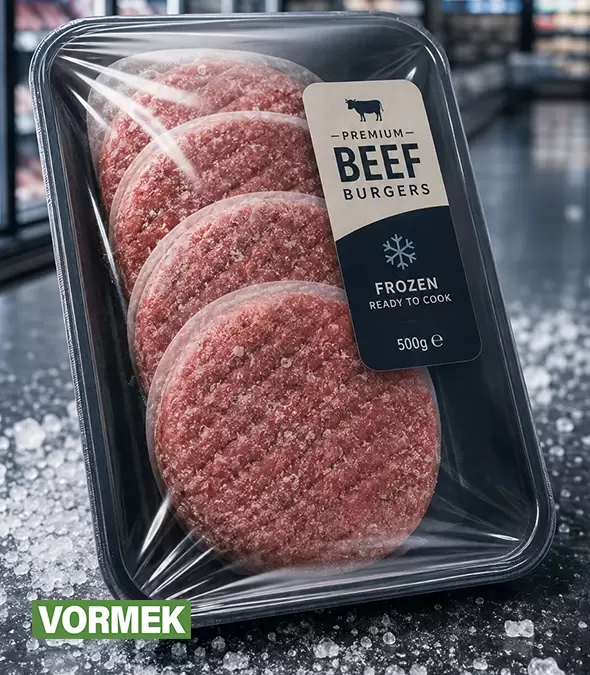
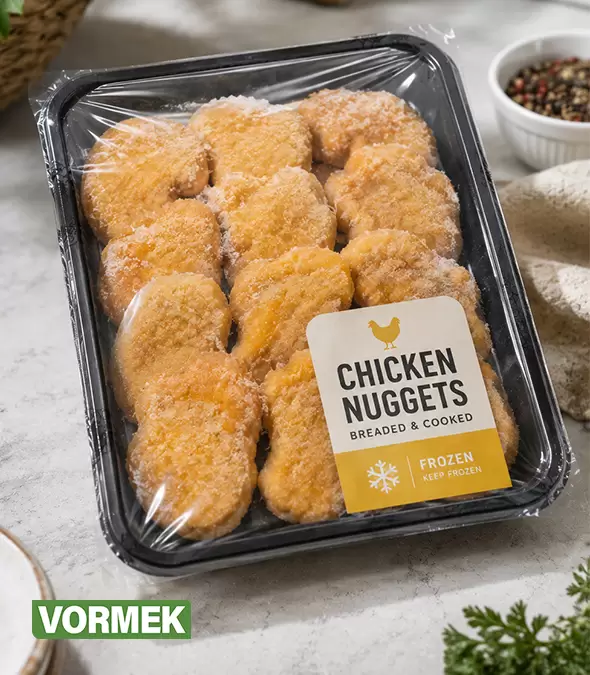
تشمل آليات التلف الأساسية التي تؤثر على الأطعمة المجمدة حرق التجميد، وأكسدة الدهون، وهجرة الرطوبة، ونمو بلورات الثلج، وتدهور القوام. يعتبر حرق التجميد – الجفاف والأكسدة التي تحدث عندما تتسامى الرطوبة من سطح المنتج – أحد أكثر علامات فقدان الجودة وضوحاً في الأطعمة المجمدة. تعتبر أكسدة الدهون، التي تشكل مشكلة خاصة للأسماك الدهنية واللحوم والدواجن، سبباً رئيسياً للنتانة والنكهات الكريهة حتى في درجات حرارة التجميد. يمكن أن يؤدي تشكل بلورات ثلجية كبيرة أثناء التجميد والتخزين إلى تمزق الهياكل الخلوية، مما يؤدي إلى فقدان السوائل وتدهور القوام عند الذوبان.
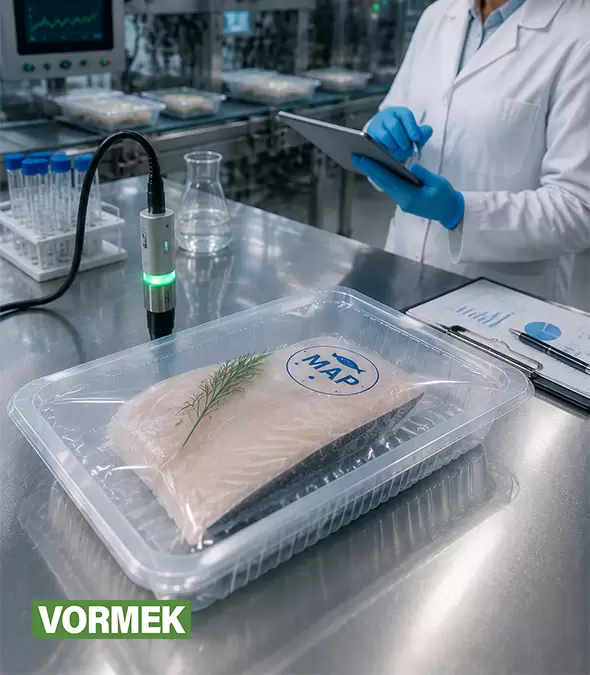
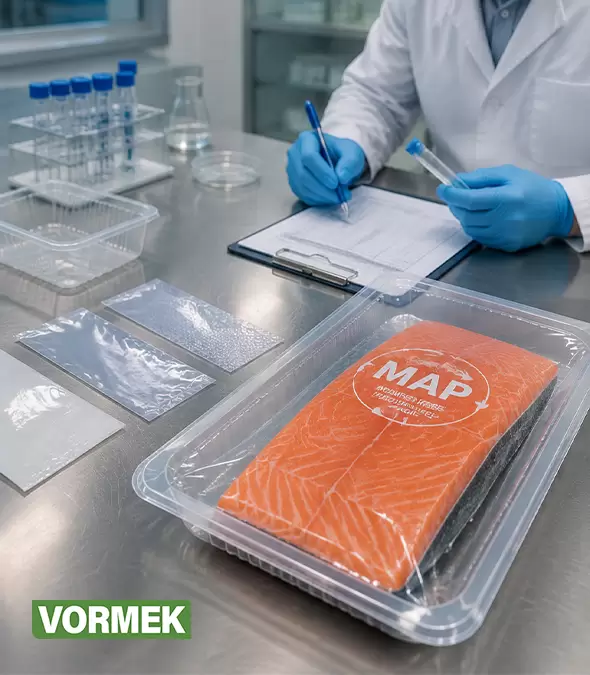
برز التغليف بالغازات المعدلة (MAP) والتغليف بالتفريغ كتقنيات حاسمة لمواجهة هذه التحديات. أظهرت الأبحاث أن الجمع بين التجميد الجزئي و MAP يمكن أن يطيل العمر الافتراضي بشكل كبير مع الحفاظ على جودة المنتج. أظهر الجمع بين التجميد الجزئي ومخاليط الغاز المناسبة نتائج متفوقة في الحفاظ على نضارة المنتج ولونه وقوامه مقارنة بطرق التخزين المجمد التقليدية.
تتناول تقنيتان رئيسيتان للتغليف تحديات حفظ الأطعمة المجمدة: التغليف بالتفريغ والتغليف بالغازات المعدلة (MAP). تعمل كلتاهما عن طريق تعديل البيئة الغازية حول المنتج، لكنهما تحققان ذلك من خلال آليات مختلفة جوهرياً. يزيل التغليف بالتفريغ الهواء تماماً، بينما يستبدل MAP الهواء بمزيج غاز محكوم يتم اختياره خصيصاً لإبطاء الأكسدة، وتثبيط النمو الميكروبي، ومنع تدهور الجودة.
بالنسبة لمصنعي الأطعمة المجمدة الذين يسعون لتحسين عمليات التغليف الخاصة بهم، فإن فهم الفروق التقنية بين هذه الطرق، وتطبيقاتها المحددة، والمتطلبات الهندسية للتنفيذ الناجح أمر ضروري. يقدم هذا الدليل فحصاً شاملاً من منظور هندسي صناعي، بالاعتماد على الخبرة العملية في التصنيع لمساعدتك على اتخاذ قرارات مستنيرة لخط الإنتاج الخاص بك.
هل أنت مستعد لتقييم أي تقنية تغليف تحقق أفضل النتائج لمنتجاتك المجمدة المحددة؟ يتخصص مهندسو التغليف في Vormek في تحليل خصائص المنتج ومتطلبات الإنتاج للتوصية بحلول التفريغ أو MAP المثلى للتطبيقات المجمدة. يقدم فريقنا تقييمات فنية مجانية تفحص خط التغليف الحالي الخاص بك، وتحدد فرص التحسين، وتقترح تكوينات معدات مصممة خصيصاً لأهداف الجودة الخاصة بك. اتصل بفريقنا الهندسي اليوم لتحديد موعد لتقييم خط التغليف الخاص بك واكتشف كيف يمكن للمعدات الهندسية الدقيقة أن تحول أداء العمر الافتراضي لديك.
الفصل الأول: فهم آليات التلف في الأطعمة المجمدة
قبل فحص حلول التغليف، من الضروري فهم آليات التدهور المحددة التي تؤثر على الأطعمة المجمدة. تحدد هذه الآليات نهج التغليف الذي سيكون أكثر فعالية لفئة منتج معينة.
حرق التجميد: العدو المرئي
يعد حرق التجميد أحد أكثر مشاكل الجودة شيوعاً في الأطعمة المجمدة ويحدث عندما تتسامى الرطوبة من سطح المنتج، تاركة مناطق مجففة ومتغيرة اللون وغالباً ما تكون صلبة. تنتج العملية عن تقلبات درجات الحرارة أثناء التخزين والتوزيع، والتي تتسبب في تسامي بلورات الثلج ثم إعادة تبلورها على سطح المنتج أو الجزء الداخلي من العبوة.
تشمل العوامل الأساسية المساهمة في حرق التجميد ما يلي:
– حاجز رطوبة غير كافٍ في مادة التغليف
– سلامة ختم رديئة تسمح بتسرب الرطوبة
– تقلبات في درجة الحرارة أثناء التخزين المجمد
– مساحة هوائية زائدة في العبوة
التغليف الذي يوفر حاجز رطوبة عالي وختم محكم أمر ضروري لمنع حرق التجميد. تحافظ خصائص الحاجز المناسبة على جودة المنتج عن طريق منع فقدان الرطوبة ودخول الأكسجين أثناء التخزين المجمد.
أكسدة الدهون والنتانة
أكسدة الدهون هي السبب الرئيسي للنتانة أثناء التخزين المجمد للحوم ومنتجات اللحوم، حيث تكون المنتجات القائمة على لحم الخنزير أكثر عرضة لتطور النتانة من أنواع أخرى من منتجات اللحوم. ينتج عن أكسدة الأحماض الدهنية غير المشبعة مركبات متطايرة مسؤولة عن النكهات والروائح الكريهة.
بالنسبة للأطعمة المجمدة التي تحتوي على محتوى دهني كبير، فإن استبعاد الأكسجين أمر بالغ الأهمية. يعتبر التغليف بالتفريغ، الذي يزيل الأكسجين بالكامل تقريباً، فعالاً بشكل خاص للمنتجات المجمدة عالية الدهون. يوفر MAP أيضاً حماية عن طريق تقليل مستويات الأكسجين في بيئة العبوة.
نمو بلورات الثلج وتدهور القوام
يمكن أن يتسبب تكوين بلورات الثلج أثناء التجميد ونموها اللاحق أثناء التخزين في تلف هيكلي كبير للأطعمة المجمدة. تمزق بلورات الثلج الكبيرة جدران الخلايا، مما يؤدي إلى فقدان السوائل عند الذوبان والإضرار بالقوام والملمس الفموي.
يتأثر حجم وموقع بلورات الثلج بما يلي:
– **معدل التجميد:** ينتج التجميد السريع بلورات ثلجية أصغر تسبب ضرراً خلويّاً أقل
– **استقرار درجة الحرارة:** تعزز التقلبات أثناء التخزين إعادة التبلور ونمو بلورات الثلج الموجودة
– **تركيبة المنتج:** يؤثر محتوى الماء، ومحتوى السكر، ووجود المواد المذابة على تكوين البلورات
لا يمكن للتغليف التحكم مباشرة في تكوين بلورات الثلج، لكن التغليف المناسب يحافظ على البيئة المجمدة من خلال توفير العزل ومنع هجرة الرطوبة التي يمكن أن تساهم في إعادة التبلور.
هجرة الرطوبة وفقدان السوائل
تساهم هجرة الرطوبة داخل المنتجات المجمدة ومن المنتج إلى بيئة العبوة في فقدان الجودة. عندما تغادر الرطوبة المنتج، يمكن أن تؤدي إلى تغيرات في القوام وفقدان الوزن. يمكن أن تؤدي الرطوبة المحتجزة أيضاً إلى تكوين بلورات ثلجية على سطح المنتج أو الجزء الداخلي من العبوة.
يقلل التغليف المناسب من فقدان الرطوبة عن طريق خلق بيئة محكمة تحتفظ برطوبة المنتج طوال فترة التخزين المجمد. هذا مهم بشكل خاص للمنتجات ذات المحتوى الرطوبي العالي حيث يؤثر فقدان السوائل عند الذوبان بشكل كبير على قبول المستهلك.
التدهور الحسي
تخضع الأطعمة المجمدة لتغيرات حسية تؤثر على قبول المستهلك. يمكن أن تحدث تغيرات في اللون، وتدهور النكهة، وتدهور القوام جميعها أثناء التخزين المجمد، حتى عندما يتم تثبيط النمو الميكروبي. يساعد التغليف الذي يوفر حواجز للأكسجين والرطوبة، بالإضافة إلى الحماية من الضوء عند الضرورة، في الحفاظ على الجودة الحسية طوال فترة التخزين المجمد.
الفصل الثاني: تقنية التغليف بالتفريغ للأطعمة المجمدة
أسس هندسة التغليف بالتفريغ
يعمل التغليف بالتفريغ عن طريق إزالة الهواء الجوي من العبوة قبل الختم، مما يخلق بيئة منخفضة الأكسجين حول المنتج. تتضمن العملية وضع المنتج في مادة تغليف، وإخلاء الهواء لإنشاء فراغ، ثم إغلاق العبوة بإحكام.
بالنسبة للأطعمة المجمدة، تشمل آليات الحفظ الأساسية ما يلي:
**استبعاد الأكسجين:** عن طريق إزالة الأكسجين، يثبط التغليف بالتفريغ بشكل فعال النتانة التأكسدية، وهو أمر مهم بشكل خاص للأسماك الدهنية ومنتجات اللحوم والدواجن. تساعد هذه العملية في الحفاظ على جودة ونكهة المنتج لفترات ممتدة.
**الاحتفاظ بالرطوبة:** تساعد البيئة المغلقة في الاحتفاظ بالرطوبة عند مستويات مثالية، مما يمنع حرق التجميد وفقدان الوزن.
**تقليل الحجم:** يقلل التغليف بالتفريغ من حجم العبوة، مما يمكن أن يحسن كثافة التخزين ويقلل من تكاليف النقل.
**التأثيرات المضادة للميكروبات:** يمنع إزالة الأكسجين نمو الكائنات الحية الدقيقة الهوائية التي يمكنها البقاء على قيد الحياة في التخزين المجمد.
تطبيقات التغليف بالتفريغ للأطعمة المجمدة
يستخدم التغليف بالتفريغ على نطاق واسع للحوم المجمدة ومنتجات الدواجن، حيث تكون أكسدة الدهون هي آلية التلف الأساسية. توفر الإزالة شبه الكاملة للأكسجين حماية فائقة ضد النتانة مقارنة بطرق التغليف الأخرى.
تنعكس تنوع التغليف بالتفريغ للأطعمة المجمدة في استخدامه الصناعي الواسع. يمكن لآلة تغليف بالتفريغ واحدة التعامل مع أنواع منتجات متعددة، مما يجعلها فعالة من حيث التكلفة لخطوط الإنتاج المتنوعة.
يكون التغليف بالتفريغ فعالاً بشكل خاص لـ:
– قطع اللحوم المجمدة والدواجن الكاملة
– الأسماك المجمدة ومنتجات المأكولات البحرية
– الوجبات الجاهزة المجمدة ذات المكونات الصلبة
– منتجات المخابز المجمدة التي يمكنها تحمل الضغط
قيود التغليف بالتفريغ للأطعمة المجمدة
بينما يعتبر التغليف بالتفريغ فعالاً للعديد من تطبيقات الأطعمة المجمدة، فإن له قيوداً مهمة:
**قوى الضغط:** يمكن للتغليف بالتفريغ أن يتلف المنتجات الحساسة مثل الخضروات والفواكه المجمدة والأطعمة الجاهزة الهشة. قد تتسبب قوى الضغط في السحق أو التشوه.
**المنتجات الحادة:** يمكن للعناصر ذات الحواف الحادة، مثل عظام الأسماك أو أصداف القشريات، أن تثقب فيلم التغليف. قد تكون هناك حاجة إلى تغليف جلدي متخصص أو أفلام عالية المقاومة للثقب.
**إزالة أكسجين غير كاملة:** بينما يزيل التغليف بالتفريغ غالبية الأكسجين، قد لا يزال الأكسجين المتبقي يسبب الأكسدة على مدى فترات تخزين ممتدة.
اعتبارات المعدات للتغليف بالتفريغ
آلات غرفة التفريغ
لعمليات الأطعمة المجمدة الأصغر حجماً، توفر آلات غرفة التفريغ مرونة وأداءً ثابتاً. تضع هذه الأنظمة العبوة بأكملها داخل غرفة محكمة، وتخلق الفراغ، ثم تغلق العبوة. إنها مناسبة للمنتجات التي تتطلب مناولة لطيفة ومتوفرة بأحجام مختلفة لاستيعاب أحجام الإنتاج المختلفة.
آلات التشكيل الحراري
تشكل أنظمة التغليف بالتفريغ بالتشكيل الحراري الشبكة السفلية في تجاويف، وتملأ بالمنتج، وتطبق فيلماً علوياً، ثم تخلق التفريغ وتغلق في ظل ظروف الفراغ. تقدم هذه الأنظمة سرعات إنتاج عالية مناسبة للتصنيع على نطاق واسع وعرض منتج ممتاز من خلال أشكال التجاويف المخصصة.
توفر مجموعة آلات التشكيل الحراري من Vormek حلولاً شاملة لمصنعي الأطعمة المجمدة الذين يحتاجون إلى تغليف بالتفريغ عالي السرعة مع تحكم دقيق في العملية. تتضمن هذه الأنظمة تكنولوجيا ختم متقدمة وميزات تصميم صحي ضرورية لبيئات تصنيع الأغذية.
التغليف الجلدي
يسحب التغليف الجلدي – وهو شكل متخصص من التغليف بالتفريغ – فيلماً ساخناً بإحكام فوق المنتج وركيزة مسامية، مما يخلق تأثير “الجلد الثاني”. يوفر هذا النهج عرضاً استثنائياً للمنتج مع الحفاظ على الفوائد الوقائية للتغليف بالتفريغ.
بالنسبة للمأكولات البحرية المجمدة ذات الأشكال غير المنتظمة والحواف الحادة، يقدم التغليف الجلدي جاذبية بصرية فائقة ونفايات تغليف أقل. يمنع التلامس المحكم للفيلم “إخراج العصارة” – هجرة السوائل داخل العبوة – وهو سبب رئيسي لتقليل العمر الافتراضي.
متطلبات مواد التغليف
**حاجز الرطوبة:** تتطلب الأطعمة المجمدة مواد تغليف ذات خصائص حاجز بخار ماء ممتازة لمنع حرق التجميد وفقدان الرطوبة. تقدم أفلام PE أحادية المادة مساراً عملياً لإعادة التدوير مع الحفاظ على أداء الحاجز اللازم.
**حاجز الأكسجين:** للتغليف بالتفريغ، توفر الأفلام عالية الحاجز التي تتضمن طبقات EVOH أو الألومنيوم حماية الأكسجين الأساسية للحفاظ على البيئة منخفضة الأكسجين. بالنسبة لمنتجات اللحوم المجمدة، حيث تكون أكسدة الدهون هي الشاغل الرئيسي، فإن حاجز الأكسجين الفعال أمر بالغ الأهمية.
**مقاومة الثقب:** تتطلب قوى الضغط الناتجة عن التغليف بالتفريغ والحواف الحادة لبعض المنتجات المجمدة أفلاماً ذات مقاومة جيدة للثقب. تحافظ الشبكات العلوية عالية الأداء على أختام محكمة حتى في حالات القطع السفلية الشديدة والبروزات العالية.
**أداء درجات الحرارة المنخفضة:** يجب أن تحافظ مواد التغليف على مرونتها وسلامة ختمها في درجات حرارة التجميد. تحافظ الهياكل ذات السماكة المناسبة على الليونة وأداء الختم في درجات حرارة التخزين المجمد النموذجية.
**سلامة الختم:** يجب أن يشكل الفيلم أختاماً محكمة تحافظ على سلامة الفراغ طوال التخزين المجمد. يمكن أن يعرض التلوث في منطقة الختم جودة الختم للخطر.
الفصل الثالث: التغليف بالغازات المعدلة (MAP) للأطعمة المجمدة
المبادئ التقنية لـ MAP
يتضمن التغليف بالغازات المعدلة (MAP) استبدال الهواء داخل العبوة بمزيج غاز محكوم يتم اختياره خصيصاً لإبطاء تدهور المنتج المعبأ. على عكس التغليف بالتفريغ، الذي يزيل الهواء دون إدخال غازات بديلة، يدير MAP بنشاط البيئة الغازية لتحقيق ظروف حفظ مثالية.
بالنسبة للأطعمة المجمدة، يقدم MAP فوائد محددة:
**تقليل الأكسجين:** عن طريق تقليل مستويات الأكسجين، يبطئ MAP النتانة التأكسدية في المنتجات الدهنية.
**التأثيرات المضادة للميكروبات:** يوفر CO₂ تأثيرات بكتيرية وفطرية تمنع النمو الميكروبي أثناء الذوبان أو إساءة التعامل مع درجة الحرارة.
**حماية المنتج:** يوفر الغلاف الجوي الغازي وسادة تحمي المنتجات الحساسة من تلف الضغط.
تطبيقات MAP للأطعمة المجمدة
**اللحوم والدواجن المجمدة:** يمكن لـ MAP مع مستويات أكسجين مرتفعة الحفاظ على اللون الأحمر في منتجات اللحوم مع توفير حماية مضادة للميكروبات. أظهر التجميد الجزئي مع MAP نتائج متفوقة مقارنة بالتغليف بالتفريغ وحده لحفظ لحم الخنزير الطازج.
**المأكولات البحرية المجمدة:** MAP فعال للمأكولات البحرية، حيث تعتبر الأكسدة والنمو الميكروبي من الشواغل الرئيسية. يمكن تصميم مزيج الغاز وفقاً لمتطلبات المنتج المحددة.
**الخضروات المجمدة:** يزيد محتوى الرطوبة العالي وبلورات الثلج من الهشاشة ومخاطر هجرة الرطوبة. يساعد MAP مع مخاليط الغاز المناسبة في حماية جودة المنتج أثناء التخزين المجمد.
**الوجبات الجاهزة المجمدة:** تتطلب المكونات المتعددة والصلصات احتواءً موثوقاً وتغليفاً بغلاف جوي محكوم. تضمن حلول التشكيل الحراري أو التغليف باللف مع MAP تغليفاً آمناً وفصل عناصر المنتج.
طرق إدارة الغاز في MAP
شطف الغاز
يتضمن شطف الغاز حقن مزيج الغاز المطلوب في العبوة مع السماح للهواء الموجود بالإزاحة. هذه الطريقة شائعة الاستخدام للأطعمة المجمدة حيث يكون التعديل السريع للغلاف الجوي مرغوباً.
تبادل الغاز (بمساعدة التفريغ)
تطبق طريقة تبادل الغاز أولاً تفريغاً لإزالة الهواء من العبوة، ثم تقدم مزيج الغاز المطلوب. يحقق هذا النهج مستويات أكسجين متبقية أقل من شطف الغاز وحده وهو مناسب للمنتجات التي تتطلب تركيزات أكسجين منخفضة جداً.
الاعتبارات الهندسية لتصميم MAP
**خصائص المنتج:** لكل نوع من الأطعمة المجمدة متطلبات حفظ محددة بناءً على محتواه من الدهون، ومحتوى الرطوبة، وقابلية الأكسدة. يعتمد مزيج الغاز المناسب على آليات التلف المحددة للمنتج.
**نفاذية الفيلم:** يجب أن يوفر فيلم التغليف خصائص حاجز غاز مناسبة للحفاظ على تركيبة الغاز المطلوبة. لفعالية MAP، هناك أربعة عناصر أساسية مطلوبة: اختيار مناسب للغلاف الجوي الواقي، مادة تغليف واقية ذات خصائص حاجز غاز، آلة تغليف مناسبة، ونظافة صحيحة وإعداد دقيق.
**إدارة درجة الحرارة:** تؤثر درجة الحرارة على كل من استقرار المنتج وفعالية الغلاف الجوي المعدل. بالنسبة للأطعمة المجمدة، يعد الحفاظ على درجات حرارة مجمدة ثابتة طوال التخزين والتوزيع أمراً ضرورياً لتحقيق النتائج المثلى.
الفصل الرابع: التحليل المقارن لتقنيات التفريغ و MAP
متى تختار التغليف بالتفريغ
يكون التغليف بالتفريغ عادة الخيار المفضل لـ:
– المنتجات التي تتطلب إزالة أكسجين كاملة، خاصة العناصر عالية الدهون المعرضة للنتانة
– التطبيقات التي تكون فيها قوى الضغط مقبولة والمنتجات ليست حساسة
– التطبيقات الحساسة للتكلفة حيث تكون المعدات الأبسط وتكاليف التشغيل المنخفضة مرغوبة
– المنتجات التي تتطلب تقليل الحجم للتخزين والنقل الفعال
يوفر التغليف بالتفريغ إطالة موثوقة للعمر الافتراضي لمعظم الأطعمة، مع أداء ثابت عبر ظروف التخزين المختلفة. التأثير مستقر ومن الأسهل التخطيط للوجستيات حوله مقارنة بـ MAP، الذي يعتمد على نسب غاز دقيقة قد تتغير أثناء النقل لمسافات طويلة.
متى تختار MAP
يكون MAP عموماً الخيار الأفضل لـ:
– المنتجات الحساسة المعرضة لتلف الضغط
– المنتجات التي تتطلب تركيبات غازية محددة تتجاوز مجرد إزالة الأكسجين
– التطبيقات التي يكون فيها الإجراء المضاد للميكروبات من CO₂ مفيداً
– المنتجات التي يكون فيها العرض البصري مهماً
– المنتجات عالية القابلية للأكسدة التي تتطلب مستويات أكسجين محكومة
أظهرت الأبحاث أن التجميد الجزئي مع MAP يمكن أن يحافظ على جودة المنتج لفترات ممتدة مع الحد الأدنى من فقدان السوائل واحتفاظ ممتاز باللون والرائحة، وغالباً ما يتفوق على التغليف بالتفريغ في تطبيقات معينة.
النهج الهجين: MAP بمساعدة التفريغ
غالباً ما تجمع آلات التغليف الحديثة بين تقنيات التفريغ و MAP لتحقيق نتائج حفظ مثلى. تستخدم آلات التشكيل الحراري بشكل متكرر تسلسلاً حيث يتم إخلاء الهواء أولاً من تجويف العبوة، ثم يتم إدخال مزيج الغاز المطلوب قبل الختم. يمكن لهذا النهج “MAP بمساعدة التفريغ” تحقيق مستويات أكسجين متبقية منخفضة جداً مع توفير فوائد الغلاف الجوي المحكوم.
جدول المقارنة التقنية
الفصل الخامس: اختيار مواد التغليف للأطعمة المجمدة
خصائص الحاجز وأداء درجات الحرارة المنخفضة
يعد اختيار مواد التغليف المناسبة أمراً بالغ الأهمية لنجاح كل من تطبيقات التفريغ و MAP للأطعمة المجمدة. يجب أن يتحمل تغليف الأطعمة المجمدة درجات الحرارة القصوى، ويحمي المنتجات خلال دورات التجميد والذوبان، ويحافظ على سلامة الختم تحت إجهاد التكاثف.
**حاجز الرطوبة:** خصائص حاجز الرطوبة العالية ضرورية لمنع حرق التجميد. تقدم أفلام PE أحادية المادة مساراً عملياً لإعادة التدوير مع الحفاظ على أداء حاجز الرطوبة اللازم.
**حاجز الأكسجين:** لتطبيقات التفريغ و MAP، يجب أن تكون خصائص حاجز الأكسجين كافية للحفاظ على الغلاف الجوي الواقي طوال التخزين المجمد. تقدم الإصدارات عالية الحاجز من الأفلام القابلة لإعادة التدوير حماية مماثلة للأفلام التقليدية متعددة الطبقات.
**ليونة درجات الحرارة المنخفضة:** يجب أن تحافظ الأفلام على مرونتها في درجات حرارة التجميد لمنع التشقق. تؤدي بعض خلطات المواد أداءً أفضل في درجات حرارة التخزين المجمد النموذجية، مع الحفاظ على الليونة وأداء الختم.
**مقاومة الثقب:** تتطلب الأطعمة المجمدة ذات الحواف الحادة أفلاماً ذات مقاومة جيدة للثقب. تقدم تقنيات الأفلام المتقدمة وزناً مخفضاً للمادة مع الحفاظ على مقاومة الثقب وسلامة الختم.
خيارات المواد المستدامة
**أفلام PE القابلة لإعادة التدوير:** تمثل أكياس PE أحادية المادة المسار الأكثر عملية لإعادة التدوير لتغليف الأطعمة المجمدة المرن اليوم. من خلال هندسة كيس كامل من عائلة بوليمر واحدة، يتم القضاء على مشكلة الفصل التي تجعل الصفائح متعددة الطبقات غير قابلة لإعادة التدوير.
**محتوى البوليمر المعاد تدويره بعد الاستهلاك (PCR):** يدمج تغليف PCR البلاستيك من المنتجات التي أكملت دورة حياة واحدة في أفلام تغليف مرنة جديدة. يمكن للعبوات تحقيق محتوى PCR كبير مع تقديم نفس خصائص الحاجز، ومقاومة الثقب، وأداء الختم مثل المواد الخام، حتى في ظروف التجميد.
**الأفلام القابلة للتحلل:** يستمر البحث في البوليمرات القابلة للتحلل في التقدم، مع ظهور هياكل ثنائية الطبقات مبثوقة بشكل مشترك كخيارات واعدة لتطبيقات تغليف الأطعمة المجمدة. توفر الهياكل الأكثر ملاءمة أفضل توازن بين الصلابة والليونة في درجات حرارة التخزين المجمد النموذجية.
توصيات الأفلام لتغليف الأطعمة المجمدة
**أفلام التشكيل الحراري من PA/PE متعددة الطبقات:** توفر أفلام الحاجز العالية هذه مقاومة قوية لكل من الرطوبة والأكسجين، مما يجعلها مناسبة لتطبيقات التفريغ و MAP. تقدم الإصدارات الحديثة قدرة على تقليل السماكة – تقليل وزن المادة دون التضحية بالأداء.
**الأفلام المعدنية:** يحسن الطلاء المعدني بشكل كبير كلاً من خصائص حاجز الأكسجين وبخار الماء، مما يوفر حماية ممتازة للأطعمة المجمدة ذات متطلبات التخزين الممتدة.
**أفلام PE أحادية المادة:** تقدم هذه المسار الأكثر عملية لإعادة التدوير مع الحفاظ على أداء حاجز مناسب لتطبيقات الأطعمة المجمدة.
الفصل السادس: اختيار المعدات لتغليف الأطعمة المجمدة
آلات ختم الصواني
آلات ختم الصواني مناسبة للمنتجات المعبأة في صواني مسبقة التشكيل وتقدم:
– تحكم دقيق في تركيبة مزيج الغاز
– مستويات أكسجين متبقية متسقة
– إنتاجية عالية
– تغيير سريع بين تنسيقات الصواني المختلفة
– التوافق مع كل من خيارات تغليف MAP والتفريغ
يمكن لآلات ختم الصواني المستمرة الحديثة تحقيق سرعات تغليف عالية وهي مصممة لتغليف الأطعمة الطازجة والمبردة والمجمدة. عادة ما يتم بناء هياكل المعدات من الفولاذ المقاوم للصدأ 304 لمقاومة التآكل وقابلية التنظيف، وهو أمر ضروري لتطبيقات الأطعمة المجمدة.
تدمج حلول ختم الصواني من Vormek تكنولوجيا التحكم في الغاز المتقدمة مع الهندسة الصناعية القوية، مما يحقق نتائج متسقة في بيئات الإنتاج الصعبة.
آلات التشكيل الحراري
تشكل آلات التشكيل الحراري الشبكة السفلية في تجاويف، وتملأ بالمنتج، وتطبق فيلماً علوياً، وتخلق التفريغ، وتدخل مزيج الغاز المطلوب، ثم تغلق. توفر هذه الأنظمة:
– تكامل كامل للتشكيل والتعبئة وإدارة الغاز
– خصائص حاجز غاز ممتازة من خلال التغليف المشكل
– كفاءة إنتاجية عالية للعمليات واسعة النطاق
– مرونة لأشكال وأحجام المنتجات المختلفة
– قدرات سحب عميق لمجموعة واسعة من أبعاد المنتج
ميزات المعدات للتطبيقات المجمدة
**تصميم الماكينة الجاهزة للتجميد:** يجب أن تكون المعدات مصممة هندسياً لحماية المكونات من تكوين الجليد وظروف البيئة الباردة القاسية، مما يضمن تشغيلاً موثوقاً في مناطق إنتاج الأطعمة المجمدة.
**الختم المحكم لمنع حرق التجميد:** تخلق تقنيات الختم المتقدمة عبوات محكمة الهواء تقلل من دخول الرطوبة وتمنع حرق التجميد، مما يحافظ على قوام المنتج ومظهره.
**نظافة عالية وقابلية غسيل:** يجب تصميم الآلات للتنظيف السريع وعمليات الغسيل الكاملة، مما يسمح بتعقيم فعال حتى مع نفاثات الماء في بيئات الأطعمة المجمدة الصعبة.
**مناولة لطيفة للمنتج:** تقلل أنظمة التغذية والنقل المحسنة من كسر المنتج وتشوهه، مما يحمي الأطعمة المجمدة الحساسة مثل الخضروات والفواكه والوجبات الجاهزة.
**التحكم الدقيق في الغاز:** تضمن تكنولوجيا جرعات الغاز المتقدمة مستويات غاز دقيقة في كل عبوة، مما يحمي من الأكسدة، وتلف الرطوبة، والتلف. يمكن للأنظمة الحديثة تحقيق مستويات أكسجين متبقية منخفضة جداً.
اعتبارات كفاءة الإنتاج
**متطلبات الإنتاجية:** مطابقة قدرة المعدات مع متطلبات الإنتاج. يمكن للآلات عالية السرعة العمل بأداء ثابت، حتى في بيئات الأطعمة المجمدة الصعبة.
**وقت التغيير:** يقلل التغيير السريع بين تنسيقات العبوات المختلفة من وقت التوقف ويزيد الكفاءة الإجمالية. يتيح التصميم المعياري تعديلات سريعة لأحجام وأنماط التغليف المختلفة.
**الصيانة الوقائية:** برنامج صيانة وقائية شامل ضروري للموثوقية التشغيلية. يشمل ذلك الفحص والتزييت المجدولين، واستبدال مكونات التآكل، ومعايرة أجهزة الاستشعار وأنظمة التحكم.
الفصل السابع: تحديات التغليف الشائعة والحلول
التحدي 1: حرق التجميد
**الأعراض:**
– بقع بيضاء مجففة على سطح المنتج
– قوام صلب وجاف
– فقدان النكهة والجودة الغذائية
**الأسباب الجذرية:**
– فيلم حاجز رطوبة غير كافٍ
– سلامة ختم رديئة تسمح بتسرب الرطوبة
– تقلبات في درجة الحرارة تسبب التسامي وإعادة التبلور
– مساحة هوائية زائدة في العبوة
**الحلول:**
– استخدام أفلام عالية حاجز الرطوبة، مثل هياكل PE أحادية المادة ذات خصائص حاجز مناسبة
– ضمان أختام محكمة
– الحفاظ على درجات حرارة مجمدة ثابتة طوال التخزين
– تقليل المساحة الهوائية أو استخدام تغليف يتوافق مع المنتج
التحدي 2: أكسدة الدهون والنتانة
**الأعراض:**
– نكهات وروائح كريهة (سمكية، شبيهة بالكرتون)
– تغير اللون
– انخفاض الجودة الغذائية
**الأسباب الجذرية:**
– حاجز أكسجين غير كافٍ
– أكسجين متبقي في العبوة
– التعرض للضوء
– محتوى دهني مرتفع في المنتج
**الحلول:**
– استخدام أفلام عالية حاجز الأكسجين مع طبقات EVOH أو الألومنيوم
– تنفيذ التفريغ أو MAP مع مخاليط غاز مناسبة
– النظر في MAP مع مستويات أكسجين محكومة للمنتجات التي يكون فيها اللون مهماً
– استخدام مواد حاجبة للضوء للمنتجات الحساسة للضوء
التحدي 3: نمو بلورات الثلج وتدهور القوام
**الأعراض:**
– قوام طري ومهروس عند الذوبان
– فقدان سوائل مفرط
– فقدان بنية المنتج
**الأسباب الجذرية:**
– معدلات تجميد بطيئة
– تقلبات في درجة الحرارة أثناء التخزين
– هجرة الرطوبة داخل المنتج
**الحلول:**
– تحسين معدلات التجميد للحصول على بلورات ثلجية أصغر
– الحفاظ على درجات حرارة مجمدة ثابتة
– استخدام تغليف يمنع فقدان الرطوبة
– النظر في تقنيات التجميد السريع
التحدي 4: مشاكل سلامة الختم
**الأعراض:**
– عبوات متسربة
– فقدان التفريغ أو الغلاف الجوي الواقي
– تدهور المنتج المبكر
**الأسباب الجذرية:**
– تلوث في منطقة الختم (صلصات، زيوت، بقايا منتج)
– درجة حرارة أو ضغط ختم غير متسقين
– اختيار فيلم غير مناسب
**الحلول:**
– تنفيذ اختبار جودة ختم منتظم
– صيانة معدات الختم بشكل صحيح
– اختيار أفلام مصممة للختم من خلال التلوث
– النظر في التغليف الجلدي للمنتجات ذات مناطق الختم الصعبة
التحدي 5: كفاءة الإنتاج في درجات الحرارة المنخفضة
**الأعراض:**
– توقف ممتد بين فترات تشغيل المنتج
– جودة أولية غير متسقة بعد التغييرات
– تكاليف تشغيل عالية
**الأسباب الجذرية:**
– تكاثف يتشكل على أسطح المعدات الباردة
– مواد تغليف صلبة في درجات حرارة التجميد
– إجراءات تغيير معقدة
**الحلول:**
– استخدام معدات ذات تصميم جاهز للتجميد
– اختيار أفلام تحافظ على المرونة في درجات حرارة التجميد
– تنفيذ أنظمة تغيير سريع
– الحفاظ على التحكم في رطوبة الغرفة في مناطق التغليف
الفصل الثامن: الاتجاهات الناشئة في تغليف الأطعمة المجمدة
حلول التغليف المستدامة
يقود طلب المستهلكين على التغليف المستدام الابتكار في المواد والمعدات للأطعمة المجمدة. تشمل التطورات الرئيسية:
**أفلام PE أحادية المادة:** تمثل هذه المسار الأكثر عملية لإعادة التدوير لتغليف الأطعمة المجمدة المرن اليوم. تخلق درجات PE المختلفة وتقنيات المعالجة طبقات وظيفية توفر حاجز الرطوبة، وحاجز الأكسجين، والحماية من الأشعة فوق البنفسجية، وسلامة الختم – كل ذلك ضمن نفس كيمياء البوليمر.
**محتوى البوليمر المعاد تدويره بعد الاستهلاك (PCR):** يدمج تغليف PCR البلاستيك من المنتجات التي أكملت دورة حياة واحدة في أفلام تغليف مرنة جديدة. يمكن للعبوات تحقيق محتوى PCR كبير مع الحفاظ على الأداء في درجات حرارة التجميد.
**الأفلام القابلة للتحلل:** يستمر البحث في الأفلام القابلة للتحلل المبثوقة بشكل مشترك في التقدم، مع هياكل تظهر إمكانات لتطبيقات الأطعمة المجمدة. توفر الهياكل الأكثر ملاءمة أفضل توازن بين الصلابة والليونة في درجات حرارة التخزين المجمد النموذجية.
**تقليل السماكة:** أصبحت تقنيات الأفلام التي تقلل وزن المادة دون التضحية بمقاومة الثقب أو سلامة الختم أكثر توفراً، مما يحقق فوائد عبر سلسلة الخدمات اللوجستية عن طريق تقليل البصمة الكربونية وتكاليف المواد.
دمج التغليف الذكي
يتزايد دمج ميزات التغليف الذكي في قطاع الأطعمة المجمدة:
– مؤشرات درجة الحرارة: أجهزة استشعار تشير إلى تاريخ التعرض لدرجة الحرارة
– مؤشرات النضارة: أنظمة تظهر حالة نضارة المنتج
– علامات RFID: تحديد الترددات الراديوية لتحسين التتبع طوال سلسلة التوريد
الأتمتة والصناعة 4.0
أصبحت معدات التغليف أكثر اندماجاً مع أنظمة التصنيع الرقمية:
– الصيانة التنبؤية: أنظمة تتنبأ باحتياجات الصيانة قبل حدوث الفشل
– مراقبة العمليات في الوقت الفعلي: أجهزة استشعار توفر تغذية راجعة فورية عن جودة التغليف
– مراقبة الجودة المتكاملة: أنظمة فحص آلية ترفض العبوات المعيبة
– تحليل البيانات: أنظمة تجمع وتحلل بيانات الإنتاج للتحسين المستمر
الاستجابة لطلب المستهلكين على الراحة
تدفع تفضيلات المستهلكين لتنسيقات الأطعمة المجمدة المريحة الابتكار:
– التغليف القابل للإعادة الإغلاق: ميزات تسمح للمستهلكين بإعادة إغلاق العبوات بعد الفتح
– أحجام حصص أصغر: زيادة الطلب على تنسيقات الحصة الواحدة والراحة
– التغليف المتميز: عرض بصري محسن للمنتجات ذات القيمة المضافة
تم تصميم حلول التغليف من Vormek بمرونة لاستيعاب متطلبات السوق المتطورة هذه، مع أنظمة معيارية تتكيف مع أحجام العبوات المختلفة، وتنسيقات الصواني، وطرق التغليف المختلفة.
جدول المقارنة التقنية: قدرات المعدات للأطعمة المجمدة
الأسئلة الشائعة
1. هل يمكن استخدام MAP للأطعمة المجمدة؟
نعم، يمكن أن يكون MAP فعالاً للغاية للأطعمة المجمدة، خاصة عند دمجه مع التجميد الجزئي. أظهر الجمع بين التجميد الجزئي ومخاليط الغاز المناسبة نتائج ممتازة في الحفاظ على جودة المنتج مع الحد الأدنى من فقدان السوائل واحتفاظ ممتاز باللون والرائحة. MAP فعال أيضاً للمأكولات البحرية والخضروات المجمدة، حيث يوفر حماية ضد الأكسدة وفقدان الرطوبة.
2. ما هو الفرق بين التغليف بالتفريغ و MAP للأطعمة المجمدة؟
يزيل التغليف بالتفريغ الهواء من العبوة، مما يخلق بيئة منخفضة الأكسجين تمنع الأكسدة، لكنه يطبق قوى ضغط على المنتج. يستبدل MAP الهواء بمزيج غاز محكوم – عادة O₂ و CO₂ و N₂ – مما يوفر حماية مضادة للميكروبات مع تجنب تلف الضغط. يمكن لـ MAP تحقيق عمر افتراضي ممتد لبعض المنتجات لكنه يعتمد على نسب غاز دقيقة، بينما يوفر التغليف بالتفريغ إطالة ثابتة للعمر الافتراضي بتكلفة وتعقيد أقل.
3. كيف يمنع التغليف بالتفريغ حرق التجميد؟
يمنع التغليف بالتفريغ حرق التجميد عن طريق إنشاء ختم محكم يمنع تسرب الرطوبة من المنتج. تحافظ البيئة المغلقة على محتوى رطوبة المنتج وتمنع التسامي الذي يسبب الجفاف وتغير اللون. سلامة الختم المناسبة ضرورية لمنع حرق التجميد.
4. ما هو أفضل فيلم تغليف للأطعمة المجمدة؟
يعتمد أفضل فيلم تغليف على المنتج المحدد ومتطلبات التخزين. توفر أفلام PE أحادية المادة حاجز رطوبة ممتاز وقابلية إعادة تدوير مع الحفاظ على الأداء في درجات حرارة التجميد. توفر أفلام التشكيل الحراري من PA/PE متعددة الطبقات مع قدرة على تقليل السماكة وزناً مخفضاً للمادة دون التضحية بمقاومة الثقب. بالنسبة للخيارات القابلة للتحلل، تؤدي بعض خلطات المواد أداءً جيداً في درجات حرارة التخزين المجمد النموذجية.
5. هل يمكن تصميم معدات التغليف للتبديل بين أوضاع التفريغ و MAP؟
غالباً ما تقدم معدات التشكيل الحراري وختم الصواني الحديثة المرونة للعمل في وضع التفريغ أو MAP، مما يسمح للمصنعين بالتكيف مع متطلبات المنتج المختلفة. تم تصميم معدات Vormek بأنظمة معيارية تمكن من التبديل بين أوضاع التغليف مع الحد الأدنى من وقت التغيير.
6. هل يعمل التغليف بالتفريغ للخضروات المجمدة؟
قد لا يكون التغليف بالتفريغ مناسباً للخضروات المجمدة لأن قوى الضغط يمكن أن تتلف المنتجات الحساسة. يوصى عادة بـ MAP للخضروات المجمدة، حيث يوفر حماية دون تلف الضغط. يزيد محتوى الرطوبة العالي وبلورات الثلج من الهشاشة ومخاطر هجرة الرطوبة، مما يجعل اختيار التغليف المناسب أمراً بالغ الأهمية.
7. كيف تؤثر درجة الحرارة على أداء تغليف الأطعمة المجمدة؟
تؤثر درجة الحرارة على كل من استقرار المنتج وخصائص مواد التغليف. يجب أن تحافظ الأفلام على مرونتها وسلامة ختمها في درجات حرارة التجميد. يمكن أن تتسبب تقلبات درجة الحرارة أثناء التخزين في حرق التجميد ونمو بلورات الثلج، مما يعرض جودة المنتج للخطر. يعد الحفاظ على درجات حرارة مجمدة ثابتة أمراً ضرورياً لأداء التغليف الأمثل.
8. ما هي أنظمة المراقبة المهمة لجودة تغليف الأطعمة المجمدة؟
أنظمة المراقبة المتكاملة ضرورية للحفاظ على جودة التغليف في عمليات الأطعمة المجمدة. يمكن لهذه الأنظمة اكتشاف الانحرافات عن ظروف التشغيل المثلى، مثل تقلبات درجة الحرارة، أو تغيرات الضغط، أو تقلبات تركيز الغاز، وتنبيه المشغلين إلى المشاكل المحتملة قبل أن تعرض سلامة المنتج أو جودته للخطر. تمكن المراقبة في الوقت الفعلي أيضاً من جمع البيانات لمبادرات التحسين المستمر.
9. هل يمكن لمواد التغليف المستدامة تحمل درجات حرارة التجميد؟
نعم، ولكن الاختيار الدقيق مطلوب. تحافظ أفلام PE أحادية المادة على المرونة وسلامة الختم في درجات حرارة التجميد وهي مؤهلة مسبقاً لبرامج إعادة التدوير في المتاجر. تقدم أفلام PCR نفس خصائص الحاجز ومقاومة الثقب مثل المواد الخام في درجات حرارة التجميد. غالباً ما تتطلب المواد القابلة للتحلل تقييماً دقيقاً لتطبيقات درجات الحرارة المنخفضة.
10. ما هي أفضل طريقة تغليف للوجبات الجاهزة المجمدة؟
تعتمد أفضل طريقة على مكونات المنتج المحددة. يضمن التغليف بالتشكيل الحراري مع ختم التفريغ أو MAP تغليفاً آمناً وفصل عناصر المنتج حيثما كان ذلك مطلوباً. للوجبات متعددة المكونات مع الصلصات، يمكن للتغليف الجلدي منع “إخراج العصارة” – هجرة السوائل داخل العبوة التي يمكن أن تؤدي إلى تقليل العمر الافتراضي. تقدم آلات ختم الصواني مرونة لتغليف الوجبات الجاهزة مع توفر خيارات MAP والتفريغ.
الفصل التاسع: استراتيجية التنفيذ لترقيات تكنولوجيا التغليف
تقييم وضعك الحالي
قبل الاستثمار في معدات تغليف جديدة، قم بإجراء تقييم شامل لعملياتك الحالية:
تحليل المنتج
– ما هي متطلبات الحفظ المحددة لمنتجاتك؟
– هل أنت معني بشكل أساسي بحرق التجميد، أو الأكسدة، أو تدهور القوام؟
– ما هي مستويات محتوى الدهون والرطوبة الموجودة؟
– ما هي أهداف العمر الافتراضي المطلوبة لسوقك؟
تحليل الإنتاج
– ما هي أحجام الإنتاج الحالية وتوقعات النمو؟
– ما مقدار مرونة التغيير المطلوبة؟
– ما هي قيود العمالة والتشغيل لديك؟
– ما هي ظروف درجة الحرارة الموجودة في مناطق الإنتاج والتخزين لديك؟
التحليل المالي
– ما هي ميزانيتك للاستثمار الرأسمالي؟
– ما هو العائد المتوقع على الاستثمار من تحسين العمر الافتراضي؟
– ما هي الوفورات التشغيلية التي يمكن تحقيقها؟
تطوير دراسة الجدوى
يجب أن تتضمن دراسة الجدوى المقنعة للاستثمار في تكنولوجيا التغليف:
فوائد الجودة
– عمر افتراضي ممتد للمنتج من خلال تقليل حرق التجميد والأكسدة
– تقليل هدر المنتج والمرتجعات
– تعزيز سمعة العلامة التجارية
الفوائد التشغيلية
– زيادة كفاءة الإنتاج
– تقليل وقت التوقف
– تبسيط عمليات التغيير
الفوائد المالية
– تقليل تكاليف مواد التغليف
– انخفاض تكاليف النقل
– زيادة الطاقة الإنتاجية
معايير اختيار المعدات
عند اختيار معدات التغليف للأطعمة المجمدة، ضع في اعتبارك:
متطلبات الأداء
– معدلات الإنتاجية المستهدفة
– مرونة التغليف المطلوبة
– معايير الجودة ومتطلبات المراقبة
متطلبات التكامل
– التوافق مع خطوط الإنتاج الحالية
– التكامل مع المعدات الأولية والنهائية
– تكامل نظام التحكم
متطلبات الدعم
– توفر الدعم الفني
– متطلبات التدريب
– توفر قطع الغيار
التخطيط للتنفيذ
يتطلب التنفيذ الناجح تخطيطاً دقيقاً:
التحضير قبل التركيب
– تحضير الموقع ومتطلبات المرافق
– التحضير لتدريب المشغلين
– جدولة الإنتاج لتقليل الاضطراب
التركيب والتشغيل الأولي
– تركيب المعدات
– التكامل مع الأنظمة الحالية
– الاختبار والتحقق
التحسين والتحسين المستمر
– مراقبة الأداء وتحسينه
– تطوير مهارات المشغلين
– عمليات التحسين المستمر
توفر Vormek دعماً شاملاً للتنفيذ، من التقييم الأولي عبر التركيب والتحسين، مما يضمن اعتماداً ناجحاً لتكنولوجيا التغليف الجديدة.
الاستنتاج
يتطلب الاختيار بين التغليف بالتفريغ والتغليف بالغازات المعدلة للأطعمة المجمدة دراسة متأنية لخصائص المنتج، ومتطلبات الإنتاج، وأهداف الجودة. يتفوق التغليف بالتفريغ في التطبيقات التي تكون فيها إزالة الأكسجين الكاملة أمراً بالغ الأهمية ولا تتأثر سلامة المنتج بقوى الضغط – خاصة للمنتجات عالية الدهون حيث تكون أكسدة الدهون هي الشاغل الرئيسي. يقدم MAP حماية فائقة للمنتجات الحساسة ويوفر فوائد مضادة للميكروبات من خلال مخاليط غاز محكومة، مع إظهار الأبحاث أن التجميد الجزئي مع MAP يمكن أن يحافظ على الجودة لفترات ممتدة مع الحد الأدنى من فقدان السوائل.
يعد اختيار أفلام التغليف المناسبة أمراً بالغ الأهمية لكلتا التقنيتين. تقدم أفلام PE أحادية المادة المسار الأكثر عملية لإعادة التدوير مع الحفاظ على أداء الحاجز في درجات حرارة التجميد. تقلل أفلام PA/PE المبثوقة بشكل مشترك مع قدرة على تقليل السماكة من وزن المادة دون التضحية بمقاومة الثقب. يستمر البحث في الخيارات القابلة للتحلل لتغليف الأطعمة المجمدة.
تتطلب كلتا التقنيتين آلات دقيقة قادرة على تحقيق مستويات فراغ متسقة، ومخاليط غاز دقيقة، وأختام محكمة. يجب أن تكون المعدات مصممة للتشغيل الجاهز للتجميد، مع حماية المكونات من تكوين الجليد والتكاثف. التصميم الصحي وقابلية الغسيل ضروريان لبيئات إنتاج الأطعمة المجمدة.
مع استمرار ارتفاع توقعات المستهلكين للراحة والجودة والاستدامة، سيزداد دور تقنيات التغليف المتقدمة في حفظ الأطعمة المجمدة أهمية. الاستثمار في المعدات والخبرة المناسبة لتنفيذ هذه التقنيات بفعالية هو ضرورة استراتيجية لمصنعي الأطعمة المجمدة الملتزمين بالتميز.
يتطور مشهد التغليف بسرعة، مع متطلبات الاستدامة، والتكامل الرقمي، وتفضيلات المستهلكين التي تقود الابتكار. يمكن للمصنعين الذين يتعاونون مع موردي معدات التغليف ذوي الخبرة مثل Vormek التنقل في هذه التغييرات بفعالية، مما يضمن بقاء عمليات التغليف الخاصة بهم تنافسية وقادرة على تلبية متطلبات السوق المتطورة.
هل أنت مستعد لتحويل عملية تغليف الأطعمة المجمدة الخاصة بك؟ يقدم فريق هندسة التغليف في Vormek حلولاً شاملة لمتطلبات التغليف بالتفريغ و MAP الخاصة بصناعة الأطعمة المجمدة. من تقييم المنتج الأولي عبر اختيار المعدات والتركيب والدعم المستمر، يضمن خبراؤنا أن خط التغليف الخاص بك يقدم جودة متسقة وأداء مثالي للعمر الافتراضي.
اتصل بـ Vormek Packaging Solutions اليوم لتحديد موعد لتقييم خط التغليف المجاني الخاص بك. سيقوم مهندسونا بتحليل متطلبات المنتج المحددة الخاصة بك، وتقييم عملية التغليف الحالية الخاصة بك، والتوصية بتكوين المعدات الأمثل لتحقيق أهداف الجودة والإنتاج الخاصة بك.
قم بزيارة موقعنا الإلكتروني لاستكشاف مجموعتنا الكاملة من آلات ختم الصواني، وآلات التشكيل الحراري، وحلول أتمتة التغليف المصممة خصيصاً لصناعة الأطعمة المجمدة.