مقدمة
تمثل الفواكه الطازجة والخضروات والسلطات الجاهزة واحدة من أسرع الفئات نمواً في صناعة الأغذية العالمية. أدى طلب المستهلكين على منتجات مريحة وصحية وجاهزة للأكل إلى ابتكار كبير في معالجة وتغليف المنتجات الطازجة المقطعة. ومع ذلك، تقدم هذه المنتجات بعضاً من أكثر تحديات الحفظ صعوبة في قطاع الأغذية. تستمر المنتجات الطازجة في التنفس بعد الحصاد، مستهلكة الأكسجين ومطلقة ثاني أكسيد الكربون والرطوبة والحرارة. تعمل خطوات القطع والمعالجة المطلوبة للسلطات الجاهزة للأكل والفواكه الطازجة المقطعة على تسريع هذه العمليات الأيضية، مما يخلق نافذة ضيقة للحفاظ على الجودة قبل أن يبدأ التلف.
تشير الأبحاث إلى أن فقدان وهدر الطعام يمثل حوالي 30-40٪ من الإنتاج الغذائي العالمي، حيث تساهم المنتجات الطازجة بشكل كبير في هذا الرقم. برز التغليف بالغازات المعدلة (MAP) كتقنية حاسمة في مكافحة هذا الهدر، حيث تظهر الدراسات إطالة العمر الافتراضي بنسبة 50-200٪ للفواكه والخضروات اعتماداً على السلعة وظروف التخزين.
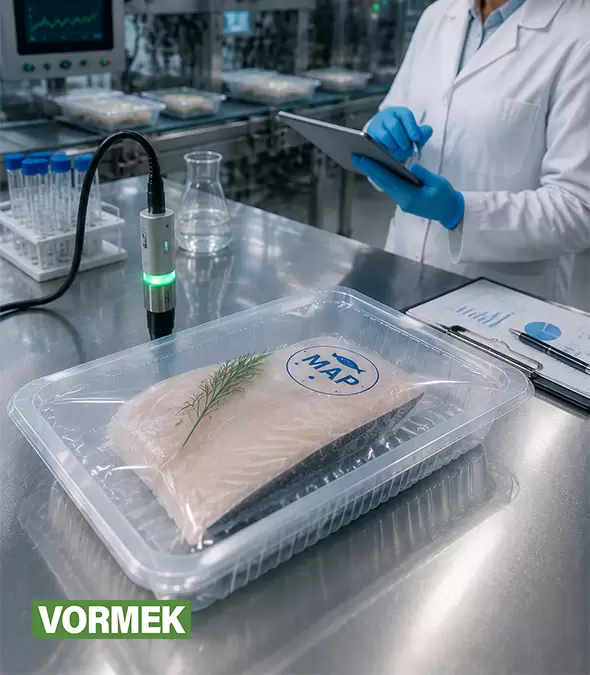
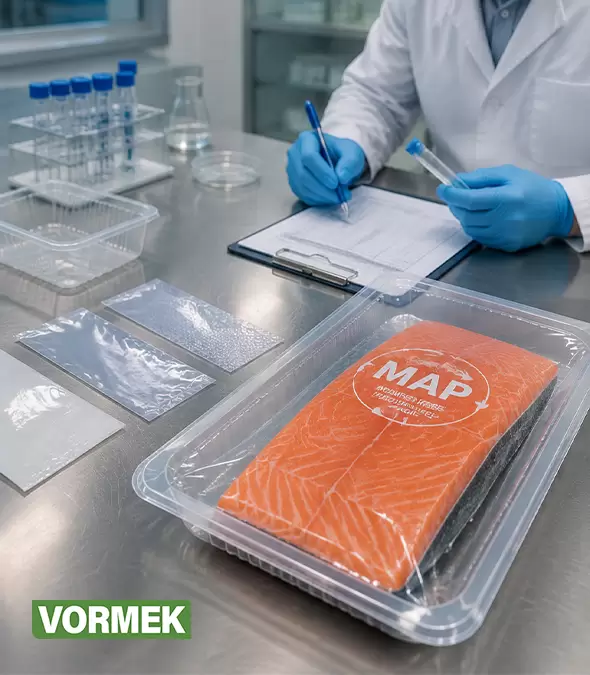
تتناول تقنيتان رئيسيتان للتغليف تحديات حفظ المنتجات الطازجة: التغليف بالتفريغ والتغليف بالغازات المعدلة (MAP). تعمل كلتاهما عن طريق تعديل البيئة الغازية حول المنتج، لكنهما تحققان ذلك من خلال آليات مختلفة جوهرياً. يزيل التغليف بالتفريغ الهواء تماماً، بينما يستبدل MAP الهواء بمزيج غاز محكوم يتم اختياره خصيصاً لإبطاء التنفس، وتثبيط النمو الميكروبي، وتأخير الاسمرار الإنزيمي.
بالنسبة لمصنعي المنتجات الطازجة الذين يسعون لتحسين عمليات التغليف الخاصة بهم، فإن فهم الفروق التقنية بين هذه الطرق، وتطبيقاتها المحددة، والمتطلبات الهندسية للتنفيذ الناجح أمر ضروري. يقدم هذا الدليل فحصاً شاملاً من منظور هندسي صناعي، بالاعتماد على البحث العلمي والخبرة العملية في التصنيع لمساعدتك على اتخاذ قرارات مستنيرة لخط الإنتاج الخاص بك.
الفصل الأول: فهم آليات التلف في المنتجات الطازجة والسلطات
قبل فحص حلول التغليف، من الضروري فهم آليات التدهور المحددة التي تؤثر على الفواكه الطازجة والخضروات والسلطات الجاهزة. تحدد هذه الآليات نهج التغليف الذي سيكون أكثر فعالية لفئة منتج معينة.
النشاط التنفسي وتأثيره
تستمر المنتجات الطازجة في التنفس بعد الحصاد – وهي عملية أيضية تستهلك الأكسجين وتنتج ثاني أكسيد الكربون والماء والحرارة. يختلف معدل التنفس بشكل كبير بين السلع المختلفة ويتأثر بدرجة الحرارة، ومرحلة النضج، والتلف الميكانيكي الناتج عن المعالجة.
تتدهور المنتجات ذات معدلات التنفس العالية، مثل الفراولة والفطر والخضروات الورقية، بسرعة وتتطلب تصميم تغليف دقيق لإدارة البيئة الغازية بشكل فعال. أظهرت الأبحاث على الفراولة أنه يمكن نمذجة التنفس باستخدام حركيات إنزيمية، مع تقديم التثبيط غير التنافسي بواسطة CO2 أفضل وصف لكيفية قمع ثاني أكسيد الكربون المرتفع لامتصاص الأكسجين.
يوفر معامل التنفس (RQ) – نسبة CO2 المنتج إلى O2 المستهلك – رؤى حول نوع التنفس الذي يحدث. في ظل الظروف الهوائية، يكون RQ عادة أقل من أو قريباً من 1، بينما يؤدي التنفس اللاهوائي إلى RQ أعلى بكثير من 1، مما يشير إلى تراكم نواتج الأيض الثانوية مثل الإيثانول أو حمض اللاكتيك.
الاسمرار الإنزيمي
تواجه المنتجات الطازجة المقطعة تحدياً محدداً غير موجود في الفواكه والخضروات الكاملة: الاسمرار الإنزيمي. عندما يتم قطع الأنسجة النباتية، يتم تعطيل الحجرات الداخلية، مما يسمح للإنزيمات مثل بوليفينول أوكسيديز (PPO) وبيروكسيديز (POD) بالتلامس مع الركائز الفينولية. ينتج عن هذا التفاعل أصباغ بنية يعتبرها المستهلكون تلفاً، مما يقلل بشكل كبير من جاذبية المنتج.
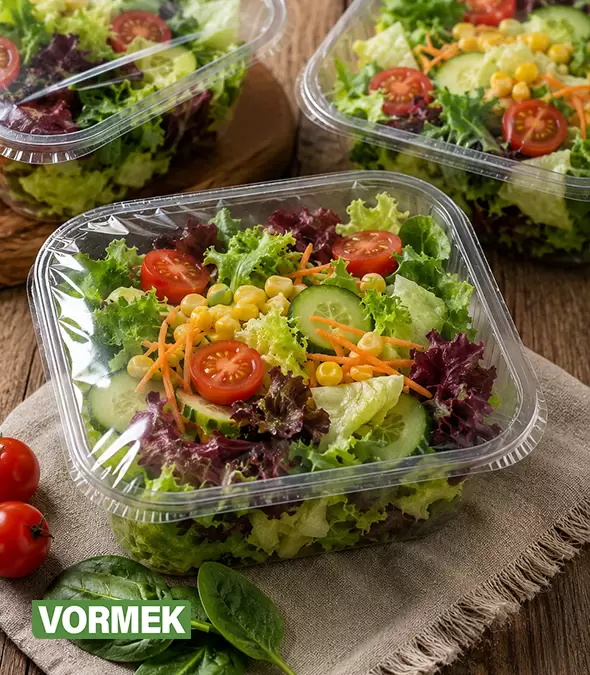
أظهرت الأبحاث أن التبريد المسبق بالتفريغ مع التغليف بالغازات المعدلة يمكن أن ينتج تأثيرات تآزرية في إبطاء اسمرار السطح المقطوع. أثبتت دراسة على أنواع الخس الطازج المقطع (الآيسبرغ المجعد، والرومين، والبلوط الأحمر) أن هذا النهج المتعدد الحواجز حافظ على الجودة ومدد العمر الافتراضي من ثلاثة أيام إلى تسعة أيام في ظل ظروف التبريد.
النمو الميكروبي
تطلق خطوات القطع والمعالجة المتضمنة في تحضير المنتجات الطازجة المقطعة مغذيات تعزز النمو الميكروبي. توفر الأنسجة التالفة ركيزة مثالية للبكتيريا والخمائر والعفن. يدعم محتوى الرطوبة العالي للمنتجات الطازجة الانتشار الميكروبي بشكل أكبر.
يجب أن تخلق التغليف الفعال ظروفاً تمنع النمو الميكروبي مع الحفاظ على الصفات الحسية للمنتج. ثبت أن MAP مع تركيزات CO2 تصل إلى 20٪ يحافظ على محتوى الكلوروفيل ويقلل من أكسدة الغشاء عن طريق قمع توليد أنواع الأكسجين التفاعلية.
فقدان الرطوبة والذبول
النتح – فقدان بخار الماء من الأنسجة النباتية – يؤدي إلى الذبول، والتجعد، وفقدان الوزن. لا يؤثر هذا على المظهر فحسب، بل يقلل أيضاً من الجودة الغذائية وقبول المستهلك. يجب أن توفر مواد التغليف معدلات نقل بخار ماء مناسبة لتحقيق التوازن بين الاحتفاظ بالرطوبة والحاجة إلى منع التكاثف، الذي يمكن أن يعزز النمو الميكروبي.
الحساسية لدرجة الحرارة
تستفيد معظم المنتجات الطازجة من درجات حرارة تخزين بين 0-5 درجات مئوية، والتي تبطئ التفاعلات المعتمدة على درجة الحرارة بما في ذلك التنفس، ونشاط الإنزيم، والنمو الميكروبي. ومع ذلك، لدى السلع المختلفة نطاقات حرارة مثلى متفاوتة، ويجب تصميم التغليف لاستيعاب ظروف سلسلة التبريد التي ستختبرها المنتجات من المعالجة إلى عرض البيع بالتجزئة.
الفصل الثاني: تقنية التغليف بالتفريغ للمنتجات الطازجة
أسس هندسة التغليف بالتفريغ
يعمل التغليف بالتفريغ عن طريق إزالة الهواء الجوي من العبوة قبل الختم، مما يخلق بيئة منخفضة الأكسجين حول المنتج. تتضمن العملية وضع المنتج في مادة تغليف، وإخلاء الهواء لإنشاء فراغ، ثم إغلاق العبوة بإحكام.
لتطبيقات المنتجات الطازجة، تشمل آليات الحفظ الأساسية ما يلي:
**استبعاد الأكسجين:** عن طريق إزالة الأكسجين، يبطئ التغليف بالتفريغ بشكل فعال التنفس الهوائي ويمنع نمو الكائنات الحية الدقيقة الهوائية. هذا ذو قيمة خاصة للمنتجات المعرضة للأكسدة والتلف الهوائي.
**انخفاض التنفس:** تقلل البيئة منخفضة الأكسجين الناتجة عن التغليف بالتفريغ من معدل تنفس المنتجات الطازجة، مما يبطئ العمليات الأيضية التي تؤدي إلى التلف.
**الاحتفاظ بالرطوبة:** تساعد البيئة المغلقة في الاحتفاظ بالرطوبة، مما يقلل من فقدان الوزن ويمنع الذبول.
تطبيقات التغليف بالتفريغ للمنتجات الطازجة
أظهرت الأبحاث فعالية التغليف بالتفريغ لتطبيقات محددة من المنتجات الطازجة. أظهرت الدراسات على الخس الطازج المقطع أن التغليف بالتفريغ يمكن أن يحافظ بشكل فعال على لون السطح الأخضر مقارنة بالتغليف بالختم الحراري التقليدي. تعمل البيئة منخفضة الأكسجين على إبطاء تحلل الكلوروفيل وتمنع تغير لون السطح المرتبط بالاسمرار الإنزيمي.
التغليف بالتفريغ مناسب بشكل خاص لـ:
– الخضروات الورقية الخضراء حيث يكون الاحتفاظ باللون أمراً بالغ الأهمية
– المنتجات عالية القابلية للأكسدة
– التطبيقات التي تتطلب إزالة أكسجين كاملة
– المنتجات التي يمكنها تحمل قوى ضغط التغليف بالتفريغ
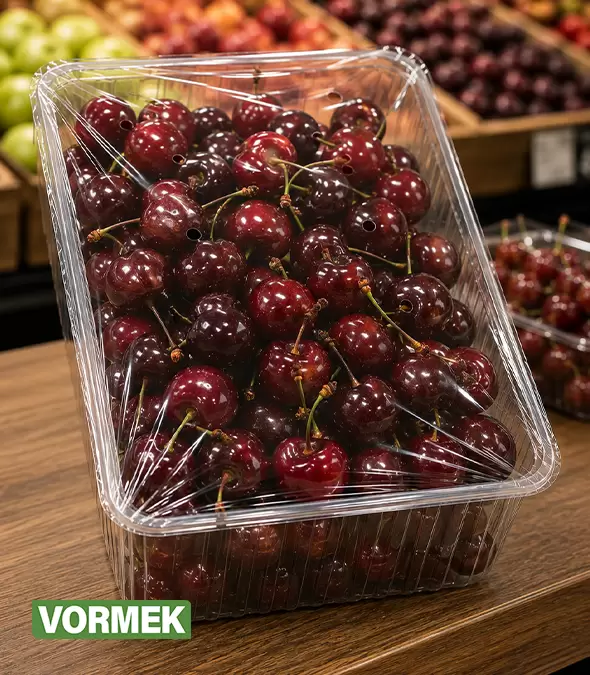
ومع ذلك، قد لا يكون التغليف بالتفريغ مناسباً لجميع المنتجات الطازجة. قد تخدم المنتجات الحساسة مثل التوت، المعرضة لتلف الضغط، بشكل أفضل بواسطة MAP. بالإضافة إلى ذلك، تتطلب بعض المنتجات بيئة غازية محددة لا يمكن للتغليف بالتفريغ توفيرها.
اعتبارات المعدات
آلات غرفة التفريغ
لعمليات المنتجات الطازجة الأصغر حجماً، توفر آلات غرفة التفريغ مرونة وأداءً ثابتاً. تضع هذه الأنظمة العبوة بأكملها داخل غرفة محكمة، وتخلق الفراغ، ثم تغلق العبوة. إنها مناسبة للمنتجات التي تتطلب مناولة لطيفة ومتوفرة بأحجام مختلفة لاستيعاب أحجام الإنتاج المختلفة.
آلات التشكيل الحراري
تشكل أنظمة التغليف بالتفريغ بالتشكيل الحراري الشبكة السفلية في تجاويف، وتملأ بالمنتج، وتطبق فيلماً علوياً، ثم تخلق التفريغ وتغلق في ظل ظروف الفراغ. تقدم هذه الأنظمة سرعات إنتاج عالية مناسبة للتصنيع على نطاق واسع وعرض منتج ممتاز من خلال أشكال التجاويف المخصصة.
التغليف الجلدي
يسحب التغليف الجلدي – وهو شكل متخصص من التغليف بالتفريغ – فيلماً ساخناً بإحكام فوق المنتج وركيزة مسامية، مما يخلق تأثير “الجلد الثاني”. يوفر هذا النهج عرضاً استثنائياً للمنتج مع الحفاظ على الفوائد الوقائية للتغليف بالتفريغ. بالنسبة للعناصر الطازجة غير المنتظمة الشكل، يقدم التغليف الجلدي جاذبية بصرية فائقة ونفايات تغليف أقل.
متطلبات الفيلم للتغليف بالتفريغ
**أداء حاجز الأكسجين:** توفر الأفلام عالية الحاجز التي تتضمن طبقات EVOH (إيثيلين-فينيل كحول) أو الألومنيوم حماية الأكسجين الأساسية للحفاظ على البيئة منخفضة الأكسجين الناتجة عن التغليف بالتفريغ.
**مقاومة الثقب:** يمكن لقوى الضغط الناتجة عن التغليف بالتفريغ أن تجهد فيلم التغليف، خاصة عند تعبئة المنتجات ذات الحواف الحادة مثل السيقان أو البذور. الأفلام متعددة الطبقات ذات المقاومة الجيدة للثقب ضرورية.
**سلامة الختم:** يجب أن يشكل الفيلم أختاماً محكمة تحافظ على سلامة الفراغ طوال العمر الافتراضي للمنتج. يمكن أن يعرض التلوث في منطقة الختم جودة الختم للخطر؛ لذلك، تعتبر أفلام التغليف المصممة للختم من خلال التلوث البسيط ذات قيمة.
الفصل الثالث: التغليف بالغازات المعدلة (MAP) للمنتجات الطازجة
المبادئ التقنية لـ MAP
يتضمن التغليف بالغازات المعدلة (MAP) استبدال الهواء داخل العبوة بمزيج غاز محكوم يتم اختياره خصيصاً لإبطاء تدهور المنتج المعبأ. على عكس التغليف بالتفريغ، الذي يزيل الهواء دون إدخال غازات بديلة، يدير MAP بنشاط البيئة الغازية لتحقيق ظروف حفظ مثالية.
يعتمد MAP على التفاعل بين تنفس المنتج ونفاذية فيلم العبوة. الهدف هو إنشاء تركيبة غاز توازنية داخل العبوة تبطئ التنفس مع منع الظروف اللاهوائية. يمكن تحقيق ذلك من خلال MAP السلبي، حيث يخلق تنفس المنتج الغلاف الجوي المطلوب، أو من خلال MAP النشط، حيث يتم شطف العبوة بمزيج غاز محدد.
تشمل الغازات المستخدمة عادة في MAP للمنتجات الطازجة ما يلي:
**النيتروجين (N₂):** غاز خامل يحل محل الأكسجين دون التفاعل مع المنتج. يساعد في الحفاظ على هيكل العبوة ومنع انهيارها.
**ثاني أكسيد الكربون (CO₂):** يمتلك خصائص مضادة للميكروبات تمنع نمو البكتيريا والعفن. تعمل تركيزات CO2 المرتفعة أيضاً على إبطاء التنفس عن طريق قمع امتصاص الأكسجين. ومع ذلك، يمكن أن يسبب CO2 المفرط إصابة فسيولوجية لبعض المنتجات.
**الأكسجين (O₂):** بالنسبة للمنتجات الطازجة، يتم الحفاظ عادة على بعض الأكسجين لمنع التنفس اللاهوائي، الذي يمكن أن ينتج نكهات كريهة ويدعم نمو مسببات الأمراض مثل كلوستريديوم بوتولينوم. يختلف تركيز الأكسجين الأمثل حسب السلعة.
الدليل العلمي لفعالية MAP
أظهرت الأبحاث باستمرار فوائد MAP لحفظ المنتجات الطازجة. سلطت مراجعة نقدية لتقنية MAP الضوء على أن الطريقة يمكن أن تطيل العمر الافتراضي بنسبة 50-200٪ اعتماداً على السلعة وظروف التخزين. على سبيل المثال، أظهرت الدراسات أن الفراولة المعبأة بـ MAP المناسب يمكن أن تحافظ على الجودة لمدة تصل إلى 14 يوماً مقارنة بـ 4-5 أيام في ظل الظروف الجوية العادية.
أظهرت دراسة على الخضروات الورقية الطازجة المقطعة أن الجمع بين التبريد المسبق بالتفريغ و MAP مدد العمر الافتراضي من ثلاثة أيام إلى تسعة أيام عند 4 درجات مئوية. استخدم هذا “النهج المتعدد الحواجز” التأثيرات التآزرية لكلا التقنيتين لتحقيق نتائج حفظ لم يستطع أي منهما تحقيقها بمفرده.
أظهرت الأبحاث على الخضروات الورقية الخضراء في الهند أن MAP مع تركيبة غاز مناسبة ومواد تغليف يمكن أن يمدد العمر الافتراضي من أربعة أيام في ظل التخزين المحيط إلى 14 يوماً في ظل ظروف التبريد، مما يمثل فائدة اقتصادية كبيرة للمنتجين وتجار التجزئة.
طرق إدارة الغاز في MAP
شطف الغاز
يتضمن شطف الغاز حقن مزيج الغاز المطلوب في العبوة مع السماح للهواء الموجود بالإزاحة. هذه الطريقة شائعة الاستخدام للمنتجات الطازجة حيث يكون التعديل السريع للغلاف الجوي مرغوباً. تعتمد فعالية شطف الغاز على معدل تدفق الغاز، وهندسة العبوة، وكثافة المنتج، وتوقيت الختم.
تبادل الغاز (بمساعدة التفريغ)
تطبق طريقة تبادل الغاز أولاً تفريغاً لإزالة الهواء من العبوة، ثم تقدم مزيج الغاز المطلوب. يحقق هذا النهج مستويات أكسجين متبقية أقل من شطف الغاز وحده وهو مناسب للمنتجات التي تتطلب تركيزات أكسجين منخفضة جداً.
الاعتبارات الهندسية لتصميم MAP
يتطلب تصميم MAP المناسب دراسة متأنية لعدة عوامل:
**خصائص المنتج:** لكل سلعة خصائص تنفس محددة ومتطلبات تركيب غاز مثلى. يختلف معدل التنفس مع درجة الحرارة، لذلك يجب تصميم التغليف لظروف التخزين المتوقعة.
**نفاذية الفيلم:** يجب أن يوفر فيلم التغليف معدلات نقل مناسبة للأكسجين وثاني أكسيد الكربون للحفاظ على تركيبة الغاز المطلوبة. إذا كان الفيلم منفذاً جداً، فسيتم فقدان الغلاف الجوي الواقي؛ وإذا كان غير منفذ جداً، فقد تتطور الظروف اللاهوائية.
**حجم العبوة:** يؤثر حجم المساحة الهوائية نسبة إلى وزن المنتج على مدى سرعة إنشاء تركيبة الغاز التوازنية. بالنسبة للمنتجات عالية التنفس، تكون المساحة الهوائية الكافية ضرورية لمنع الظروف اللاهوائية.
**إدارة درجة الحرارة:** يلعب التخزين البارد دوراً أساسياً في حفظ المنتجات الطازجة المقطعة عن طريق إبطاء التفاعلات المعتمدة على درجة الحرارة. يوفر التبريد المسبق بالتفريغ تبريداً سريعاً وموحداً يطيل العمر الافتراضي ويحافظ على الجودة.
اختيار معدات MAP
آلات ختم الصواني بقدرة MAP
تدمج آلات ختم الصواني المتوافقة مع MAP تقنية شطف الغاز أو تبادل الغاز لإنشاء الغلاف الجوي المطلوب قبل الختم. هذه الأنظمة مناسبة للمنتجات المعبأة في صواني مسبقة التشكيل وتقدم تحكماً دقيقاً في تركيبة مزيج الغاز، ومستويات أكسجين متبقية متسقة، وتغييراً سريعاً بين تنسيقات الصواني المختلفة.
تدمج حلول ختم الصواني من Vormek تكنولوجيا التحكم في الغاز المتقدمة مع الهندسة الصناعية القوية، مما يحقق نتائج متسقة في بيئات الإنتاج الصعبة.
آلات التشكيل الحراري بقدرة MAP
تشكل آلات التشكيل الحراري مع وظيفة MAP الشبكة السفلية في تجاويف، وتملأ بالمنتج، وتطبق فيلماً علوياً، وتخلق التفريغ، وتدخل مزيج الغاز المطلوب، ثم تغلق. توفر هذه الأنظمة تكاملاً كاملاً للتشكيل والتعبئة وإدارة الغاز، وكفاءة إنتاجية عالية للعمليات واسعة النطاق، ومرونة لأشكال وأحجام المنتجات المختلفة.
الفصل الرابع: التحليل المقارن لتقنيات التفريغ و MAP
متى تختار التغليف بالتفريغ
يكون التغليف بالتفريغ عادة الخيار المفضل لـ:
– المنتجات التي تتطلب إزالة أكسجين كاملة
– التطبيقات التي تكون فيها قوى الضغط مقبولة
– المنتجات عالية القابلية للأكسدة
– التطبيقات الحساسة للتكلفة حيث تكون المعدات الأبسط وتكاليف التشغيل المنخفضة مرغوبة
أثبتت الدراسات أن التغليف بالتفريغ يحافظ بشكل فعال على لون السطح الأخضر للخس الطازج المقطع، وعند دمجه مع علاجات مضادة للميكروبات، يمكن أن يحافظ على خصائص الجودة والقوام.
متى تختار MAP
يكون MAP عموماً الخيار الأفضل لـ:
– المنتجات الحساسة المعرضة لتلف الضغط
– المنتجات التي تتطلب تركيبات غازية محددة تتجاوز مجرد إزالة الأكسجين
– التطبيقات التي يكون فيها الإجراء المضاد للميكروبات من CO₂ مفيداً
– المنتجات التي يكون فيها العرض البصري في التغليف الصلب مهماً
أظهرت الأبحاث أن MAP فعال بشكل خاص للمنتجات ذات معدلات التنفس العالية، حيث يمكن تخصيص الغلاف الجوي للعبوة وفقاً للمتطلبات المحددة للمنتج.
النهج الهجين: MAP بمساعدة التفريغ
غالباً ما تجمع آلات التغليف الحديثة بين تقنيات التفريغ و MAP لتحقيق نتائج حفظ مثلى. تستخدم آلات التشكيل الحراري بشكل متكرر تسلسلاً حيث يتم إخلاء الهواء أولاً من تجويف العبوة، ثم يتم إدخال مزيج الغاز المطلوب قبل الختم. يمكن لهذا النهج “MAP بمساعدة التفريغ” تحقيق مستويات أكسجين متبقية منخفضة جداً مع توفير الفوائد المضادة للميكروبات من CO₂.
جدول المقارنة الهندسية
الفصل الخامس: تقنيات الحواجز والنهج المتكاملة
الجمع بين التبريد المسبق بالتفريغ و MAP
أظهرت الأبحاث الحديثة فعالية الجمع بين التبريد المسبق بالتفريغ و MAP كـ “نهج متعدد الحواجز” لحفظ الخضروات الطازجة المقطعة. تعالج هذه الاستراتيجية المتكاملة آليات التدهور المتعددة في وقت واحد.
يزيل التبريد المسبق بالتفريغ حرارة الحقل من المنتجات بسرعة، مما يبطئ التنفس ونشاط الإنزيم قبل التغليف. عندما يتبعه MAP، يمدد التأثير المشترك العمر الافتراضي إلى ما بعد ما يمكن أن تحققه أي من التقنيتين بمفردها. أثبتت دراسة على الخس الطازج المقطع إطالة العمر الافتراضي من ثلاثة أيام إلى تسعة أيام عند 4 درجات مئوية باستخدام هذا النهج المشترك.
وجدت الأبحاث أن النهج المتعدد الحواجز كان فعالاً عبر أنواع متعددة من الخس (الآيسبرغ المجعد، والرومين، والبلوط الأحمر) في:
– إبطاء اسمرار السطح المقطوع
– الحفاظ على الجودة العامة
– تأخير النمو الميكروبي
– إطالة العمر الافتراضي للبيع بالتجزئة
من المهم أن التكلفة الإضافية للوحدة لتنفيذ هذا النهج المتعدد الحواجز كانت 1.05٪ فقط، مما يجعله قابلاً للتطبيق اقتصادياً للتطبيقات التجارية.
الجمع بين العلاجات المضادة للميكروبات والتغليف
استكشفت الأبحاث أيضاً الجمع بين العلاجات المضادة للميكروبات والتغليف بالتفريغ لتعزيز الحفظ. وجدت دراسة على الخس الطازج المقطع أن الجمع بين ε-بولي لايسين (ε-PL) ومعالجة الأشعة فوق البنفسجية قصيرة الموجة (UV-C) في ظل ظروف التغليف بالتفريغ:
– حافظ على السطح الأخضر للخس الطازج المقطع
– حافظ على خصائص الجودة والقوام
– منع نمو البكتيريا الهوائية
– حافظ على نكهة أفضل من أي من العلاجين بمفرده
توضح هذه الأبحاث أنه يمكن دمج تكنولوجيا التغليف مع طرق حفظ أخرى لتحقيق نتائج فائقة مع تقليل الاعتماد على المواد الحافظة الكيميائية.
الفصل السادس: الاعتبارات الهندسية لاختيار المعدات
تكنولوجيا الختم
جودة الختم أمر بالغ الأهمية لكل من تغليف التفريغ و MAP. توفر آلات ختم الصواني والتشكيل الحراري الحديثة تحكماً دقيقاً في درجة الحرارة والضغط لتحقيق أختام متسقة عبر مجموعة من أنواع الأفلام.
المكونات الرئيسية لنظام الختم:
**عناصر التسخين:** توزيع الحرارة بشكل متساوٍ عبر منطقة الختم ضروري لجودة ختم متسقة. تتضمن أنظمة الختم من Vormek تقنية عناصر تسخين متقدمة تحافظ على توحيد درجة الحرارة عبر سطح الختم بأكمله.
**آليات الضغط:** يجب أن يكون ضغط الختم كافياً لإنشاء ختم محكم دون التسبب في ترقق الفيلم أو تمزقه.
**التحكم في درجة الحرارة:** يضمن التحكم الدقيق في درجة الحرارة وصول الفيلم إلى درجة حرارة الختم المثلى دون ارتفاع درجة الحرارة، مما قد يسبب تدهور الفيلم أو احتراقه.
التصميم الصحي
يجب أن تفي آلات التغليف للمنتجات الطازجة بمتطلبات نظافة صارمة لمنع التلوث الميكروبي. تشمل ميزات التصميم الرئيسية ما يلي:
**بناء الفولاذ المقاوم للصدأ 304:** يوفر مقاومة للتآكل وقابلية للتنظيف ضرورية لبيئات تصنيع الأغذية. تخلق مستويات الرطوبة العالية للمنتجات المغسولة والمقطوعة حديثاً ظروفاً صعبة تتطلب مواد قوية.
**تصميم قابل للغسيل:** يجب تصميم المعدات لتحمل التنظيف عالي الضغط دون دخول الماء إلى المكونات الحساسة. هذا مهم بشكل خاص لتطبيقات المنتجات الطازجة حيث يكون تواتر التنظيف مرتفعاً.
**أسطح ناعمة:** تمنع الشقوق والزوايا الحادة الحد الأدنى من تراكم بقايا الطعام والنمو الميكروبي.
**قابلية التصريف:** يجب أن يمنع تصميم المعدات تجمع الماء أو محاليل التنظيف.
**سهولة الوصول:** يسهل الوصول السهل إلى أسطح تلامس المنتج التنظيف والفحص الشاملين.
الموثوقية التشغيلية
برامج الصيانة الوقائية
برنامج صيانة وقائية شامل ضروري للموثوقية التشغيلية:
– فحص وتزييت مجدول للأجزاء المتحركة
– استبدال مكونات التآكل قبل الفشل
– معايرة أجهزة الاستشعار وأنظمة التحكم
– توثيق أنشطة الصيانة
استراتيجيات تقليل وقت التوقف
– الحفاظ على مخزون قطع الغيار الحرجة
– تنفيذ أنظمة مراقبة الحالة
– توفير تدريب شامل للمشغلين
– إنشاء إجراءات استجابة سريعة للمشاكل الشائعة
اختيار الفيلم لتطبيقات المنتجات الطازجة
أداء الحاجز
تتطلب تطبيقات المنتجات الطازجة أفلاماً توازن بين نفاذية الأكسجين وثاني أكسيد الكربون للحفاظ على تركيبة الغاز المطلوبة. يمكن أن يؤدي حاجز الأكسجين المفرط إلى ظروف لاهوائية، بينما قد لا يحافظ الحاجز غير الكافي على الغلاف الجوي الواقي.
متطلبات قابلية التشكيل
لتطبيقات التشكيل الحراري، يجب أن يتمتع الفيلم بقابلية تشكيل كافية لتحقيق تكوين تجويف ثابت دون ترقق أو تمزق. غالباً ما تكون لعناصر المنتجات الطازجة أشكال غير منتظمة تتطلب قابلية تشكيل جيدة.
خصائص قابلية الختم
يجب أن يكون الفيلم متوافقاً مع نظام الختم وقادراً على تشكيل أختام محكمة حتى في وجود تلوث المنتج في منطقة الختم. تتضمن تطبيقات المنتجات الطازجة بشكل متكرر رطوبة وبقايا منتج يمكن أن تتحدى جودة الختم.
اعتبارات الاستدامة
مع تزايد أهمية الاستدامة، يجب على مهندسي التغليف النظر في الخيارات القابلة لإعادة التدوير وأحادية المادة التي تلبي متطلبات الأداء مع دعم أهداف الاقتصاد الدائري. تقدم ابتكارات مثل صواني الورق المقوى مع بطانات حاجز محتوى بلاستيكي مخفض مع الحفاظ على أداء MAP.
الفصل السابع: تحديات التغليف الشائعة والحلول
التحدي 1: تركيبة غلاف جوي غير مناسبة
**الأعراض:**
– نكهات كريهة من التنفس اللاهوائي
– تدهور سريع للجودة
– تغير لون المنتج
**الأسباب الجذرية:**
– مزيج غاز غير صحيح للسلعة المحددة
– نفاذية فيلم غير كافية
– نسبة منتج إلى مساحة هوائية غير صحيحة
**الحلول:**
– البحث عن تركيبة الغاز المثلى للمنتج المحدد
– اختيار أفلام ذات خصائص نفاذية مناسبة
– ضبط حجم العبوة بالنسبة لوزن المنتج
التحدي 2: تكاثف الرطوبة
**الأعراض:**
– قطرات ماء داخل العبوة
– نمو ميكروبي متسارع
– مظهر منتج غير جذاب
**الأسباب الجذرية:**
– رطوبة منتج مفرطة
– معدل نقل بخار ماء غير مناسب للفيلم
– تقلبات في درجة الحرارة أثناء التخزين
**الحلول:**
– استخدام وسادات ماصة أو أفلام معدلة
– اختيار أفلام ذات نفاذية بخار ماء مناسبة
– الحفاظ على درجات حرارة سلسلة تبريد متسقة
التحدي 3: الاسمرار الإنزيمي
**الأعراض:**
– تغير لون بني للأسطح المقطوعة
– انخفاض جاذبية المستهلك
– تقليل العمر الافتراضي
**الأسباب الجذرية:**
– تحكم غير كافٍ في الأكسجين
– إدارة غير مناسبة لدرجة الحرارة
– إجراءات معالجة غير صحيحة
**الحلول:**
– تنفيذ MAP مع تركيبة غاز مناسبة
– استخدام التبريد المسبق بالتفريغ قبل التغليف
– النظر في العلاجات المضادة للميكروبات أو المضادة للاسمرار
التحدي 4: مشاكل سلامة الختم
**الأعراض:**
– عبوات متسربة
– فقدان الغلاف الجوي الواقي
– تدهور المنتج المبكر
**الأسباب الجذرية:**
– تلوث في منطقة الختم
– درجة حرارة أو ضغط ختم غير متسقين
– اختيار فيلم غير مناسب
**الحلول:**
– تنفيذ اختبار جودة ختم منتظم
– صيانة معدات الختم بشكل صحيح
– اختيار أفلام مصممة للختم من خلال التلوث
التحدي 5: كفاءة الإنتاج
**الأعراض:**
– توقف ممتد بين فترات تشغيل المنتج
– جودة أولية غير متسقة بعد التغييرات
– تكاليف تشغيل عالية
**الأسباب الجذرية:**
– إجراءات تغيير معقدة
– معدات يصعب ضبطها
– تدريب محدود للمشغلين
**الحلول:**
– تنفيذ أنظمة تغيير سريع
– توثيق وتوحيد إجراءات التغيير
– توفير تدريب شامل للمشغلين
– النظر في معدات ذات تغيير آلي
الفصل الثامن: الاتجاهات الناشئة في تغليف المنتجات الطازجة
حلول التغليف المستدامة
يقود طلب المستهلكين على التغليف المستدام الابتكار في المواد والمعدات للمنتجات الطازجة. تشمل التطورات الرئيسية:
**بدائل الورق المقوى:** تقدم تقنية PaperSeal صواني من الورق المقوى تستخدم بلاستيكاً أقل بنسبة 80-90٪ من الصواني البلاستيكية مع الحفاظ على أداء MAP وسلامة الختم المكافئة للصواني البلاستيكية. تدعم هذه الحلول أهداف الاقتصاد الدائري من خلال تمكين إعادة تدوير الورق المقوى في تيارات نفايات الورق.
**الأفلام القابلة لإعادة التدوير وأحادية المادة:** الأفلام متعددة الطبقات التي تحافظ على أداء الحاجز مع كونها قابلة لإعادة التدوير من خلال تيارات النفايات الحالية أصبحت متاحة بشكل متزايد.
**الأفلام القابلة للتحلل:** أظهرت الأبحاث على المواد القابلة للتحلل مثل أفلام PBAT/P(LA-BI) إمكاناتها لتطبيقات MAP، مع دراسات تظهر حفظاً فعالاً للفراولة لمدة 21 يوماً عند 5 درجات مئوية.
**تقليل التغليف:** تحسين استخدام المواد دون المساس بالحماية يقلل النفايات ويدعم أهداف الاستدامة.
دمج التغليف الذكي
يتزايد دمج ميزات التغليف الذكي في قطاع المنتجات الطازجة:
– مؤشرات النضارة: أجهزة استشعار تشير إلى نضارة المنتج للمستهلكين
– مراقبة درجة الحرارة: أنظمة تتتبع التعرض لدرجة الحرارة أثناء التوزيع
– رموز QR: روابط رقمية لمعلومات المنتج وبيانات التتبع
الأتمتة والصناعة 4.0
أصبحت معدات التغليف أكثر اندماجاً مع أنظمة التصنيع الرقمية:
– الصيانة التنبؤية: أنظمة تتنبأ باحتياجات الصيانة قبل حدوث الفشل
– مراقبة العمليات في الوقت الفعلي: أجهزة استشعار توفر تغذية راجعة فورية عن جودة التغليف
– مراقبة الجودة المتكاملة: أنظمة فحص آلية ترفض العبوات المعيبة
– تحليل البيانات: أنظمة تجمع وتحلل بيانات الإنتاج للتحسين المستمر
الاستجابة لطلب المستهلكين على الراحة
يعكس النمو في المنتجات الطازجة الجاهزة للأكل أنماط حياة المستهلكين المتغيرة. يجب أن تتكيف معدات التغليف للتعامل مع:
**عبوات الفواكه والخضروات المختلطة:** منتجات تحتوي على سلع متعددة ذات خصائص تنفس مختلفة
**أحجام حصص أصغر:** زيادة الطلب على تنسيقات الحصة الواحدة والراحة
**التغليف المتميز:** عرض بصري محسن للمنتجات ذات القيمة المضافة
تم تصميم حلول التغليف من Vormek بمرونة لاستيعاب متطلبات السوق المتطورة هذه، مع أنظمة معيارية تتكيف مع أحجام العبوات المختلفة، وتنسيقات الصواني، وطرق التغليف المختلفة.
جدول المقارنة التقنية: قدرات المعدات للمنتجات الطازجة
الأسئلة الشائعة
1. هل يمكن استخدام التغليف بالتفريغ لجميع أنواع المنتجات الطازجة؟
التغليف بالتفريغ غير مناسب لجميع المنتجات الطازجة. قد تتلف المنتجات الحساسة مثل التوت والفواكه الطرية بفعل قوى الضغط. يوصى عادة بـ MAP للمنتجات الهشة حيث يكون الحفظ دون ضغط فيزيائي مطلوباً.
2. كيف يمنع MAP الاسمرار الإنزيمي في المنتجات الطازجة المقطعة؟
يتحكم MAP في الاسمرار الإنزيمي بشكل أساسي عن طريق تقليل تركيز الأكسجين المتاح لتفاعل بوليفينول أوكسيديز (PPO). تبطئ البيئة منخفضة الأكسجين التفاعل الإنزيمي الذي ينتج أصباغاً بنية على الأسطح المقطوعة. يوفر التبريد المسبق بالتفريغ مع MAP تأثيرات تآزرية في إبطاء الاسمرار.
3. ما هو الفرق بين MAP السلبي والنشط؟
يعتمد MAP السلبي على تنفس المنتج نفسه لإنشاء الغلاف الجوي المعدل داخل العبوة، مع التحكم في نفاذية الفيلم في تبادل الغازات. يتضمن MAP النشط شطف العبوة بمزيج غاز محدد لتحقيق الغلاف الجوي المطلوب قبل الختم. يمكن أن يكون كلا النهجين فعالين حسب المنتج والتطبيق.
4. هل أحتاج إلى أفلام تغليف مختلفة للتفريغ مقابل MAP؟
تتطلب كلتا التقنيتين أفلاماً عالية الحاجز مع قابلية ختم جيدة، لكن تطبيقات MAP تتطلب خصائص نفاذية غاز أكثر تحديداً. يجب أن يسمح الفيلم بتطوير تركيبة الغاز التوازنية المطلوبة مع الحفاظ على الغلاف الجوي الواقي. تتطلب تطبيقات المنتجات الطازجة موازنة دقيقة لنفاذية الأكسجين وثاني أكسيد الكربون لتجنب الظروف اللاهوائية.
5. كيف يؤثر نوع المنتج على اختيار طريقة التغليف؟
تستفيد المنتجات عالية التنفس مثل الفطر والخضروات الورقية من MAP مع اختيار فيلم دقيق لإنشاء الغلاف الجوي التوازني المناسب. قد تكون المنتجات منخفضة التنفس مناسبة للتغليف بالتفريغ حيث تكون إزالة الأكسجين الكاملة مرغوبة. تتطلب المنتجات المعرضة لتلف الضغط MAP بدلاً من التفريغ.
6. هل يمكن تصميم معدات التغليف للتبديل بين أوضاع التفريغ و MAP؟
غالباً ما تقدم معدات التشكيل الحراري وختم الصواني الحديثة المرونة للعمل في وضع التفريغ أو MAP، مما يسمح للمصنعين بالتكيف مع متطلبات المنتج المختلفة. تم تصميم معدات Vormek بأنظمة معيارية تمكن من التبديل بين أوضاع التغليف مع الحد الأدنى من وقت التغيير.
7. ما هو “النهج المتعدد الحواجز” لحفظ المنتجات الطازجة؟
يجمع النهج المتعدد الحواجز بين تقنيات حفظ متعددة لتحقيق تأثيرات تآزرية. مثال رئيسي هو الجمع بين التبريد المسبق بالتفريغ و MAP للخضروات الطازجة المقطعة، حيث يطيل التبريد السريع قبل التغليف العمر الافتراضي إلى ما بعد ما يمكن أن تحققه أي من التقنيتين بمفردها.
8. كيف تؤثر درجة الحرارة على أداء MAP؟
تؤثر درجة الحرارة على كل من معدلات تنفس المنتج ونفاذية الفيلم. يزداد معدل التنفس مع درجة الحرارة، لذلك قد لا يعمل التغليف المصمم لدرجة حرارة واحدة بشكل مثالي في درجة حرارة أخرى. أظهرت الأبحاث في النمذجة الرياضية لأنظمة MAP أن تأثيرات درجة الحرارة على حركيات التنفس تتبع سلوك أرهينيوس. يعد الحفاظ على ظروف سلسلة تبريد مناسبة أمراً ضرورياً لفعالية MAP.
9. ما هي أنظمة المراقبة المهمة لضمان جودة التغليف؟
أنظمة المراقبة المتكاملة ضرورية للحفاظ على جودة التغليف. يمكن لهذه الأنظمة اكتشاف الانحرافات عن ظروف التشغيل المثلى، مثل تقلبات درجة الحرارة، أو تغيرات الضغط، أو تقلبات تركيز الغاز، وتنبيه المشغلين إلى المشاكل المحتملة قبل أن تعرض سلامة المنتج أو جودته للخطر. تمكن المراقبة في الوقت الفعلي أيضاً من جمع البيانات لمبادرات التحسين المستمر.
10. هل هناك بدائل مستدامة للتغليف البلاستيكي التقليدي للمنتجات الطازجة؟
نعم. صواني الورق المقوى مع بطانات حاجز تستخدم بلاستيكاً أقل بنسبة 80-90٪ مع الحفاظ على أداء MAP متاحة الآن. كما يتم البحث في أفلام قابلة للتحلل مثل PBAT/P(LA-BI) لتطبيقات MAP. معدات التغليف من Vormek متوافقة مع مجموعة واسعة من خيارات الأفلام المستدامة، مما يمكن المصنعين من الانتقال إلى تغليف أكثر استدامة دون المساس بالأداء.
الفصل التاسع: استراتيجية التنفيذ لترقيات تكنولوجيا التغليف
تقييم وضعك الحالي
قبل الاستثمار في معدات تغليف جديدة، قم بإجراء تقييم شامل لعملياتك الحالية:
تحليل المنتج
– ما هي متطلبات الحفظ المحددة لمنتجاتك؟
– هل هناك مشاكل جودة حالية يمكن للتغليف معالجتها؟
– ما هي أهداف العمر الافتراضي المطلوبة لسوقك؟
تحليل الإنتاج
– ما هي أحجام الإنتاج الحالية وتوقعات النمو؟
– ما مقدار مرونة التغيير المطلوبة؟
– ما هي قيود العمالة والتشغيل لديك؟
التحليل المالي
– ما هي ميزانيتك للاستثمار الرأسمالي؟
– ما هو العائد المتوقع على الاستثمار من تحسين العمر الافتراضي؟
– ما هي الوفورات التشغيلية التي يمكن تحقيقها؟
تطوير دراسة الجدوى
يجب أن تتضمن دراسة الجدوى المقنعة للاستثمار في تكنولوجيا التغليف:
فوائد الجودة
– عمر افتراضي ممتد للمنتج
– تقليل هدر المنتج والمرتجعات
– تعزيز سمعة العلامة التجارية
الفوائد التشغيلية
– زيادة كفاءة الإنتاج
– تقليل وقت التوقف
– تبسيط عمليات التغيير
الفوائد المالية
– تقليل تكاليف مواد التغليف
– انخفاض تكاليف النقل
– زيادة الطاقة الإنتاجية
معايير اختيار المعدات
عند اختيار معدات التغليف لتطبيقات المنتجات الطازجة، ضع في اعتبارك:
متطلبات الأداء
– معدلات الإنتاجية المستهدفة
– مرونة التغليف المطلوبة
– معايير الجودة ومتطلبات المراقبة
متطلبات التكامل
– التوافق مع خطوط الإنتاج الحالية
– التكامل مع المعدات الأولية والنهائية
– تكامل نظام التحكم
متطلبات الدعم
– توفر الدعم الفني
– متطلبات التدريب
– توفر قطع الغيار
التخطيط للتنفيذ
يتطلب التنفيذ الناجح تخطيطاً دقيقاً:
التحضير قبل التركيب
– تحضير الموقع ومتطلبات المرافق
– التحضير لتدريب المشغلين
– جدولة الإنتاج لتقليل الاضطراب
التركيب والتشغيل الأولي
– تركيب المعدات
– التكامل مع الأنظمة الحالية
– الاختبار والتحقق
التحسين والتحسين المستمر
– مراقبة الأداء وتحسينه
– تطوير مهارات المشغلين
– عمليات التحسين المستمر
توفر Vormek دعماً شاملاً للتنفيذ، من التقييم الأولي عبر التركيب والتحسين، مما يضمن اعتماداً ناجحاً لتكنولوجيا التغليف الجديدة.
الاستنتاج
يتطلب الاختيار بين التغليف بالتفريغ والتغليف بالغازات المعدلة للمنتجات الطازجة ومنتجات السلطة دراسة متأنية لخصائص المنتج، ومتطلبات الإنتاج، وأهداف الجودة. يتفوق التغليف بالتفريغ في التطبيقات التي تكون فيها إزالة الأكسجين الكاملة أمراً بالغ الأهمية ولا تتأثر سلامة المنتج بقوى الضغط. يقدم MAP حماية فائقة للمنتجات الحساسة وعالية التنفس ويوفر فوائد مضادة للميكروبات من خلال تضمين CO₂ المتحكم فيه.
أظهرت الأبحاث فعالية كلتا التقنيتين، مع قدرة MAP على إطالة العمر الافتراضي بنسبة 50-200٪ للعديد من السلع. أظهر النهج المتعدد الحواجز المتمثل في الجمع بين التبريد المسبق بالتفريغ و MAP وعداً خاصاً للخضروات الورقية الطازجة المقطعة، مما يمدد العمر الافتراضي من ثلاثة أيام إلى تسعة أيام بتكلفة إضافية ضئيلة.
تتطلب كلتا التقنيتين آلات دقيقة قادرة على تحقيق مستويات فراغ متسقة، ومخاليط غاز دقيقة، وأختام محكمة. يعتمد نجاح أي من النهجين بشكل حاسم على اختيار أفلام التغليف المناسبة، والصيانة المناسبة للمعدات، والمراقبة الصارمة للجودة. تظل إدارة درجة الحرارة طوال سلسلة التبريد ضرورية لتحقيق النتائج المثلى.
مع استمرار ارتفاع توقعات المستهلكين للراحة والجودة والاستدامة، سيزداد دور تقنيات التغليف المتقدمة في حفظ المنتجات الطازجة أهمية. الاستثمار في المعدات والخبرة المناسبة لتنفيذ هذه التقنيات بفعالية هو ضرورة استراتيجية لمصنعي المنتجات الطازجة الملتزمين بالتميز.
يتطور مشهد التغليف بسرعة، مع متطلبات الاستدامة، والتكامل الرقمي، وتفضيلات المستهلكين التي تقود الابتكار. يمكن للمصنعين الذين يتعاونون مع موردي معدات التغليف ذوي الخبرة مثل Vormek التنقل في هذه التغييرات بفعالية، مما يضمن بقاء عمليات التغليف الخاصة بهم تنافسية وقادرة على تلبية متطلبات السوق المتطورة.