مقدمة
في صناعة الحلويات والوجبات الخفيفة، يعتبر التغليف أكثر من مجرد غلاف زخرفي – فهو نظام هندسي حاسم مصمم للحفاظ على جودة المنتج، وإطالة العمر الافتراضي، وحماية سلامة المستهلك. تقدم منتجات الشوكولاتة والوجبات الخفيفة تحديات حفظ فريدة بسبب حساسيتها للأكسجين والرطوبة والضوء وتقلبات درجات الحرارة. تتراوح آليات التلف في هذه المنتجات من أكسدة الدهون وهجرة الرطوبة إلى تدهور النكهة وتغيرات القوام، وكلها يمكن أن تؤثر بشكل كبير على قبول المستهلك وسمعة العلامة التجارية.
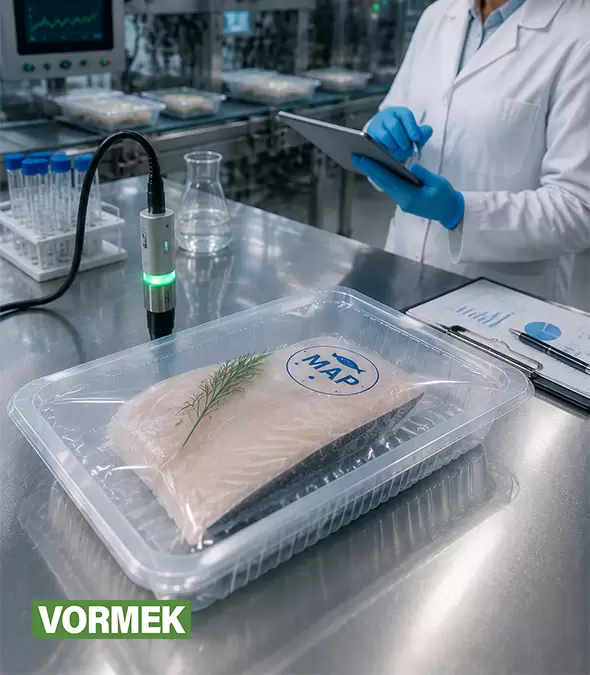
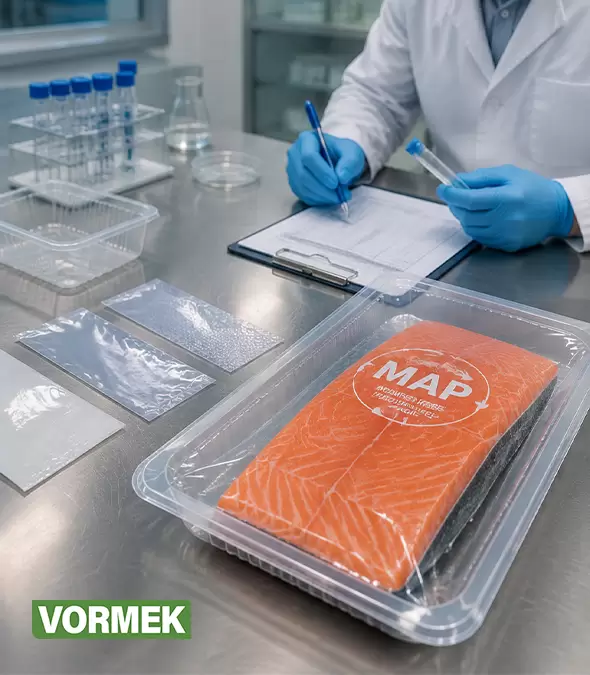
برزت تقنيتان للتغليف كمعايير صناعية لمواجهة هذه التحديات: التغليف بالتفريغ والتغليف بالغازات المعدلة (MAP). تعمل كلتا الطريقتين عن طريق تعديل البيئة الغازية المحيطة بالمنتج، وبالتالي إبطاء عمليات التدهور الكيميائية والبيولوجية التي تهدد الجودة. عند تنفيذها بشكل صحيح من خلال آلات هندسية دقيقة، يمكن لهذه التقنيات إطالة العمر الافتراضي بشكل كبير مع الحفاظ على الخصائص الحسية التي تحدد منتجات الحلويات المتميزة.
بالنسبة لمصنعي الأغذية الذين يسعون لتحسين عمليات التغليف الخاصة بهم، فإن فهم الفروق التقنية بين هذه الطرق، وتطبيقاتها المحددة، والمتطلبات الهندسية للتنفيذ الناجح أمر ضروري. يقدم هذا الدليل فحصاً شاملاً لتقنيات التفريغ و MAP من منظور هندسي صناعي، بالاعتماد على البحث العلمي والخبرة العملية في التصنيع لمساعدتك على اتخاذ قرارات مستنيرة لخط الإنتاج الخاص بك.
هل أنت مستعد لتقييم أي تقنية تغليف تحقق أفضل النتائج لمنتجات الحلويات الخاصة بك؟ يتخصص مهندسو التغليف في Vormek في تحليل خصائص المنتج ومتطلبات الإنتاج للتوصية بحلول التفريغ أو MAP المثلى. يقدم فريقنا تقييمات فنية مجانية تفحص خط التغليف الحالي الخاص بك، وتحدد فرص التحسين، وتقترح تكوينات معدات مصممة خصيصاً لأهداف الجودة الخاصة بك. اتصل بفريقنا الهندسي اليوم لتحديد موعد لتقييم خط التغليف الخاص بك واكتشف كيف يمكن للمعدات الهندسية الدقيقة أن تحول أداء العمر الافتراضي لديك.
الفصل الأول: فهم تدهور العمر الافتراضي في الحلويات والوجبات الخفيفة
قبل فحص حلول التغليف، من الضروري فهم آليات التدهور المحددة التي تؤثر على منتجات الحلويات والوجبات الخفيفة. تحدد هذه الآليات نهج التغليف الذي سيكون أكثر فعالية لنوع منتج معين.
الأكسدة والنتانة
الأكسجين هو أحد الأعداء الأساسيين لمنتجات الحلويات، خاصة تلك التي تحتوي على دهون أو زيوت أو مكسرات. تؤدي تفاعلات الأكسدة إلى تطور نكهات وروائح نتانة، مما يقلل بشكل كبير من قبول المنتج. أظهرت دراسة على الشوكولاتة الداكنة مع البندق أن العينات المعبأة مع كاسحات أكسجين حافظت على رائحتها وطعمها وجودتها الغذائية لفترات أطول بكثير مقارنة بتلك المعبأة في مواد تقليدية. بعد 12 شهراً من التخزين، أظهرت العينات الأقل حماية انخفاضاً متوازياً في الأحماض الدهنية الأحادية غير المشبعة والمتعددة غير المشبعة، بينما حافظت العينات المعبأة مع كاسحات أكسجين على ملفات الأحماض الدهنية شبه سليمة.
تحدث عملية الأكسدة من خلال تفاعل متسلسل للجذور الحرة يتسارع بالضوء والحرارة ووجود أيونات المعادن. الأحماض الدهنية غير المشبعة الموجودة في المكسرات وزبدة الكاكاو معرضة بشكل خاص لهذا النوع من التدهور. أنظمة التغليف التي تستبعد أو تكسح الأكسجين بشكل فعال ضرورية للمنتجات التي تحتوي على هذه المكونات.
هجرة الرطوبة وتغيرات القوام
تعتبر الحساسية للرطوبة ذات صلة خاصة بالبسكويت والرقائق والشوكولاتة المحشوة. المنتجات ذات النشاط المائي المنخفض عرضة لامتصاص الرطوبة، مما يمكن أن يسبب التليين أو فقدان القرمشة. على العكس، قد تفقد بعض المنتجات الرطوبة وتصبح قديمة أو صلبة. لذلك، فإن خصائص حاجز مواد التغليف ضد انتقال بخار الماء هي محددات حاسمة لجودة المنتج طوال العمر الافتراضي.
العلاقة بين نشاط الماء وقوام المنتج تحكمها درجة حرارة التحول الزجاجي للمنتج. عندما تهاجر الرطوبة إلى داخل المنتج أو خارجه، تتغير درجة حرارة التحول الزجاجي، مما يؤدي إلى تغيرات في القوام يعتبرها المستهلكون فقداناً للنضارة. يحافظ التغليف الفعال على نشاط الماء التوازني للمنتج، مما يحافظ على قوامه وملمسه الفموي المقصودين.
تدهور النكهة والرائحة
المركبات المتطايرة المسؤولة عن نكهة ورائحة الشوكولاتة المميزة عرضة للتدهور من خلال الأكسدة والهجرة. أظهرت الأبحاث أن الشوكولاتة المعبأة مع كاسحات أكسجين في مواد حاجز تحافظ على ملفها العطري لفترة أطول بكثير من المنتجات المعبأة بحماية أقل فعالية. هذا مهم بشكل خاص لمنتجات الشوكولاتة المتميزة حيث يكون تعقيد النكهة محركاً رئيسياً لقيمة المستهلك.
يحدث تدهور مركبات النكهة من خلال مسارات متعددة بما في ذلك الأكسدة والتحلل المائي والتفاعل مع مواد التغليف. بعض الألدهيدات والإسترات التي تساهم في النوتات المميزة للشوكولاتة شديدة التفاعل وتتطلب استبعاداً فعالاً للأكسجين للحفاظ على تركيزاتها. يجب أن يمنع التغليف كل من دخول الأكسجين وفقدان المركبات المتطايرة عبر مادة التغليف.
الحساسية لدرجة الحرارة وتزهير الدهون
منتجات الشوكولاتة عرضة لتقلبات درجات الحرارة، والتي يمكن أن تسبب تزهير الدهون – وهو تغير لوني أبيض ناتج عن إعادة تبلور الدهون على السطح. بينما لا يمكن للتغليف وحده منع التغيرات الناتجة عن درجة الحرارة، فإن سلامة العبوة وخصائص الحاجز يمكن أن تقلل من تأثير التقلبات البيئية أثناء التخزين والتوزيع.
يحدث تزهير الدهون عندما تذوب زبدة الكاكاو في الشوكولاتة وتعيد التبلور في شكل متعدد الأشكال مختلف. يمكن أن يؤدي وجود حتى الحد الأدنى من الرطوبة أو الدورات الحرارية إلى تحفيز هذه الظاهرة. يمكن للتغليف عالي الحاجز الذي يمنع دخول الرطوبة ويحافظ على مناخ محلي مستقر حول المنتج أن يؤخر ظهور تزهير الدهون بالإضافة إلى التدهور المرتبط بالأكسجين.
الفصل الثاني: تقنية التغليف بالتفريغ
أسس هندسة التغليف بالتفريغ
يعمل التغليف بالتفريغ على مبدأ مباشر: إزالة الهواء الجوي من العبوة قبل الختم، وبالتالي القضاء على أو تقليل تركيز الأكسجين حول المنتج بشكل كبير. تتضمن العملية وضع المنتج في مادة تغليف، وإخلاء الهواء لإنشاء فراغ، ثم إغلاق العبوة بإحكام.
تشمل الآليات الأساسية التي يحمي بها التغليف بالتفريغ منتجات الحلويات والوجبات الخفيفة ما يلي:
**استبعاد الأكسجين:** عن طريق إزالة الأكسجين، يوقف التغليف بالتفريغ بشكل فعال آليات التلف الهوائي، بما في ذلك النتانة التأكسدية، ونمو العفن، والانتشار البكتيري الهوائي. هذا ذو قيمة خاصة للمنتجات التي تحتوي على مكسرات أو مكونات عالية الدهون.
**تأخير الأكسدة:** بينما يقلل التغليف بالتفريغ الأكسجين إلى مستويات منخفضة جداً، فقد لا يزيل كل الأكسجين من العبوة. ومع ذلك، فإن التخفيض الكبير في الضغط الجزئي للأكسجين يبطئ بشكل كبير تفاعلات الأكسدة.
**الحماية الفيزيائية:** يوفر الضغط المحكم لفيلم التغليف حول المنتج حماية ميكانيكية ويمكن أن يساعد في الحفاظ على سلامة المنتج أثناء المناولة والنقل.
**تقليل الحجم:** يقلل التغليف بالتفريغ من حجم العبوة، مما يمكن أن يحسن كثافة التخزين ويقلل من تكاليف النقل.
أنواع معدات التغليف بالتفريغ
آلات غرفة التفريغ
تضع آلات غرفة التفريغ العبوة بأكملها داخل غرفة محكمة، وتخلق الفراغ من كل من الغرفة وداخل العبوة، ثم تغلق العبوة قبل إعادة الغرفة إلى الضغط الجوي. هذه الآلات مناسبة للعمليات الأصغر حجماً والمنتجات التي تتطلب مناولة لطيفة. تشمل المزايا الرئيسية ما يلي:
– مرونة للتعامل مع أحجام وأنواع مختلفة من العبوات
– مستويات تفريغ متسقة عبر جميع العبوات
– القدرة على تغليف المنتجات السائلة وشبه السائلة دون انسكاب
– تشغيل وصيانة بسيطان
آلات التشكيل الحراري
تشكل أنظمة التغليف بالتفريغ بالتشكيل الحراري الشبكة السفلية في تجاويف باستخدام الحرارة وضغط التفريغ، وتملأ بالمنتج، وتطبق فيلماً علوياً، ثم تخلق التفريغ وتغلق في ظل ظروف الفراغ. تقدم هذه الأنظمة:
– سرعات إنتاج عالية مناسبة للتصنيع على نطاق واسع
– عرض منتج ممتاز بأشكال تجاويف مخصصة
– نفايات فيلم أقل مقارنة بالصواني مسبقة التشكيل
– تكامل مع أنظمة التعبئة والمناولة الآلية
توفر مجموعة آلات التشكيل الحراري من Vormek حلولاً شاملة لمصنعي الحلويات الذين يحتاجون إلى تغليف بالتفريغ عالي السرعة مع تحكم دقيق في العملية. تتضمن هذه الأنظمة تكنولوجيا ختم متقدمة وميزات تصميم صحي ضرورية لبيئات تصنيع الأغذية.
آلات ختم الصواني
للصواني مسبقة التشكيل، يمكن لمعدات ختم الصواني بالتفريغ تحقيق تقليل كبير في الأكسجين مع الحفاظ على مزايا عرض التغليف الصلب. تستخدم آلات ختم الصواني عادة لعروض الشوكولاتة المتميزة والمنتجات التي تتطلب هيكل عبوة أكثر صلابة. تشمل الميزات الرئيسية:
– التوافق مع مواد صواني مختلفة بما في ذلك PET و PP والخيارات القابلة للتحلل
– قدرة شطف غاز مدمجة لتطبيقات MAP
– تحكم دقيق في درجة حرارة الختم والضغط
– تغيير سهل بين تنسيقات الصواني المختلفة
أنظمة التغليف الجلدي
التغليف الجلدي هو شكل متخصص من التغليف بالتفريغ حيث يتم تسخين فيلم وسحبه بإحكام فوق المنتج وركيزة مسامية. يخلق هذا تأثير “الجلد الثاني” الذي يوفر عرضاً استثنائياً للمنتج مع الحفاظ على الفوائد الوقائية للتغليف بالتفريغ. التغليف الجلدي مناسب بشكل خاص للمنتجات غير المنتظمة الشكل حيث قد يخلق التغليف بالتفريغ التقليدي تجاعيد غير جذابة.
متطلبات فيلم التغليف للتغليف بالتفريغ
اختيار أفلام التغليف المناسبة أمر بالغ الأهمية لنجاح التغليف بالتفريغ. تشمل خصائص الفيلم الرئيسية:
أداء حاجز الأكسجين
يجب أن توفر الأفلام المستخدمة للتغليف بالتفريغ خصائص حاجز أكسجين ممتازة للحفاظ على البيئة منخفضة الأكسجين الناتجة عن عملية التغليف. تستخدم عادة أفلام حاجز عالية تتضمن طبقات EVOH (إيثيلين-فينيل كحول) أو الألومنيوم. عادة ما تكون معدلات انتقال الأكسجين أقل من 2 سم³/م²/يوم مطلوبة لتطبيقات العمر الافتراضي الممتد.
مقاومة الثقب
يخلق التغليف بالتفريغ قوى ضغط يمكن أن تجهد فيلم التغليف. تمنع الأفلام ذات المقاومة الجيدة للثقب الفشل بسبب حواف المنتج الحادة أو الشوائب. توفر الأفلام متعددة الطبقات عادة مقاومة أفضل للثقب من البدائل أحادية الطبقة.
سلامة الختم
يجب أن يشكل الفيلم أختاماً محكمة تحافظ على سلامة الفراغ طوال العمر الافتراضي للمنتج. يمكن أن يعرض التلوث في منطقة الختم جودة الختم للخطر؛ لذلك، تعتبر أفلام التغليف المصممة للختم من خلال التلوث ذات قيمة. تتضمن حلول التغليف من Vormek تقنية ختم تستوعب التلوث البسيط للمنتج في منطقة الختم.
قابلية التشكيل
لتطبيقات التشكيل الحراري، يجب أن يتمتع الفيلم بقابلية تشكيل كافية لتحقيق تكوين تجويف ثابت دون ترقق أو تمزق. تتأثر قابلية التشكيل بتركيبة الفيلم وسمكه واتجاهه.
معايير عملية التغليف بالتفريغ
يعتمد نجاح التغليف بالتفريغ على التحكم في عدة معايير عملية:
مستوى التفريغ
يؤثر مستوى التفريغ المحقق أثناء التغليف مباشرة على تركيز الأكسجين المتبقي في العبوة. تتراوح مستويات التفريغ النموذجية لتطبيقات الحلويات من 0.5 إلى 5 مليبار، وهو ما يتوافق مع مستويات أكسجين متبقية أقل من 0.5٪ في معظم الحالات. يعتمد مستوى التفريغ المستهدف على حساسية المنتج ومتطلبات العمر الافتراضي.
درجة حرارة الختم
يجب تحسين درجة حرارة الختم لفيلم التغليف المحدد لتحقيق أختام متسقة ومحكمة. يجب تقليل تغيرات درجة الحرارة عبر منطقة الختم من خلال التصميم والصيانة المناسبين للمعدات.
زمن الختم
يجب السماح بزمن ختم كافٍ لتدفق الفيلم وتشكيل رابطة عبر منطقة الختم بأكملها. يعتمد زمن الختم المطلوب على تركيبة الفيلم وسمكه.
زمن التبريد
يضمن زمن التبريد الكافي بعد الختم سلامة الختم عن طريق منع انفصال الختم قبل تماسك الفيلم. تختلف متطلبات زمن التبريد حسب نوع الفيلم والظروف المحيطة.
الفصل الثالث: تقنية التغليف بالغازات المعدلة (MAP)
المبادئ التقنية لـ MAP
يتضمن التغليف بالغازات المعدلة (MAP) استبدال الهواء داخل العبوة بمزيج غاز محكوم يتم اختياره خصيصاً لإبطاء تدهور المنتج المعبأ. على عكس التغليف بالتفريغ، الذي يزيل الهواء دون إدخال غازات بديلة، يدير MAP بنشاط البيئة الغازية لتحقيق ظروف حفظ مثالية.
تشمل الغازات المستخدمة عادة في MAP للحلويات والوجبات الخفيفة ما يلي:
النيتروجين (N₂)
النيتروجين غاز خامل يحل محل الأكسجين دون التفاعل مع المنتج. يمنع الأكسدة ويعمل كغاز حشو للحفاظ على هيكل العبوة ومنع انهيارها. في تطبيقات الوجبات الخفيفة، يوفر النيتروجين توسيداً لحماية المنتجات الهشة أثناء المناولة والنقل.
ثاني أكسيد الكربون (CO₂)
يمتلك ثاني أكسيد الكربون خصائص مضادة للميكروبات تمنع نمو البكتيريا والعفن. ومع ذلك، يمكن امتصاص CO₂ بواسطة المنتجات عالية الرطوبة، مما قد يخلق فراغاً جزئياً داخل العبوة. بالنسبة لمنتجات الحلويات ذات المحتوى الرطوبي المنخفض، يكون هذا الامتصاص ضئيلاً، مما يجعل CO₂ مكوناً قابلاً للتطبيق في مزيج الغاز.
الأكسجين (O₂)
في بعض التطبيقات، يتم تضمين كميات صغيرة من الأكسجين في مزيج الغاز لمنع التلف اللاهوائي أو الحفاظ على تنفس المنتج. ومع ذلك، بالنسبة لمعظم تطبيقات الحلويات، يتم استبعاد الأكسجين لمنع الأكسدة. يجب عادة الحفاظ على مستوى الأكسجين المتبقي في عبوات MAP أقل من 2٪ للعمر الافتراضي الأمثل.
طرق إدارة الغاز في MAP
شطف الغاز
يتضمن شطف الغاز حقن مزيج الغاز المطلوب في العبوة مع السماح للهواء الموجود بالإزاحة. يتدفق الغاز عبر العبوة، مما “يشطف” الهواء المحيط بشكل فعال قبل الختم. هذه الطريقة شائعة الاستخدام للوجبات الخفيفة مثل رقائق البطاطس، حيث يتم شطف العبوة بالنيتروجين حتى يتم دفع الهواء الموجود بالكامل للخارج.
تعتمد فعالية شطف الغاز على:
– معدل تدفق الغاز وتوزيعه داخل العبوة
– هندسة العبوة وكثافة المنتج
– خصائص الفيلم التي تسمح بتبادل الغازات مع استبعاد الأكسجين
– توقيت وتسلسل الختم
تبادل الغاز (بمساعدة التفريغ)
تطبق طريقة تبادل الغاز أولاً تفريغاً لإزالة الهواء من العبوة، ثم تقدم مزيج الغاز المطلوب. تبادل الغاز أكثر كفاءة في تقليل مستويات الأكسجين المتبقية لأن الهواء يتم إزالته بالكامل تقريباً قبل حقن الغاز. تستخدم هذه الطريقة عادة للمنتجات التي تتطلب مستويات أكسجين متبقية منخفضة جداً، عادة أقل من 1٪.
تدمج آلات ختم الصواني والتشكيل الحراري من Vormek تقنية تبادل غاز متقدمة قادرة على تحقيق مستويات أكسجين متبقية أقل من 1٪ في ظروف الإنتاج. تدمج هذه الأنظمة وظائف التفريغ وشطف الغاز في تسلسل آلي واحد.
تطبيقات MAP للحلويات والوجبات الخفيفة
أكياس رقائق البطاطس والوجبات الخفيفة المملوءة بالنيتروجين
المثال الكلاسيكي لـ MAP في الوجبات الخفيفة يتضمن شطف أكياس رقائق البطاطس بالنيتروجين لتوفير وسادة حماية مع منع أكسدة المحتوى الزيتي للمنتج. يحافظ الغلاف الجوي النيتروجيني على نضارة المنتج ويمنع النتانة التي كانت لتحدث في تغليف الهواء المحيط. تحمي وسادة الغاز أيضاً المنتجات الهشة من الكسر أثناء النقل.
الشوكولاتة مع المكسرات
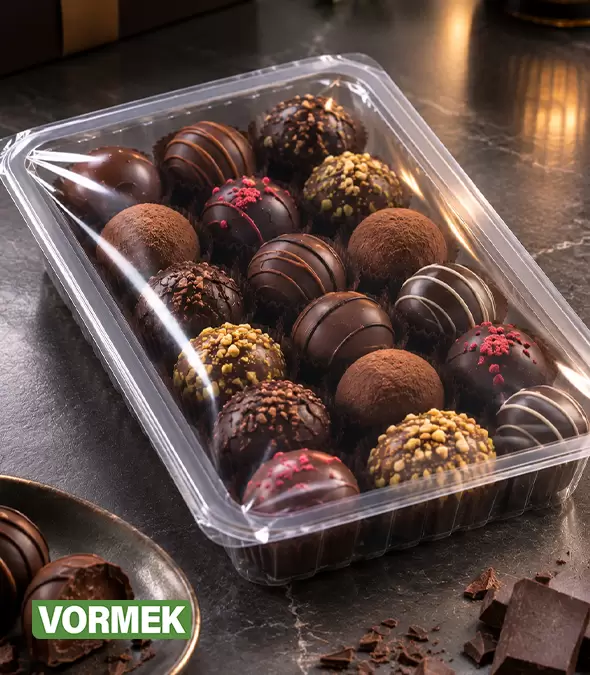
أظهرت الأبحاث أن MAP يمكن أن يطيل العمر الافتراضي للشوكولاتة مع المكسرات بشكل كبير، مع الحفاظ على كل من ملف الأحماض الدهنية والخصائص الحسية للمنتج. يمنع الغلاف الجوي المحكوم أكسدة زيوت المكسرات مع الحفاظ على ملف نكهة الشوكولاتة. بالنسبة لمنتجات الشوكولاتة المتميزة، يوفر MAP حفظاً دون قوى ضغط التغليف بالتفريغ.
منتجات المخابز
MAP فعال للحفاظ على قوام ونضارة الخبز والكيك والمعجنات عن طريق التحكم في هجرة الرطوبة وتثبيط نمو العفن. لمنتجات المخابز ذات المحتوى الرطوبي العالي، يوفر مزيج غاز يحتوي على CO₂ تثبيطاً للعفن بينما يمنع النيتروجين التلف الناتج عن الأكسجين.
الوجبات الخفيفة الجاهزة للأكل
تستفيد الوجبات الخفيفة الجاهزة المطبوخة مسبقاً من قدرة MAP على خلق بيئة لا يمكن لكائنات التلف أن تزدهر فيها. يوفر مزيج استبعاد الأكسجين والإجراء المضاد للميكروبات من CO₂ حفظاً شاملاً لهذه المنتجات.
اختيار مواد التغليف لـ MAP
تعتمد فعالية MAP بشكل كبير على خصائص حاجز الغاز لمادة التغليف. إذا كانت المادة تسمح بتبادل الغازات، فسيتم فقدان الغلاف الجوي الواقي، وسيتم اختراق العمر الافتراضي.
متطلبات حاجز الأكسجين
تمنع الأفلام ذات خصائص حاجز الأكسجين العالية، مثل تلك التي تتضمن طبقات EVOH أو الألومنيوم، دخول الأكسجين من البيئة. يعتمد معدل انتقال الأكسجين المطلوب على العمر الافتراضي المتوقع وحساسية المنتج. لتطبيقات العمر الافتراضي الممتد، عادة ما تكون معدلات انتقال الأكسجين أقل من 1 سم³/م²/يوم عند 23 درجة مئوية و 50٪ رطوبة نسبية مطلوبة.
الاحتفاظ بثاني أكسيد الكربون
بينما هو أقل أهمية من الاحتفاظ بالأكسجين، فإن القدرة على الحفاظ على مستويات CO₂ داخل العبوة تساهم في الفعالية المضادة للميكروبات لـ MAP. يجب موازنة معدلات نقل CO₂ مع الحاجة إلى منع انهيار العبوة، خاصة للمنتجات التي تمتص CO₂.
متطلبات سلامة الختم
يجب أن يكون الختم محكماً لمنع تبادل الغازات بين داخل العبوة والبيئة. تضمن تقنية الختم من Vormek جودة ختم متسقة حتى في ظروف الإنتاج الصعبة. يمكن أن يعرض التلوث في منطقة الختم جودة الختم للخطر؛ لذلك، تعتبر أفلام التغليف المصممة للختم من خلال التلوث ذات قيمة للحفاظ على سلامة الغاز.
اختيار معدات MAP
آلات ختم الصواني بقدرة MAP
تدمج آلات ختم الصواني المتوافقة مع MAP تقنية شطف الغاز أو تبادل الغاز لإنشاء الغلاف الجوي المطلوب قبل الختم. هذه الأنظمة مناسبة للمنتجات المعبأة في صواني مسبقة التشكيل وتقدم:
– تحكم دقيق في تركيبة مزيج الغاز
– مستويات أكسجين متبقية متسقة
– إنتاجية عالية
– تغيير سريع بين تنسيقات الصواني المختلفة
آلات التشكيل الحراري بقدرة MAP
تشكل آلات التشكيل الحراري مع وظيفة MAP الشبكة السفلية في تجاويف، وتملأ بالمنتج، وتطبق فيلماً علوياً، وتخلق التفريغ، وتدخل مزيج الغاز المطلوب، ثم تغلق. توفر هذه الأنظمة:
– تكامل كامل للتشكيل والتعبئة وإدارة الغاز
– خصائص حاجز غاز ممتازة من خلال التغليف المشكل
– كفاءة إنتاجية عالية للعمليات واسعة النطاق
– مرونة لأشكال وأحجام المنتجات المختلفة
تدمج حلول تغليف MAP من Vormek تكنولوجيا التحكم في الغاز المتقدمة مع الهندسة الصناعية القوية، مما يحقق نتائج متسقة في بيئات الإنتاج الصعبة.
الفصل الرابع: التحليل المقارن لتقنيات التفريغ و MAP
متى تختار التغليف بالتفريغ
يكون التغليف بالتفريغ عادة الخيار المفضل لـ:
المنتجات الصلبة والمتينة
المنتجات التي يمكنها تحمل قوى الضغط هي مرشحة مثالية للتغليف بالتفريغ. تشمل الأمثلة البسكويت الصلب والشوكولاتة الصلبة والمكسرات. لن تتلف قوى الضغط الناتجة عن التغليف بالتفريغ هذه المنتجات.
المنتجات عالية الدهون
تستفيد المنتجات التي يكون فيها استبعاد الأكسجين هو آلية الحفظ الأساسية من إزالة الأكسجين شبه الكاملة التي يوفرها التغليف بالتفريغ. توفر مستويات الأكسجين المتبقية القابلة للتحقيق مع التغليف بالتفريغ (عادة أقل من 0.5٪) حماية فائقة ضد الأكسدة مقارنة بـ MAP.
التطبيقات الحساسة للتكلفة
يتطلب التغليف بالتفريغ عموماً معدات أبسط وتكاليف تشغيل أقل من MAP. يقلل غياب استهلاك الغاز ومعدات خلط الغاز من النفقات التشغيلية المستمرة.
التطبيقات التي تتطلب الحد الأدنى من الأكسجين المتبقي
للمنتجات حيث يجب أن تكون مستويات الأكسجين منخفضة قدر الإمكان، يوفر التغليف بالتفريغ أداءً فائقاً. الحد الأدنى للأكسجين المتبقي القابل للتحقيق مع MAP محدود بنقاء إمداد الغاز وكفاءة عملية تبادل الغاز.
متى تختار MAP
يكون MAP عموماً الخيار الأفضل لـ:
المنتجات الهشة
المنتجات التي قد تتلف بفعل قوى ضغط التغليف بالتفريغ تخدم بشكل أفضل بواسطة MAP. تشمل الأمثلة شوكولاتة البرالين الدقيقة ومنتجات الرقائق والحلويات المهواة. تحافظ عملية شطف الغاز اللطيفة على هيكل المنتج ومظهره.
المنتجات المعروضة بصرياً
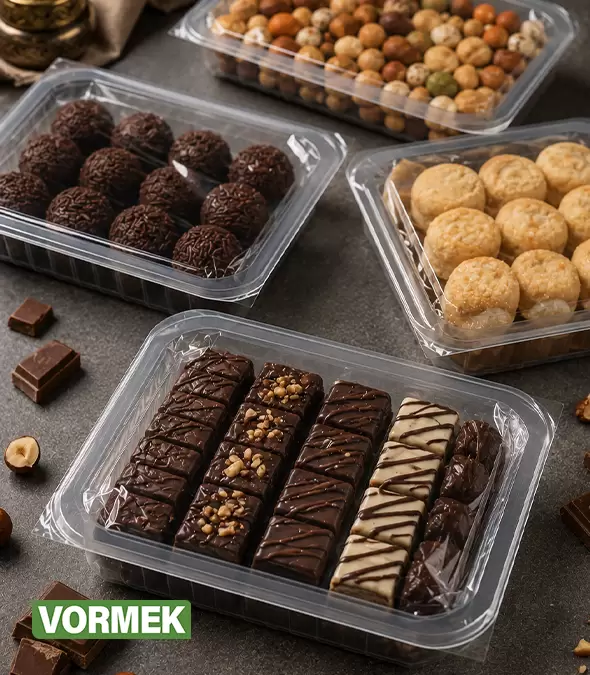
تستفيد المنتجات التي تتطلب عرضاً بصرياً، مثل الشوكولاتة المتميزة المعروضة في تغليف البيع بالتجزئة، من قدرة MAP على الحفاظ على حجم العبوة وشكلها. المظهر المنتفخ الناتج عن عبوات MAP المملوءة بالنيتروجين جذاب للمستهلكين ويحمي المنتجات الهشة.
المنتجات عالية الرطوبة
تستفيد المنتجات ذات المحتوى الرطوبي العالي حيث يكون الحفاظ على القوام أمراً بالغ الأهمية من قدرة MAP على التحكم في هجرة الرطوبة. يمكن للتغليف بالتفريغ أن يسرع فقدان الرطوبة في بعض المنتجات بسبب فرق الضغط الناتج أثناء التغليف.
متطلبات الإنتاج عالي السرعة
تعمل بعض أنظمة MAP بسرعات أعلى من معدات التفريغ، مما يجعلها مناسبة للإنتاج عالي الحجم. يمكن لمعدات MAP الحديثة تحقيق معدلات إنتاجية تطابق أو تتجاوز سرعات التغليف بالتفريغ.
التطبيقات التي تتطلب إجراءً مضاداً للميكروبات
يوفر مكون CO₂ في MAP حماية ضد العفن والبكتيريا غير المتوفرة مع التغليف بالتفريغ وحده. للمنتجات المعرضة لنمو العفن، يقدم MAP ميزة كبيرة.
النهج الهجين: MAP بمساعدة التفريغ
غالباً ما تجمع آلات التغليف الحديثة بين تقنيات التفريغ و MAP لتحقيق نتائج حفظ مثلى. تستخدم آلات التشكيل الحراري بشكل متكرر تسلسلاً حيث يتم إخلاء الهواء أولاً من تجويف العبوة، ثم يتم إدخال مزيج الغاز المطلوب قبل الختم. يمكن لهذا النهج “MAP بمساعدة التفريغ” تحقيق مستويات أكسجين متبقية منخفضة جداً (عادة 1-3٪) مع توفير الفوائد المضادة للميكروبات من CO₂.
جدول المقارنة التقنية
الفصل الخامس: الاعتبارات الهندسية لاختيار معدات التغليف
تكنولوجيا الختم
جودة الختم أمر بالغ الأهمية لكل من تغليف التفريغ و MAP. توفر آلات ختم الصواني والتشكيل الحراري الحديثة تحكماً دقيقاً في درجة الحرارة والضغط لتحقيق أختام متسقة عبر مجموعة من أنواع الأفلام.
مكونات نظام الختم
**عناصر التسخين:** توزيع الحرارة بشكل متساوٍ عبر منطقة الختم ضروري لجودة ختم متسقة. تتضمن أنظمة الختم من Vormek تقنية عناصر تسخين متقدمة تحافظ على توحيد درجة الحرارة عبر سطح الختم بأكمله.
**آليات الضغط:** يجب أن يكون ضغط الختم كافياً لإنشاء ختم محكم دون التسبب في ترقق الفيلم أو تمزقه. توفر أنظمة الضغط الهيدروليكي أو الهوائي القوة المتسقة المطلوبة للختم الموثوق.
**التحكم في درجة الحرارة:** يضمن التحكم الدقيق في درجة الحرارة وصول الفيلم إلى درجة حرارة الختم المثلى دون ارتفاع درجة الحرارة، مما قد يسبب تدهور الفيلم أو احتراقه.
صيانة نظام الختم
الصيانة المناسبة لأنظمة الختم ضرورية للأداء المتسق:
– تنظيف منتظم لأسطح الختم لمنع تراكم التلوث
– فحص واستبدال دوري لعناصر التسخين
– معايرة أجهزة استشعار درجة الحرارة ووحدات التحكم
– مراقبة ضغط الختم وزمن الدورة
التحكم في الأكسجين المتبقي
لتطبيقات MAP، القدرة على تحقيق والحفاظ على مستويات أكسجين متبقية منخفضة أمر بالغ الأهمية. وجدت دراسة على الأطعمة بنمط الراحة أن بعض العبوات التجارية احتوت على مستويات أكسجين متبقية تتجاوز 15٪، مما أدى إلى عمر افتراضي أقصر بكثير من المتوقع.
العوامل المؤثرة على الأكسجين المتبقي
– الغلاف الجوي الأولي في العبوة قبل تبادل الغاز
– كفاءة عملية تبادل الغاز
– نقاء الغاز وتركيبته
– نفاذية فيلم العبوة
– سلامة الختم
أنظمة المراقبة
تدمج معدات التغليف الحديثة أنظمة مراقبة الأكسجين المتبقي التي توفر تغذية راجعة في الوقت الفعلي عن جودة الغلاف الجوي للعبوة. يمكن لهذه الأنظمة اكتشاف الانحرافات عن الظروف المثلى وتنبيه المشغلين إلى المشاكل المحتملة قبل أن تعرض سلامة المنتج أو جودته للخطر.
الإنتاجية والأتمتة
كفاءة الإنتاج هي اعتبار رئيسي لأي عملية تغليف. يمكن للأنظمة الآلية ذات قدرات المراقبة والتحكم المدمجة أن تقلل من وقت التوقف وتحسن الاتساق.
ميزات الأتمتة التي يجب مراعاتها
– أنظمة تغذية آلية للمنتجات ومواد التغليف
– أنظمة فحص جودة مدمجة
– تغيير آلي لتنسيقات العبوات المختلفة
– مراقبة وتشخيص عن بعد
– جمع وتحليل بيانات الإنتاج
تحسين الإنتاجية
لتعظيم الإنتاجية:
– مطابقة قدرة المعدات مع متطلبات الإنتاج
– تقليل وقت التغيير بين فترات تشغيل المنتج
– تنفيذ الصيانة التنبؤية لتقليل التوقف غير المخطط له
– تدريب المشغلين على تشغيل المعدات بكفاءة
التصميم الصحي
يجب تصميم آلات التغليف المستخدمة لتطبيقات الأغذية لسهولة التنظيف والتعقيم لمنع التلوث الميكروبي للمنتجات.
ميزات التصميم الصحي الرئيسية
**بناء الفولاذ المقاوم للصدأ 304:** يوفر مقاومة للتآكل وقابلية للتنظيف ضرورية لبيئات تصنيع الأغذية.
**تصميم قابل للغسيل:** يجب تصميم المعدات لتحمل التنظيف عالي الضغط دون دخول الماء إلى المكونات الحساسة.
**أسطح ناعمة:** تمنع الشقوق والزوايا الحادة الحد الأدنى من تراكم بقايا الطعام والنمو الميكروبي.
**سهولة الوصول:** يسهل الوصول السهل إلى أسطح تلامس المنتج التنظيف والفحص الشاملين.
**قابلية التصريف:** يجب أن يمنع تصميم المعدات تجمع الماء أو محاليل التنظيف.
الموثوقية التشغيلية والصيانة
برامج الصيانة الوقائية
برنامج صيانة وقائية شامل ضروري للموثوقية التشغيلية:
– فحص وتزييت مجدول للأجزاء المتحركة
– استبدال مكونات التآكل قبل الفشل
– معايرة أجهزة الاستشعار وأنظمة التحكم
– توثيق أنشطة الصيانة
استراتيجيات تقليل وقت التوقف
– الحفاظ على مخزون قطع الغيار الحرجة
– تنفيذ أنظمة مراقبة الحالة
– توفير تدريب شامل للمشغلين
– إنشاء إجراءات استجابة سريعة للمشاكل الشائعة
تحسين الإنتاج
التحسين المستمر لعمليات التغليف:
– مراقبة مؤشرات الأداء الرئيسية (سرعة التغليف، معدلات النفايات، سلامة الختم)
– تحليل بيانات الإنتاج لتحديد فرص التحسين
– تنفيذ إجراءات تصحيحية بناءً على تحليل البيانات
– مراجعة وتحديث إجراءات التشغيل
اختيار الفيلم لتطبيقات التفريغ و MAP
أداء الحاجز
توفر الأفلام عالية الحاجز مع طبقات EVOH حماية ممتازة للأكسجين وهي ضرورية لتطبيقات MAP والتفريغ مع متطلبات العمر الافتراضي الممتد. يعتمد أداء الحاجز المطلوب على:
– العمر الافتراضي المتوقع للمنتج
– ظروف التخزين (درجة الحرارة، الرطوبة)
– حساسية المنتج للأكسجين والرطوبة
متطلبات قابلية التشكيل
لتطبيقات التشكيل الحراري، يجب أن يتمتع الفيلم بقابلية تشكيل كافية لتحقيق تكوين تجويف ثابت دون ترقق أو تمزق. تشمل عوامل قابلية التشكيل:
– تركيبة الفيلم واتجاهه
– توزيع سمك الفيلم
– معايير المعالجة (درجة الحرارة، سرعة التشكيل)
خصائص قابلية الختم
يجب أن يكون الفيلم متوافقاً مع نظام الختم وقادراً على تشكيل أختام محكمة حتى في وجود تلوث المنتج في منطقة الختم. تشمل اعتبارات قابلية الختم:
– نطاق درجة حرارة الختم
– قوة الختم وسلامته
– تحمل التلوث
اعتبارات الاستدامة
مع تزايد أهمية الاستدامة، يجب على مهندسي التغليف النظر في الخيارات القابلة لإعادة التدوير وأحادية المادة التي تلبي متطلبات الأداء مع دعم أهداف الاقتصاد الدائري. تشمل خيارات الأفلام المستدامة:
– أفلام PE أحادية المادة مع طلاءات حاجز عالية
– أفلام PET و PP قابلة لإعادة التدوير
– أفلام قابلة للتحلل لتطبيقات محددة
الفصل السادس: تحديات التغليف الشائعة والحلول
التحدي 1: جودة ختم غير متسقة
**الأعراض:**
– أعطال ختم متقطعة
– مظهر ختم متغير
– تسرب تم اكتشافه في اختبار الجودة
**الأسباب الجذرية:**
– تغيرات في درجة حرارة الختم
– ضغط ختم غير متسق
– تلوث في منطقة الختم
– تغيرات في سمك الفيلم
**الحلول:**
– تركيب أنظمة مراقبة والتحكم في درجة الحرارة
– تنفيذ مراقبة الضغط
– تنظيف أسطح الختم بانتظام
– التحقق من جودة الفيلم واتساقه
التحدي 2: مستويات أكسجين متبقية عالية
**الأعراض:**
– عمر افتراضي منخفض
– مشاكل جودة مرتبطة بالأكسدة
– شكاوى المستهلكين حول النضارة
**الأسباب الجذرية:**
– تبادل غاز غير فعال
– مشاكل في نقاء الغاز
– تسرب فيلم العبوة
– مشاكل في سلامة الختم
**الحلول:**
– تحسين معايير تبادل الغاز
– التحقق من نقاء إمداد الغاز
– اختبار خصائص حاجز الفيلم
– تنفيذ اختبار سلامة الختم
التحدي 3: تلف المنتج أثناء التغليف
**الأعراض:**
– منتجات مكسورة أو مسحوقة
– تلف مرئي على العناصر المعبأة
– زيادة هدر المنتج
**الأسباب الجذرية:**
– قوى ضغط مفرطة
– تصميم تجويف غير مناسب
– تعديلات غير صحيحة لنظام المناولة
**الحلول:**
– النظر في MAP بدلاً من التفريغ
– إعادة تصميم التجاويف لملاءمة أفضل
– ضبط معايير نظام المناولة
التحدي 4: وقت تغيير وتعقيد
**الأعراض:**
– توقف ممتد بين فترات تشغيل المنتج
– زيادة تكاليف الإنتاج
– جودة أولية غير متسقة بعد التغييرات
**الأسباب الجذرية:**
– إجراءات تغيير معقدة
– معدات يصعب ضبطها
– تدريب محدود للمشغلين
**الحلول:**
– تنفيذ أنظمة تغيير سريع
– توثيق وتوحيد إجراءات التغيير
– توفير تدريب للمشغلين
– النظر في معدات ذات تغيير آلي
التحدي 5: استهلاك الطاقة والموارد
**الأعراض:**
– تكاليف طاقة عالية
– استهلاك غاز مسرف
– نفايات فيلم مفرطة
**الأسباب الجذرية:**
– تشغيل معدات غير فعال
– استخدام غير فعال للغاز
– نفايات فيلم أثناء التغييرات
**الحلول:**
– تحسين معايير تشغيل المعدات
– تركيب أنظمة استعادة الغاز
– تنفيذ برامج توفير الفيلم
الفصل السابع: الاتجاهات الناشئة في تغليف الحلويات
حلول التغليف المستدامة
يقود طلب المستهلكين على التغليف المستدام الابتكار في مواد ومعدات التغليف. يستكشف مصنعو الحلويات:
– **أفلام قابلة لإعادة التدوير وأحادية المادة:** أفلام متعددة الطبقات مع EVOH قابلة لإعادة التدوير من خلال تيارات النفايات الحالية
– **أفلام حيوية وقابلة للتحلل:** مواد مشتقة من مصادر متجددة
– **تقليل التغليف:** تحسين استخدام المواد دون المساس بالحماية
– **حلول قائمة على الورق:** تغليف ورقي مع طلاءات حاجز مستدامة
معدات التغليف من Vormek متوافقة مع مجموعة واسعة من خيارات الأفلام المستدامة، مما يمكن المصنعين من الانتقال إلى تغليف أكثر استدامة دون المساس بالأداء.
دمج التغليف الذكي
يتزايد دمج ميزات التغليف الذكي في قطاع الحلويات:
– مؤشرات النضارة: أجهزة استشعار تشير إلى نضارة المنتج للمستهلكين
– دليل العبث: ميزات محسنة لمقاومة العبث لسلامة المستهلك
– رموز QR: روابط رقمية لمعلومات المنتج والمحتوى الترويجي
– مراقبة درجة الحرارة: أنظمة تراقب التعرض لدرجة الحرارة أثناء التوزيع
الأتمتة والصناعة 4.0
أصبحت معدات التغليف أكثر اندماجاً مع أنظمة التصنيع الرقمية:
– الصيانة التنبؤية: أنظمة تتنبأ باحتياجات الصيانة قبل حدوث الفشل
– مراقبة العمليات في الوقت الفعلي: أجهزة استشعار توفر تغذية راجعة فورية عن جودة التغليف
– مراقبة الجودة المتكاملة: أنظمة فحص آلية ترفض العبوات المعيبة
– تحليل البيانات: أنظمة تجمع وتحلل بيانات الإنتاج للتحسين المستمر
التخصيص والتخصيص الشخصي
يدفع تفضيل المستهلك للمنتجات المخصصة الطلب على معدات تغليف مرنة:
– قدرات التشغيل القصير: معدات يمكنها إنتاج دفعات أصغر اقتصادياً
– تغيير سريع: أنظمة يمكنها التبديل بين منتجات مختلفة بسرعة
– طباعة متغيرة: أنظمة طباعة مدمجة في الخط تمكن من تخصيص المنتج
الأسئلة الشائعة
1. هل يمكن استخدام التغليف بالتفريغ لشوكولاتة البرالين الدقيقة؟
قد يتلف التغليف بالتفريغ البرالين الدقيقة بسبب قوى الضغط. يوصى عادة بـ MAP مع شطف غاز لطيف لمنتجات الشوكولاتة الهشة للحفاظ على شكلها وجاذبيتها البصرية. للمصنعين الذين يفضلون التغليف بالتفريغ، يقدم التغليف الجلدي بديلاً أكثر لطفاً يقلل من قوى الضغط مقارنة بالتغليف بالتفريغ التقليدي.
2. كيف يمنع MAP نمو العفن على منتجات الحلويات؟
يستخدم MAP ثاني أكسيد الكربون، الذي يمتلك خصائص مضادة للميكروبات. يمنع CO₂ نمو العفن والبكتيريا الهوائية، مما يمنع التلف الذي كان ليحدث في تغليف الهواء المحيط. تعتمد فعالية CO₂ على تركيزه ومستوى نشاط الماء للمنتج.
3. ما هو مستوى الأكسجين المتبقي النموذجي القابل للتحقيق مع MAP بمساعدة التفريغ؟
مع الآلات الحديثة، يمكن لـ MAP بمساعدة التفريغ تحقيق مستويات أكسجين متبقية أقل من 1-3٪ في ظل ظروف محكومة. يعتمد مستوى الأكسجين المتبقي الفعلي على خصائص المنتج، ومحتوى الأكسجين الأولي، وأداء المعدات. تتضمن أنظمة التغليف من Vormek تكنولوجيا تحكم في الغاز متقدمة لتحقيق مستويات أكسجين متبقية منخفضة متسقة في ظروف الإنتاج.
4. هل أحتاج إلى أفلام تغليف مختلفة للتفريغ مقابل MAP؟
تتطلب كلتا التقنيتين أفلاماً عالية الحاجز مع قابلية ختم جيدة، لكن تطبيقات MAP قد تضع تركيزاً أكبر على خصائص حاجز الغاز المحددة اعتماداً على مزيج الغاز المستخدم. لـ MAP مع محتوى CO₂ عالٍ، يجب موازنة نفاذية CO₂ للفيلم مع متطلبات حاجز الأكسجين. للتغليف بالتفريغ، غالباً ما تكون مقاومة الثقب أكثر أهمية.
5. كيف يؤثر نوع الوجبة الخفيفة على اختيار طريقة التغليف؟
تستفيد المنتجات ذات المحتوى الزيتي العالي (مثل رقائق البطاطس) من استبعاد الأكسجين عبر التفريغ أو MAP المملوء بالنيتروجين. قد تستفيد المنتجات ذات المحتوى الرطوبي العالي أكثر من MAP مع CO₂ للحماية من العفن. ثبت أن إدراج مزيج غاز مع CO₂ فعال في منع نمو العفن في منتجات المخابز والوجبات الخفيفة.
6. كيف يمكنني تقييم ما إذا كان خط التغليف الحالي الخاص بي سيستفيد من الترقية إلى MAP؟
ضع في اعتبارك هذه العوامل: هل تواجه مشاكل جودة مرتبطة بالأكسدة؟ هل تعاني منتجاتك من تلف الضغط؟ هل تتطلع إلى إطالة العمر الافتراضي دون تغيير تركيبة المنتج؟ يمكن لتقييم خط التغليف الشامل من فريق هندسة Vormek تحديد فرص تحسين محددة والتوصية بأكثر مسار ترقية فعالية من حيث التكلفة.
7. ما هي ممارسات الصيانة الأساسية لمعدات التفريغ و MAP؟
تشمل ممارسات الصيانة الأساسية: الفحص المنتظم للأختام وعناصر التسخين، ومعايرة أجهزة استشعار درجة الحرارة وضوابط الضغط، والتحقق من جودة ونقاء إمداد الغاز، وتنظيف أسطح تلامس المنتج. تنفيذ جدول صيانة وقائي بناءً على استخدام المعدات وتوصيات الشركة المصنعة ضروري للموثوقية التشغيلية.
8. هل يمكن تصميم معدات التغليف للتبديل بين أوضاع التفريغ و MAP؟
غالباً ما تقدم معدات التشكيل الحراري وختم الصواني الحديثة المرونة للعمل في وضع التفريغ أو MAP، مما يسمح للمصنعين بالتكيف مع متطلبات المنتج المختلفة. تم تصميم معدات Vormek بأنظمة معيارية تمكن من التبديل بين أوضاع التغليف مع الحد الأدنى من وقت التغيير.
9. كيف تؤثر تكنولوجيا التغليف على نكهة منتجات الشوكولاتة؟
يحافظ كل من التفريغ و MAP على النكهة عن طريق منع الأكسدة وفقدان المركبات المتطايرة. أظهرت الأبحاث أن المنتجات المعبأة مع التحكم في الأكسجين تحافظ على ملفات النكهة بشكل أفضل بكثير من منتجات الهواء المحيط. يتم تحقيق الحفاظ على النكهة عن طريق تثبيط أكسدة الأحماض الدهنية ومنع تدهور مركبات النكهة المتطايرة.
10. ما هو الدور الذي تلعبه المراقبة في ضمان جودة التغليف؟
أنظمة المراقبة المتكاملة ضرورية للحفاظ على جودة التغليف. يمكن لهذه الأنظمة اكتشاف الانحرافات عن ظروف التشغيل المثلى، مثل تقلبات درجة الحرارة، أو تغيرات الضغط، أو تقلبات تركيز الغاز، وتنبيه المشغلين إلى المشاكل المحتملة قبل أن تعرض سلامة المنتج أو جودته للخطر. تمكن المراقبة في الوقت الفعلي أيضاً من جمع البيانات لمبادرات التحسين المستمر.
الفصل الثامن: استراتيجية التنفيذ لترقيات تكنولوجيا التغليف
تقييم وضعك الحالي
قبل الاستثمار في معدات تغليف جديدة، قم بإجراء تقييم شامل لعملياتك الحالية:
تحليل المنتج
– ما هي متطلبات الحفظ المحددة لمنتجاتك؟
– هل هناك مشاكل جودة حالية يمكن للتغليف معالجتها؟
– ما هي أهداف العمر الافتراضي المطلوبة لسوقك؟
تحليل الإنتاج
– ما هي أحجام الإنتاج الحالية وتوقعات النمو؟
– ما مقدار مرونة التغيير المطلوبة؟
– ما هي قيود العمالة والتشغيل لديك؟
التحليل المالي
– ما هي ميزانيتك للاستثمار الرأسمالي؟
– ما هو العائد المتوقع على الاستثمار من تحسين العمر الافتراضي؟
– ما هي الوفورات التشغيلية التي يمكن تحقيقها؟
تطوير دراسة الجدوى
يجب أن تتضمن دراسة الجدوى المقنعة للاستثمار في تكنولوجيا التغليف:
فوائد الجودة
– عمر افتراضي ممتد للمنتج
– تقليل هدر المنتج والمرتجعات
– تعزيز سمعة العلامة التجارية
الفوائد التشغيلية
– زيادة كفاءة الإنتاج
– تقليل وقت التوقف
– تبسيط عمليات التغيير
الفوائد المالية
– تقليل تكاليف مواد التغليف
– انخفاض تكاليف النقل (بسبب تحسين كفاءة التغليف)
– زيادة الطاقة الإنتاجية
معايير اختيار المعدات
عند اختيار معدات التغليف، ضع في اعتبارك:
متطلبات الأداء
– معدلات الإنتاجية المستهدفة
– مرونة التغليف المطلوبة
– معايير الجودة ومتطلبات المراقبة
متطلبات التكامل
– التوافق مع خطوط الإنتاج الحالية
– التكامل مع المعدات الأولية والنهائية
– تكامل نظام التحكم
متطلبات الدعم
– توفر الدعم الفني
– متطلبات التدريب
– توفر قطع الغيار
التخطيط للتنفيذ
يتطلب التنفيذ الناجح تخطيطاً دقيقاً:
التحضير قبل التركيب
– تحضير الموقع ومتطلبات المرافق
– التحضير لتدريب المشغلين
– جدولة الإنتاج لتقليل الاضطراب
التركيب والتشغيل الأولي
– تركيب المعدات
– التكامل مع الأنظمة الحالية
– الاختبار والتحقق
التحسين والتحسين المستمر
– مراقبة الأداء وتحسينه
– تطوير مهارات المشغلين
– عمليات التحسين المستمر
توفر Vormek دعماً شاملاً للتنفيذ، من التقييم الأولي عبر التركيب والتحسين، مما يضمن اعتماداً ناجحاً لتكنولوجيا التغليف الجديدة.
الاستنتاج
الاختيار بين التغليف بالتفريغ والتغليف بالغازات المعدلة لمنتجات الحلويات والوجبات الخفيفة ليس قراراً ثنائياً بسيطاً بل يتطلب دراسة متأنية لخصائص المنتج، ومتطلبات الإنتاج، وأهداف الجودة. يتفوق التغليف بالتفريغ في التطبيقات التي يكون فيها استبعاد الأكسجين أمراً بالغ الأهمية ولا تتأثر سلامة المنتج بقوى الضغط. يقدم MAP حماية فائقة للمنتجات الهشة والحساسة للرطوبة أو المعروضة بصرياً ويوفر فوائد مضادة للميكروبات من خلال تضمين CO₂ المتحكم فيه.
تتطلب كلتا التقنيتين آلات دقيقة قادرة على تحقيق مستويات فراغ متسقة، ومخاليط غاز دقيقة، وأختام محكمة. يعتمد نجاح أي من النهجين بشكل حاسم على اختيار أفلام عالية الحاجز المناسبة، والصيانة المناسبة للمعدات، والمراقبة الصارمة للجودة.
مع استمرار ارتفاع توقعات المستهلكين لجودة المنتج وسعي المصنعين لتقليل هدر الطعام من خلال العمر الافتراضي الممتد، سيزداد دور تقنيات التغليف المتقدمة أهمية. الاستثمار في المعدات والخبرة المناسبة لتنفيذ هذه التقنيات بفعالية هو ضرورة استراتيجية لمصنعي الأغذية الملتزمين بالتميز.
يتطور مشهد التغليف بسرعة، مع متطلبات الاستدامة، والتكامل الرقمي، وتفضيلات المستهلكين التي تقود الابتكار. يمكن للمصنعين الذين يتعاونون مع موردي معدات التغليف ذوي الخبرة مثل Vormek التنقل في هذه التغييرات بفعالية، مما يضمن بقاء عمليات التغليف الخاصة بهم تنافسية وقادرة على تلبية متطلبات السوق المتطورة.
هل أنت مستعد لتحويل عملية تغليف الحلويات أو الوجبات الخفيفة الخاصة بك؟ يقدم فريق هندسة التغليف في Vormek حلولاً شاملة لمتطلبات التغليف بالتفريغ و MAP. من تقييم المنتج الأولي عبر اختيار المعدات والتركيب والدعم المستمر، يضمن خبراؤنا أن خط التغليف الخاص بك يقدم جودة متسقة وأداء مثالي للعمر الافتراضي.
اتصل بـ Vormek Packaging Solutions اليوم لتحديد موعد لتقييم خط التغليف المجاني الخاص بك. سيقوم مهندسونا بتحليل متطلبات المنتج المحددة الخاصة بك، وتقييم عملية التغليف الحالية الخاصة بك، والتوصية بتكوين المعدات الأمثل لتحقيق أهداف الجودة والإنتاج الخاصة بك.
قم بزيارة موقعنا الإلكتروني لاستكشاف مجموعتنا الكاملة من آلات ختم الصواني، وآلات التشكيل الحراري، وحلول أتمتة التغليف المصممة خصيصاً لصناعة الحلويات والوجبات الخفيفة.