مقدمة
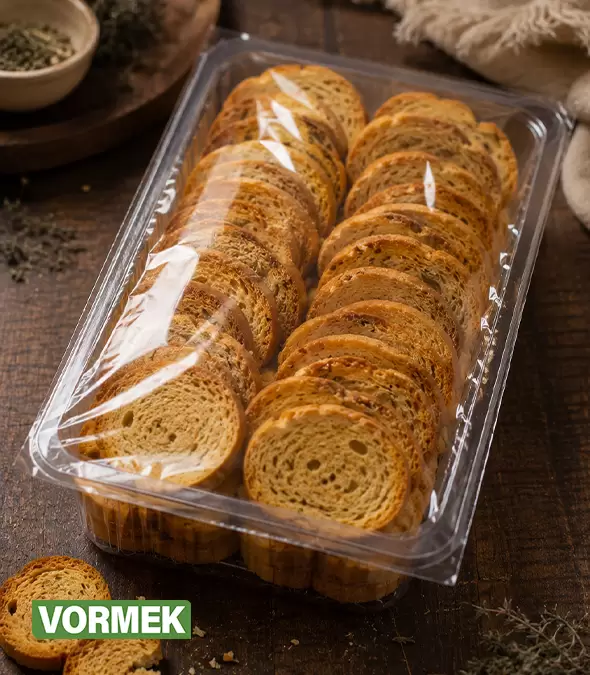
تُعد منتجات المخابز الطازجة من أكثر الأطعمة المحبوبة والمستهلكة على نطاق واسع في جميع أنحاء العالم. من الخبز الحرفي المقرمش وأرغفة الساندويتش الطرية إلى المعجنات الرقيقة والكعك والبسكويت، تمثل هذه المنتجات حجر الزاوية في ثقافة الغذاء العالمية. ومع ذلك، تقدم منتجات المخابز بعضاً من أكثر تحديات الحفظ تطلباً في صناعة الأغذية. فمحتواها المرتفع نسبياً من الرطوبة، وبنيتها المسامية، وقابليتها لكل من التلف الميكروبي والتقادم تخلق نافذة ضيقة للحفاظ على الجودة قبل أن يبدأ التدهور.
يحد العمر الافتراضي لمنتجات المخابز عاملان أساسيان: التلف الميكروبي، خاصة نمو العفن، والتقادم – التغيرات الفيزيائية والكيميائية التي تتسبب في فقدان المنتجات لصفات تناولها الطازج. كان يُعتقد قديماً أن التقادم ناتج فقط عن فقدان الرطوبة، ولكن من المفهوم الآن أنه يحدث بشكل أساسي بسبب ارتجاع النشا، حيث تعيد جزيئات النشا المبلمر ترتيبها وتتبلور بمرور الوقت. تبدأ هذه العملية فور الخبز وتستمر طوال التخزين، مما يؤدي إلى زيادة الصلابة، وفقدان المرونة، وتدهور الطعم والرائحة.
إلى جانب التلوث بالعفن، يمثل التقادم التحدي الأكبر لإطالة العمر الافتراضي ويمكن أن يكون له عواقب اقتصادية خطيرة على المخابز大规模. برز التغليف بالغازات المعدلة (MAP) كتقنية حاسمة لمواجهة هذه التحديات. تُظهر الأبحاث أن MAP يمكن أن يقلل من النمو الميكروبي ويطيل العمر الافتراضي لمنتجات المخابز عن طريق خلق بيئة تمنع كائنات التلف.
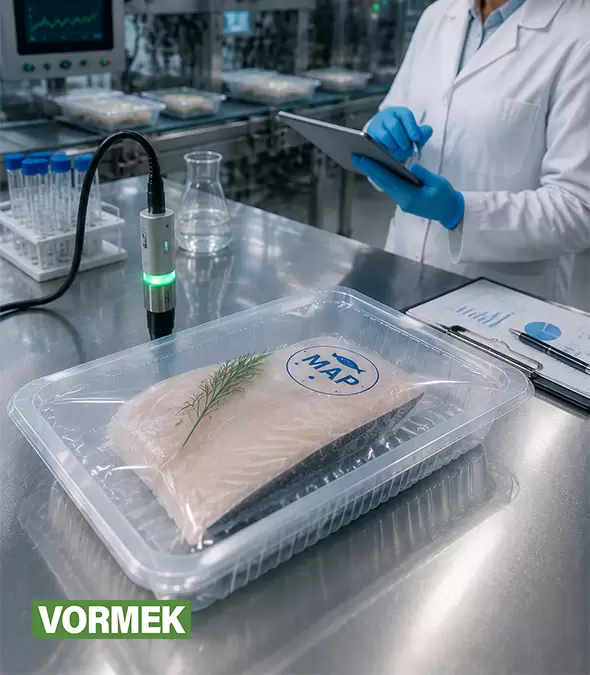
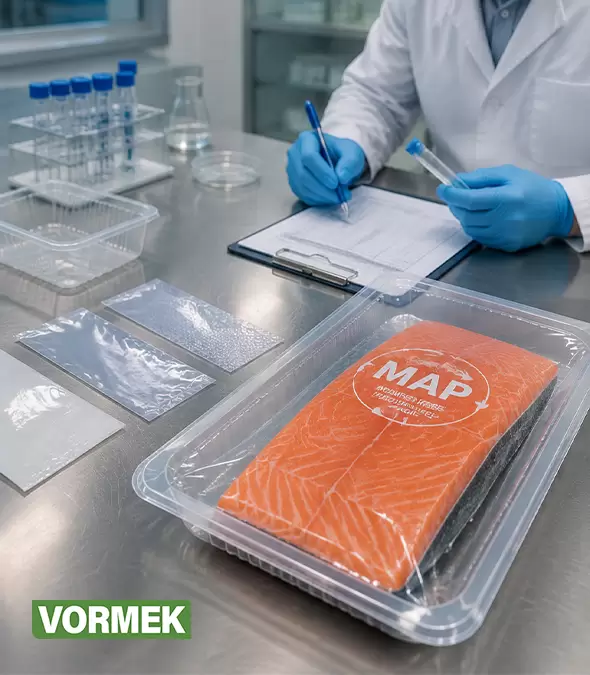
تتناول تقنيتان رئيسيتان للتغليف تحديات حفظ منتجات المخابز: التغليف بالتفريغ والتغليف بالغازات المعدلة (MAP). تعمل كلتاهما عن طريق تعديل البيئة الغازية حول المنتج، لكنهما تحققان ذلك من خلال آليات مختلفة جوهرياً. يزيل التغليف بالتفريغ الهواء تماماً، بينما يستبدل MAP الهواء بمزيج غاز محكوم – عادة ثاني أكسيد الكربون والنيتروجين – يتم اختياره خصيصاً لتثبيط نمو العفن وإبطاء الأكسدة.
بالنسبة لمصنعي المخابز الذين يسعون لتحسين عمليات التغليف الخاصة بهم، فإن فهم الفروق التقنية بين هذه الطرق، وتطبيقاتها المحددة، والمتطلبات الهندسية للتنفيذ الناجح أمر ضروري. يقدم هذا الدليل فحصاً شاملاً من منظور هندسي صناعي، بالاعتماد على البحث العلمي والخبرة العملية في التصنيع لمساعدتك على اتخاذ قرارات مستنيرة لخط الإنتاج الخاص بك.
الفصل الأول: فهم آليات التلف في منتجات المخابز
قبل فحص حلول التغليف، من الضروري فهم آليات التدهور المحددة التي تؤثر على منتجات المخابز. تحدد هذه الآليات نهج التغليف الذي سيكون أكثر فعالية لفئة منتج معينة.
التقادم: التدهور الفيزيائي الأساسي
يمثل التقادم التحدي الأكبر لإطالة العمر الافتراضي في منتجات المخابز. يتسبب في فقدان المخبوزات لنضارتها وصفات تناولها الأولية، ويتجلى في قوام خشن وجاف ومتفتت؛ وزيادة الصلابة والثبات؛ وتدهور الطعم والرائحة؛ وفقدان الرطوبة؛ وفقدان قرمشة القشرة؛ وتصلب القشرة.
الفهم العلمي للتقادم
لأكثر من 150 عاماً، كان يُعتقد أن التقادم ناتج فقط عن فقدان الرطوبة من المخبوزات. تم دحض هذه النظرية في النهاية، ويرتبط التقادم الآن بارتجاع أو إعادة تبلور جزيئات النشا – وهي عملية يمكن أن تحدث حتى بدون فقدان الماء من الفتات.
يبدأ التقادم فور خروج الخبز من الفرن. يبدأ النشا المبلمر في التبريد إلى درجة حرارة الغرفة والتصلب، مما يؤدي إلى الارتجاع وإعادة التنظيم الجزيئي. يعتبر ارتجاع الأميلوبكتين في الخبز عملية بطيئة ويعتقد أنها المساهم الرئيسي في التقادم أثناء التخزين. من ناحية أخرى، يرتجع الأميلوز بسرعة كبيرة أثناء تبريد الخبز – وهذا في الواقع ميزة في تقطيع الأرغفة دون انهيار المنتج.
دور الرطوبة في التقادم
بينما يعتبر ارتجاع النشا هو المحرك الأساسي، تلعب الرطوبة دوراً شائعاً ورئيسياً في جميع أنواع منتجات المخابز. تساهم هجرة الرطوبة من قلب المنتج إلى القشرة في تصلب القشرة وفقدان القرمشة. يلعب محتوى الرطوبة النهائي في المنتج المخبوز دوراً رئيسياً في تحديد مقبوليته الحسية وفي التحكم في استقرار المنتج أثناء التخزين. يعد نشاط الماء عنصراً مهماً في استقرار المخبوزات، حيث يساهم في كل من هجرة الرطوبة والاستقرار الميكروبي.
استراتيجيات تأخير التقادم
حددت الأبحاث عدة طرق لتقليل التقادم في منتجات المخابز:
**استراتيجيات التركيبة:**
* **المستحلبات (ملينات الفتات):** لا تنتج خبزاً طرياً طازجاً، ولكنها تبطئ معدل التصلب بمرور الوقت.
* **الأميلازات:** يمكن للأميلازات المالتوجينية تكسير النشا إلى ديكسترينات وسكريات. يمكن لهذه الأخيرة اختراق بنية حلزونية النشا وتثبيط عملية إعادة التنظيم.
* **الليبازات:** بدائل مستحلبات ذات ملصق نظيف تكسر الدهون لإنتاج أحادي وثنائي الجليسريد التي تعمل كملينات للفتات.
* **الغرويات المائية (الصمغ):** تربط وتحتفظ بالماء، وتمنع هجرة الرطوبة وتقلل من معدل التصلب.
* **الوصفات عالية السكر:** ترفع هذه التركيبات درجة حرارة التحول الزجاجي للنشا، مما يثبط إعادة تبلور الأميلوبكتين.
**استراتيجيات العملية:**
* **التغليف المناسب:** يقلل من فقدان الرطوبة من المنتج.
* **التجميد:** يوقف جميع التفاعلات الكيميائية والحركة الجزيئية، ويمنع النشا من التبلور بعد الخبز.
* **تحسين العملية:** يمكن لمتغيرات التبريد مثل الوقت ودرجة الحرارة والرطوبة النسبية أن تقلل من فقدان الماء المفرط وتبطئ معدل التقادم.
* **تحسين حجم المنتج:** تتعفن المنتجات الأكبر حجماً والأكثر سمكاً بمعدل أبطأ من المنتجات المسطحة والصغيرة.
التلف الميكروبي
غالباً ما يكون التلف الميكروبي هو العامل المحدد للعمر الافتراضي لمنتجات المخابز متوسطة وعالية الرطوبة. الجناة الأساسيون هم العفن والبكتيريا والخمائر.
نمو العفن
ينمو العفن عادة عند مستويات نشاط ماء أكبر من 0.8 وهو مشكلة متكررة في المخبوزات. تصبح المنتجات ملوثة عموماً بأبواغ العفن من البيئة أو من الإضافات مثل التزجيج بعد عملية الخبز. يمكن أن يقلل التغليف في أقرب وقت ممكن بعد الخبز من التلوث.
التلف البكتيري
“الحبل” الناتج عن Bacillus subtilis هو مشكلة شائعة في الخبز – يصبح الفتات متغير اللون ولزجاً بنكهة الشمام بسبب نمو البكتيريا. تتطلب البكتيريا عادة نشاط ماء مرتفع (0.94-0.99) وتقتصر على منتجات المخابز ذات المحتوى الرطوبي العالي.
تلف الخمائر
يحدث تلف الخمائر في المخبوزات متوسطة وعالية الرطوبة. النمو المرئي على أسطح المنتج نموذجي في المنتجات ذات نشاط الماء المرتفع والعمر الافتراضي القصير. التلف التخمري أكثر شيوعاً في منتجات انخفاض نشاط الماء مثل كعك الفاكهة ويظهر من خلال الروائح الكحولية وغيرها وإنتاج الغاز المرئي.
السيطرة على التلف الميكروبي
تشمل استراتيجيات منع التلف الميكروبي ما يلي:
* **مثبطات العفن:** يمكن أن تكون مثبطات عفن ذات ملصق نظيف أو مواد حافظة اصطناعية.
* **الرقم الهيدروجيني والحموضة:** خفض الرقم الهيدروجيني للمنتج النهائي باستخدام المحمضات أو تخميرات العجين الطويلة، مثل العجين المخمر والمخمرات المسبقة.
* **التنظيف والتعقيم:** تطبيق ممارسات التنظيف والتعقيم الجيدة على أسطح التلامس الحرجة مع المنتج. لا يمكن لأبواغ العفن البقاء على قيد الحياة في عملية الخبز، لذا فإن التعقيم هو المفتاح للسيطرة على نمو العفن أو إعادة تلوث المنتج بعد الخبز.
* **تطبيق مبادئ الـ HACCP:** نهج منهجي لإدارة سلامة الأغذية.
* **السيطرة على محتوى الماء:** التحكم في نشاط الماء ومحتوى الرطوبة من خلال ظروف الخبز والتبريد المثلى.
* **التغليف:** استخدام طرق ومواد تغليف مناسبة. يقلل MAP من نمو العفن ويزيد من العمر الافتراضي.
الأكسدة والنتانة
التلف الكيميائي شائع في منتجات المخابز عالية الدهون بسبب النتانة. يؤدي تحلل الدهون، سواء كان تأكسدياً أو مائياً، إلى إنتاج روائح ونكهات كريهة توصف غالباً بأنها تشبه السمك أو الكرتون.
تُستخدم مضادات الأكسدة مثل BHA و BHT لمنع التلف الكيميائي. تشمل البدائل ذات الملصق النظيف مستخلص إكليل الجبل، وحمض الأسكوربيك (فيتامين C)، والتوكوفيرول (فيتامين E). يمكن أن يكون MAP فعالاً أيضاً عن طريق تغيير تركيبة الغلاف الجوي حول المنتج، عادةً بمزيج من ثاني أكسيد الكربون والنيتروجين. يحد تقليل الأكسجين من الأكسدة ويبطئ النمو الميكروبي أيضاً.
تغيرات القوام وهجرة الرطوبة
بالإضافة إلى التقادم، تخضع منتجات المخابز لتغيرات أخرى في القوام ناتجة عن هجرة الرطوبة. يمكن أن يؤدي فقدان الرطوبة إلى التصلب أو الجفاف، وغالباً ما يظهر في الخبز. يمكن أن يؤدي اكتساب الرطوبة إلى تليين غير مرغوب فيه أو تكتل، كما هو الحال في خلطات الخبز. يمكن أن يساعد استخدام منتجات التغليف ذات حواجز الرطوبة والغاز الانتقائية في إطالة العمر الافتراضي عن طريق تقليل معدلات انتقال بخار الماء والأكسجين.
التدهور الحسي
يساعد التقييم الحسي لمنتجات المخابز في تحديد نقطة نهاية العمر الافتراضي. يتم مراقبة النكهات والقوام والروائح والألوان والمظهر على فترات محددة ويمكن مقارنتها بعينة تحكم. قد يكتشف المقيمون نكهات وروائح نتانة أو “غير طبيعية”، وقواماً صلباً، وألواناً داكنة أو مبيضة، أو تغيرات في المظهر.
الفصل الثاني: تقنية التغليف بالتفريغ لمنتجات المخابز
أسس هندسة التغليف بالتفريغ
يعمل التغليف بالتفريغ عن طريق إزالة الهواء الجوي من العبوة قبل الختم، مما يخلق بيئة منخفضة الأكسجين حول المنتج. تتضمن العملية وضع المنتج في مادة تغليف، وإخلاء الهواء لإنشاء فراغ، ثم إغلاق العبوة بإحكام.
بالنسبة لمنتجات المخابز، تشمل آليات الحفظ الأساسية ما يلي:
**استبعاد الأكسجين:** عن طريق إزالة الأكسجين، يثبط التغليف بالتفريغ نمو الكائنات الحية الدقيقة الهوائية، بما في ذلك العفن الذي يعتبر كائنات التلف الأساسية للعديد من منتجات المخابز. كما تبطئ البيئة منخفضة الأكسجين النتانة التأكسدية في عناصر المخابز عالية الدهون.
**الاحتفاظ بالرطوبة:** تساعد البيئة المغلقة في الاحتفاظ بالرطوبة عند مستويات مثالية، مما يمنع المنتج من الجفاف المفرط أو التقادم.
**مكافحة الحشرات:** يخلق إزالة الأكسجين بيئة قاتلة أو غير مناسبة لآفات التخزين الشائعة.
الدليل العلمي لفعالية التغليف بالتفريغ
أظهرت الأبحاث على كعكة الأرز (ddukgukdduk) أن التغليف بالتفريغ يقلل بشكل كبير من النمو الميكروبي مقارنة بالتغليف بالهواء. بعد 11 يوماً من التخزين عند 10 درجات مئوية، كان تعداد البكتيريا الهوائية الكلي في العينات المعبأة بالتفريغ 4.66 log CFU/g مقارنة بـ 6.66 log CFU/g في العينات المعبأة بالهواء.
أظهرت الأبحاث على عجين الفيلو أن التغليف بالتفريغ وحده مدد العمر الافتراضي من 6 أيام (عينة تحكم معبأة بالهواء) إلى 12 يوماً عند 4 درجات مئوية. عند دمجه مع عوامل مضادة للفطريات (الكيتوزان والنتامايسين)، تم تمديد العمر الافتراضي إلى 17 يوماً – امتداد بمقدار 11 يوماً مقارنة بالعينة الضابطة.
أدى الجمع بين التغليف بالتفريغ والكيتوزان والنتامايسين إلى تخفيضات كبيرة في الأنواع الميكروبية (الأعداد القابلة للحياة الكلية المتوسطة، والخمائر والعفن، والبكتيريا المحبة للبرودة، وبكتيريا حمض اللاكتيك، والبكتيريا المعوية، والمكورات المعوية) بمقدار 1 إلى 3 log CFU/g في اليوم الأخير من التخزين.
قيود التغليف بالتفريغ لمنتجات المخابز
بينما يعتبر التغليف بالتفريغ فعالاً للعديد من تطبيقات المخابز، فإن له قيوداً مهمة:
**تشوه المنتج:** يمكن لقوى الضغط الناتجة عن التغليف بالتفريغ أن تتلف منتجات المخابز الحساسة. وجدت الأبحاث على كعكة العسل أن معاملة التفريغ تسببت في تصلب الكعكة بشكل كبير، مما قد يؤثر سلباً على قوامها ومقبوليتها لدى العملاء. من المهم التحكم بعناية في الضغط المطبق بواسطة آلة التفريغ لتجنب التأثير السلبي على القوام.
**تشقق المنتج:** أظهرت الأبحاث على كعكة الأرز أن التغليف بالتفريغ تسبب في تشقق المنتج. هذا مصدر قلق خاص للعناصر الهشة أو المتفتتة من المخابز.
**الانهيار الهيكلي:** قد تنهار المنتجات الناعمة والهوائية مثل كعك الإسفنج تحت ضغط التفريغ.
اعتبارات المعدات للتغليف بالتفريغ
آلات غرفة التفريغ
لعمليات المخابز الأصغر حجماً، توفر آلات غرفة التفريغ مرونة وأداءً ثابتاً. تضع هذه الأنظمة العبوة بأكملها داخل غرفة محكمة، وتخلق الفراغ، ثم تغلق العبوة. إنها مناسبة للمنتجات التي تتطلب مناولة لطيفة ومتوفرة بأحجام مختلفة لاستيعاب أحجام الإنتاج المختلفة.
آلات التشكيل الحراري
تشكل أنظمة التغليف بالتفريغ بالتشكيل الحراري الشبكة السفلية في تجاويف، وتملأ بالمنتج، وتطبق فيلماً علوياً، ثم تخلق التفريغ وتغلق في ظل ظروف الفراغ. تقدم هذه الأنظمة سرعات إنتاج عالية مناسبة للتصنيع على نطاق واسع وعرض منتج ممتاز من خلال أشكال التجاويف المخصصة.
توفر مجموعة آلات التشكيل الحراري من Vormek حلولاً شاملة لمصنعي المخابز الذين يحتاجون إلى تغليف بالتفريغ عالي السرعة مع تحكم دقيق في العملية. تتضمن هذه الأنظمة تكنولوجيا ختم متقدمة وميزات تصميم صحي ضرورية لبيئات تصنيع الأغذية.
التغليف الجلدي
يسحب التغليف الجلدي – وهو شكل متخصص من التغليف بالتفريغ – فيلماً ساخناً بإحكام فوق المنتج وركيزة مسامية، مما يخلق تأثير “الجلد الثاني”. يوفر هذا النهج عرضاً استثنائياً للمنتج مع الحفاظ على الفوائد الوقائية للتغليف بالتفريغ. بالنسبة لمنتجات المخابز غير المنتظمة الشكل، يقدم التغليف الجلدي جاذبية بصرية فائقة ونفايات تغليف أقل.
متطلبات مواد التغليف
**حاجز الرطوبة:** تتطلب منتجات المخابز مواد تغليف ذات خصائص حاجز بخار ماء مناسبة لمنع فقدان أو امتصاص الرطوبة. توفر الأفلام المعدنية حماية أفضل للرطوبة بشكل ملحوظ من البدائل غير المعدنية.
**حاجز الأكسجين:** للتغليف بالتفريغ، توفر الأفلام عالية الحاجز التي تتضمن طبقات EVOH أو الألومنيوم حماية الأكسجين الأساسية للحفاظ على البيئة منخفضة الأكسجين.
**مقاومة الثقب:** يمكن لقوى الضغط الناتجة عن التغليف بالتفريغ أن تجهد فيلم التغليف، خاصة عند تعبئة المنتجات ذات الحواف الحادة. الأفلام متعددة الطبقات ذات المقاومة الجيدة للثقب ضرورية.
**سلامة الختم:** يجب أن يشكل الفيلم أختاماً محكمة تحافظ على سلامة الفراغ طوال العمر الافتراضي للمنتج. يمكن أن يعرض التلوث في منطقة الختم جودة الختم للخطر.
الفصل الثالث: التغليف بالغازات المعدلة (MAP) لمنتجات المخابز
المبادئ التقنية لـ MAP
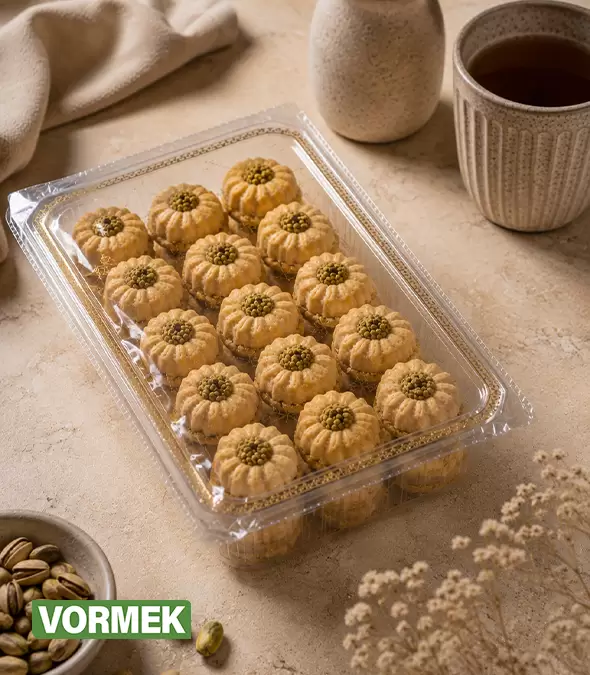
يتضمن التغليف بالغازات المعدلة (MAP) استبدال الهواء داخل العبوة بمزيج غاز محكوم يتم اختياره خصيصاً لإبطاء تدهور المنتج المعبأ. على عكس التغليف بالتفريغ، الذي يزيل الهواء دون إدخال غازات بديلة، يدير MAP بنشاط البيئة الغازية لتحقيق ظروف حفظ مثالية.
بالنسبة لمنتجات المخابز، يقدم MAP حلاً بسيطاً للعديد من تحديات الحفظ:
* مكافحة تطور العفن الذي يغزو سطح المنتجات بعد بضعة أيام
* الحفاظ المستدام على صفات الطعم للمنتجات الحساسة بشكل خاص للأكسدة
* تقليل استخدام الإضافات الكيميائية دون المخاطرة بتقليل العمر الافتراضي
منتجات المخابز والبسكويت والمعجنات هي منتجات “متوسطة الرطوبة” تخضع للتطور الميكروبي، خاصة العفن. يعتبر ثاني أكسيد الكربون غازاً رئيسياً لهذه المنتجات – فهو يعمل كغاز “نشط” ذو تأثيرات بكتيرية وفطرية، مما يبطئ تطور العفن عن طريق الذوبان في ماء ودهون المنتج عندما يكون بتركيز أكبر من 20٪.
النيتروجين محايد كيميائياً ويكمل ثاني أكسيد الكربون لحماية المنتج من الأكسدة وتوفير تأثير “الوسادة” في التغليف، مما يمنع سحق المنتج.
الدليل العلمي لفعالية MAP
أظهرت الأبحاث باستمرار فوائد MAP لمنتجات المخابز. أظهرت دراسة على كعكة الأرز (ddukgukdduk) أن تغليف 100٪ CO₂ يقلل بشكل كبير من النمو الميكروبي. بعد 11 يوماً عند 10 درجات مئوية:
* البكتيريا الهوائية الكلية: 4.96 log CFU/g (100٪ CO₂) مقابل 6.41 log CFU/g (تحكم بالهواء)
* الخمائر والعفن: 3.43 log CFU/g (100٪ CO₂) مقابل 6.66 log CFU/g (تحكم بالهواء)
كانت الجودة الحسية الأسوأ في عينة التحكم المعبأة بالهواء بعد 8 أيام من التخزين. حسنت جميع مجموعات المعالجة باستثناء مجموعة التحكم من الحفاظ على الجودة. ومع ذلك، لوحظ أن CO₂ انخفض من 98٪ الأولية إلى 36٪ على مدى 11 يوماً، ويعزى ذلك إلى ذوبان CO₂ في المنتج وتقليل حجم العبوة.
وجدت الأبحاث على كعكة Baumkuchen أن معالجات 70٪ و 100٪ CO₂ كانت فعالة في تقليل النمو الميكروبي خلال 5 أيام من التخزين عند 30 درجة مئوية:
* البكتيريا الهوائية الكلية بعد 5 أيام: 6.02-6.20 log CFU/g (معالجات CO₂) مقابل 6.94 log CFU/g (تحكم مملوء بالهواء)
* الخمائر والعفن بعد يومين: 2.64-2.66 log CFU/g (معالجات CO₂) مقابل 3.65 log CFU/g (تحكم مملوء بالهواء)
طرق إدارة الغاز في MAP
شطف الغاز
يتضمن شطف الغاز حقن مزيج الغاز المطلوب في العبوة مع السماح للهواء الموجود بالإزاحة. هذه الطريقة شائعة الاستخدام لمنتجات المخابز حيث يكون التعديل السريع للغلاف الجوي مرغوباً. تعتمد فعالية شطف الغاز على معدل تدفق الغاز، وهندسة العبوة، وكثافة المنتج، وتوقيت الختم.
تبادل الغاز (بمساعدة التفريغ)
تطبق طريقة تبادل الغاز أولاً تفريغاً لإزالة الهواء من العبوة، ثم تقدم مزيج الغاز المطلوب. يحقق هذا النهج مستويات أكسجين متبقية أقل من شطف الغاز وحده وهو مناسب للمنتجات التي تتطلب تركيزات أكسجين منخفضة جداً.
الاعتبارات الهندسية لتصميم MAP
**خصائص المنتج:** لكل نوع من منتجات المخابز متطلبات حفظ محددة بناءً على محتواه من الرطوبة، ونشاط الماء، والمسامية، وقابلية نمو العفن. منتجات العجين هي منتجات “متوسطة الرطوبة”، ويعتمد مزيج الغاز المناسب على مستوى رطوبة المنتج والفلورا الميكروبية الذاتية.
**نفاذية الفيلم:** يجب أن يوفر فيلم التغليف خصائص حاجز غاز مناسبة للحفاظ على تركيبة الغاز المطلوبة. لفعالية MAP، هناك أربعة عناصر أساسية مطلوبة:
* اختيار مناسب للغلاف الجوي الواقي
* مادة تغليف واقية (فيلم، صينية) ذات خصائص حاجز غاز
* آلة تغليف مناسبة (تفريغ معوض أو شطف غاز)
* نظافة صحيحة وإعداد دقيق
**حجم العبوة:** يؤثر حجم المساحة الهوائية نسبة إلى وزن المنتج على استقرار تركيز الغاز. المساحة الهوائية الكافية ضرورية للحفاظ على الغلاف الجوي الواقي، خاصة للمنتجات التي تمتص CO₂.
**إدارة درجة الحرارة:** تؤثر درجة الحرارة على كل من تدهور المنتج وفعالية الغلاف الجوي المعدل. يكون MAP أكثر فعالية عند دمجه مع ظروف درجة حرارة مناسبة.
ظروف MAP النموذجية لمنتجات المخابز
بالنسبة لمنتجات العجين، يوصى عادة بمخاليط الغاز التالية:
* **الخبز:** 100٪ N₂ (1-3 أشهر في درجة حرارة الغرفة)
* **الخبز شبه المخبوز:** 10٪ CO₂ + 90٪ N₂ (3 أشهر في درجة حرارة الغرفة)
* **الكريب:** 50٪ CO₂ + 50٪ N₂
* **البريوش:** 50٪ CO₂ + 50٪ N₂
* **الكرواسان:** 60٪ CO₂ + 40٪ N₂
* **خبز بالشوكولاتة:** 70٪ CO₂ + 30٪ N₂
* **المادلين:** 100٪ N₂ (2-3 أشهر في درجة حرارة الغرفة)
(ملاحظة: هذه إرشادات عامة ويجب تخصيصها وفقاً لتركيبات المنتج المحددة وعمليات الإنتاج.)
الفصل الرابع: التحليل المقارن لتقنيات التفريغ و MAP
متى تختار التغليف بالتفريغ
يكون التغليف بالتفريغ عادة الخيار المفضل لـ:
* المنتجات التي تتطلب إزالة أكسجين كاملة
* التطبيقات التي تكون فيها قوى الضغط مقبولة
* المنتجات عالية القابلية للأكسدة مثل المعجنات عالية الدهون
* التطبيقات الحساسة للتكلفة حيث تكون المعدات الأبسط وتكاليف التشغيل المنخفضة مرغوبة
أظهرت الأبحاث أن التغليف بالتفريغ يقلل بشكل فعال من النمو الميكروبي في منتجات المخابز. ومع ذلك، فإن التحكم الدقيق في ضغط التفريغ ضروري لتجنب تشوه المنتج.
متى تختار MAP
يكون MAP عموماً الخيار الأفضل لـ:
* المنتجات الحساسة المعرضة لتلف الضغط
* المنتجات التي تتطلب تركيبات غازية محددة تتجاوز مجرد إزالة الأكسجين
* التطبيقات التي يكون فيها الإجراء المضاد للميكروبات من CO₂ مفيداً للسيطرة على العفن
* المنتجات التي يكون فيها العرض البصري مهماً
* المنتجات عالية المسامية مثل الخبز والكعك حيث يصعب إزالة الأكسجين
أظهرت الأبحاث أن MAP مع CO₂ فعال بشكل خاص لمنتجات المخابز، حيث تعمل معالجات 70٪ و 100٪ CO₂ على تقليل النمو الميكروبي بشكل فعال. تجعل التأثيرات البكتيرية والفطرية لـ CO₂ مثالية للسيطرة على العفن في منتجات الرطوبة المتوسطة.
النهج الهجين: MAP بمساعدة التفريغ
غالباً ما تجمع آلات التغليف الحديثة بين تقنيات التفريغ و MAP لتحقيق نتائج حفظ مثلى. تستخدم آلات التشكيل الحراري بشكل متكرر تسلسلاً حيث يتم إخلاء الهواء أولاً من تجويف العبوة، ثم يتم إدخال مزيج الغاز المطلوب قبل الختم. يمكن لهذا النهج “MAP بمساعدة التفريغ” تحقيق مستويات أكسجين متبقية منخفضة جداً مع توفير الفوائد المضادة للميكروبات من CO₂.
جدول المقارنة التقنية
الفصل الخامس: اختيار مواد التغليف لمنتجات المخابز
خصائص الحاجز وأداء الفيلم
يعد اختيار مواد التغليف المناسبة أمراً بالغ الأهمية لنجاح كل من تطبيقات التفريغ و MAP. تتمتع منتجات المخابز بمتطلبات حاجز متنوعة اعتماداً على خصائصها المحددة.
دور النفاذية
تختلف متطلبات المنتجات المختلفة بشكل كبير لخصائص حاجز بخار الماء والأكسجين. على سبيل المثال، يحتاج البسكويت والرقائق عادة فقط إلى منع دخول الرطوبة، بينما تحتاج كعك الإسفنج المحشو بالفاكهة إلى الاحتفاظ بالرطوبة. تحتاج العديد من المنتجات الشبيهة بالخبز إلى شيء مختلف جداً على الرغم من الحاجة إلى استبعاد الرطوبة، غالباً ما يحتاج الأكسجين إلى وصول حر.
أنواع الأفلام الرئيسية لمنتجات المخابز
**أفلام CPP المعدنية:** تحتوي هذه الأفلام على طبقة رقيقة من المعدن (عادة الألومنيوم) مترسبة على السطح، مما يعزز خصائص الحاجز ضد الرطوبة والغازات مع توفير مظهر لامع.
الميزات الرئيسية لتطبيقات المخابز:
* حاجز عالي للأكسجين والرطوبة والضوء
* حاجز جيد للرائحة والنكهة
* قوة ختم ممتازة
* مناسب للبسكويت والكوكيز والمقرمشات والحلويات
**أفلام OPP (البولي بروبيلين الموجه):** تقدم هذه الأفلام أداء حاجز ممتاز وهي مناسبة لتطبيقات المخابز:
* قابلية تصنيع قوية
* حاجز رطوبة ممتاز
* حاجز أكسجين ممتاز
* حاجز نكهة ورائحة ممتاز
تشمل التطبيقات منتجات المخابز والبسكويت والكوكيز والمقرمشات وتغليف الصناديق.
**الأفلام عالية الحاجز مع EVOH:** للتطبيقات التي تتطلب أعلى مستوى من حاجز الأكسجين، توفر الأفلام التي تتضمن طبقات EVOH حماية ممتازة.
اعتبارات المواد لـ MAP
لتطبيقات MAP، يجب أن توفر مادة التغليف خصائص حاجز غاز كافية للحفاظ على الغلاف الجوي الواقي. يجب أن يحتوي الفيلم على:
* اختيار مناسب للغلاف الجوي الواقي
* مادة تغليف واقية ذات خصائص حاجز غاز
* آلة تغليف مناسبة
* نظافة صحيحة وإعداد دقيق
اعتبارات الاستدامة
مع تزايد أهمية الاستدامة، يجب على مهندسي التغليف النظر في الخيارات القابلة لإعادة التدوير وأحادية المادة التي تلبي متطلبات الأداء مع دعم أهداف الاقتصاد الدائري. تشمل الابتكارات الأخيرة:
* أفلام PE أحادية المادة مع طلاءات حاجز عالية
* أفلام PET و PP قابلة لإعادة التدوير
* صواني الورق المقوى مع بطانات حاجز تقلل من محتوى البلاستيك
الفصل السادس: اختيار المعدات لتغليف المخابز
آلات ختم الصواني
آلات ختم الصواني مناسبة للمنتجات المعبأة في صواني مسبقة التشكيل وتقدم:
* تحكم دقيق في تركيبة مزيج الغاز
* مستويات أكسجين متبقية متسقة
* إنتاجية عالية
* تغيير سريع بين تنسيقات الصواني المختلفة
بالنسبة لمنتجات المخابز، يمكن لآلات ختم الصواني استيعاب مواد صواني مختلفة بما في ذلك PET و PP والخيارات القابلة للتحلل. تدمج حلول ختم الصواني من Vormek تكنولوجيا التحكم في الغاز المتقدمة مع الهندسة الصناعية القوية، مما يحقق نتائج متسقة في بيئات الإنتاج الصعبة.
آلات التشكيل الحراري
تشكل آلات التشكيل الحراري الشبكة السفلية في تجاويف، وتملأ بالمنتج، وتطبق فيلماً علوياً، وتخلق التفريغ، وتدخل مزيج الغاز المطلوب، ثم تغلق. توفر هذه الأنظمة:
* تكامل كامل للتشكيل والتعبئة وإدارة الغاز
* خصائص حاجز غاز ممتازة من خلال التغليف المشكل
* كفاءة إنتاجية عالية للعمليات واسعة النطاق
* مرونة لأشكال وأحجام المنتجات المختلفة
آلات التغليف باللف
للتغليف الأفقي عالي السرعة لمنتجات المخابز، يعد التغليف باللف حلاً شائعاً. تسمح سلسلة SP من ACMA بتغليف السرعة المتوسطة والعالية للمنتجات الفردية أو متعددة العبوات بختم بارد أو ساخن. يمكن لهذه الأنظمة التعامل مع:
* منتجات المخابز والحلويات
* تنسيقات فردية أو متعددة العبوات
* تطبيقات الختم البارد أو الساخن
* سرعات تصل إلى 120 متراً من الفيلم في الدقيقة
ميزات المعدات لتطبيقات المخابز
**التصميم الصحي:** يجب أن تُبنى المعدات ببناء كامل من الفولاذ المقاوم للصدأ للامتثال للوائح سلامة الأغذية العالمية الصارمة ومتطلبات HACCP. المواد المقاومة للتآكل ضرورية للحفاظ على معايير النظافة.
**التحكم الدقيق في الغاز:** تضمن تكنولوجيا جرعات الغاز المتقدمة مستويات غاز دقيقة في كل عبوة، مما يحمي من الأكسدة، وتلف الرطوبة، والتلف.
**مناولة لطيفة للمنتج:** غالباً ما تكون منتجات المخابز حساسة وتتطلب مناولة لطيفة لمنع التلف. يجب تصميم المعدات لتقليل إجهاد المنتج أثناء التغليف.
**التغيير السريع:** يقلل التغيير السريع بين تنسيقات العبوات المختلفة من وقت التوقف ويزيد الكفاءة الإجمالية.
اعتبارات كفاءة الإنتاج
**متطلبات الإنتاجية:** مطابقة قدرة المعدات مع متطلبات الإنتاج. يمكن للآلات عالية السرعة العمل بمعدل 5-12 دورة في الدقيقة مع أداء ثابت، حتى في بيئات المعالجة عالية الكثافة.
**وقت التغيير:** يقلل التغيير السريع بين تنسيقات العبوات المختلفة من وقت التوقف ويزيد الكفاءة الإجمالية. يتيح التصميم المعياري تعديلات سريعة لأحجام وأنماط التغليف المختلفة.
**الصيانة الوقائية:** برنامج صيانة وقائية شامل ضروري للموثوقية التشغيلية. يشمل ذلك الفحص والتزييت المجدولين، واستبدال مكونات التآكل، ومعايرة أجهزة الاستشعار وأنظمة التحكم.
الفصل السابع: تحديات التغليف الشائعة والحلول
التحدي 1: تشوه المنتج تحت التفريغ
**الأعراض:**
* منتجات مسحوقة أو مشوهة
* فقدان شكل المنتج
* انخفاض جاذبية المستهلك
**الأسباب الجذرية:**
* ضغط تفريغ مفرط
* قوة هيكلية غير كافية للمنتج
* طريقة تغليف غير مناسبة
**الحلول:**
* النظر في MAP بدلاً من التفريغ للمنتجات الحساسة
* تقليل ضغط التفريغ
* استخدام التغليف الجلدي للضغط الأكثر لطفاً
* استخدام صواني صلبة لدعم المنتج
التحدي 2: نمو العفن
**الأعراض:**
* عفن مرئي على سطح المنتج
* روائح كريهة
* عمر افتراضي قصير
**الأسباب الجذرية:**
* تركيبة غلاف جوي غير مناسبة
* تركيز CO₂ غير كافٍ
* إعادة تلوث المنتج بعد الخبز
* ممارسات نظافة سيئة
**الحلول:**
* استخدام MAP مع تركيز CO₂ مناسب
* تنفيذ ممارسات التعقيم على أسطح تلامس المنتج
* التغليف في أقرب وقت ممكن بعد الخبز
* استخدام عوامل مضادة للفطريات حسب الاقتضاء
التحدي 3: التقادم
**الأعراض:**
* زيادة الصلابة والثبات
* فقدان المرونة
* تدهور الطعم والرائحة
**الأسباب الجذرية:**
* ارتجاع النشا
* هجرة الرطوبة
* تغليف غير كافٍ
**الحلول:**
* استخدام تغليف يحتفظ بالرطوبة
* النظر في استراتيجيات التركيبة (المستحلبات، الأميلازات)
* تحسين ظروف التبريد
* تجميد المنتجات عند الاقتضاء
التحدي 4: مشاكل سلامة الختم
**الأعراض:**
* عبوات متسربة
* فقدان الغلاف الجوي الواقي
* تدهور المنتج المبكر
**الأسباب الجذرية:**
* تلوث في منطقة الختم (تلوث بالفتات أو الدهون)
* درجة حرارة أو ضغط ختم غير متسقين
* اختيار فيلم غير مناسب
**الحلول:**
* تنفيذ اختبار جودة ختم منتظم
* صيانة معدات الختم بشكل صحيح
* اختيار أفلام مصممة للختم من خلال التلوث
التحدي 5: امتصاص الغاز بواسطة المنتج
**الأعراض:**
* انهيار العبوة
* فقدان الغلاف الجوي الواقي
* عمر افتراضي منخفض
**الأسباب الجذرية:**
* ذوبان CO₂ في رطوبة المنتج
* تركيز غاز أولي غير كافٍ
* مزيج غاز غير مناسب
**الحلول:**
* استخدام تركيز CO₂ أولي أعلى
* النظر في N₂ للمنتجات ذات الامتصاص العالي للرطوبة
* مراقبة وضبط مزيج الغاز حسب الحاجة
الفصل الثامن: الاتجاهات الناشئة في تغليف المخابز
حلول التغليف المستدامة
يقود طلب المستهلكين على التغليف المستدام الابتكار في المواد والمعدات لمنتجات المخابز. تشمل التطورات الرئيسية:
**بدائل الورق المقوى:** صواني الورق المقوى مع بطانات حاجز تقلل من محتوى البلاستيك مع الحفاظ على الأداء أصبحت متاحة على نطاق أوسع.
**الأفلام القابلة لإعادة التدوير وأحادية المادة:** الأفلام متعددة الطبقات التي تحافظ على أداء الحاجز مع كونها قابلة لإعادة التدوير من خلال تيارات النفايات الحالية أصبحت متاحة بشكل متزايد.
**الأفلام القابلة للتحلل:** يستمر البحث في المواد القابلة للتحلل في التقدم، مع تطبيقات محتملة لتغليف المخابز.
**تقليل التغليف:** تحسين استخدام المواد دون المساس بالحماية يقلل النفايات ويدعم أهداف الاستدامة.
دمج التغليف الذكي
يتزايد دمج ميزات التغليف الذكي في قطاع المخابز:
* مؤشرات النضارة: أجهزة استشعار تشير إلى نضارة المنتج للمستهلكين
* مراقبة درجة الحرارة: أنظمة تتتبع التعرض لدرجة الحرارة أثناء التوزيع
* علامات RFID: تحديد الترددات الراديوية لتحسين التتبع طوال سلسلة التوريد
* رموز QR: روابط رقمية لمعلومات المنتج وبيانات التتبع
الأتمتة والصناعة 4.0
أصبحت معدات التغليف أكثر اندماجاً مع أنظمة التصنيع الرقمية:
* الصيانة التنبؤية: أنظمة تتنبأ باحتياجات الصيانة قبل حدوث الفشل
* مراقبة العمليات في الوقت الفعلي: أجهزة استشعار توفر تغذية راجعة فورية عن جودة التغليف
* مراقبة الجودة المتكاملة: أنظمة فحص آلية ترفض العبوات المعيبة
* تحليل البيانات: أنظمة تجمع وتحلل بيانات الإنتاج للتحسين المستمر
الاستجابة لطلب المستهلكين على النضارة
تدفع تفضيلات المستهلكين لمنتجات المخابز الطازجة الابتكار:
* التغليف القابل للإعادة الإغلاق: ميزات تسمح للمستهلكين بإعادة إغلاق العبوات بعد الفتح
* أحجام حصص أصغر: زيادة الطلب على تنسيقات الحصة الواحدة والراحة
* التغليف المتميز: عرض بصري محسن للمنتجات ذات القيمة المضافة
* تغليف الملصق النظيف: تقليل الإضافات مع الحفاظ على العمر الافتراضي
تم تصميم حلول التغليف من Vormek بمرونة لاستيعاب متطلبات السوق المتطورة هذه، مع أنظمة معيارية تتكيف مع أحجام العبوات المختلفة، وتنسيقات الصواني، وطرق التغليف المختلفة.
الفصل التاسع: استراتيجية التنفيذ لترقيات تكنولوجيا التغليف
تقييم وضعك الحالي
قبل الاستثمار في معدات تغليف جديدة، قم بإجراء تقييم شامل لعملياتك الحالية:
تحليل المنتج
* ما هي متطلبات الحفظ المحددة لمنتجاتك؟
* هل أنت معني بشكل أساسي بنمو العفن أم التقادم؟
* ما هي مستويات نشاط الماء ومحتوى الرطوبة المثلى؟
* ما هي أهداف العمر الافتراضي المطلوبة لسوقك؟
تحليل الإنتاج
* ما هي أحجام الإنتاج الحالية وتوقعات النمو؟
* ما مقدار مرونة التغيير المطلوبة؟
* ما هي قيود العمالة والتشغيل لديك؟
التحليل المالي
* ما هي ميزانيتك للاستثمار الرأسمالي؟
* ما هو العائد المتوقع على الاستثمار من تحسين العمر الافتراضي؟
* ما هي الوفورات التشغيلية التي يمكن تحقيقها؟
تطوير دراسة الجدوى
يجب أن تتضمن دراسة الجدوى المقنعة للاستثمار في تكنولوجيا التغليف:
فوائد الجودة
* عمر افتراضي ممتد للمنتج من خلال تقليل العفن والتقادم
* تقليل هدر المنتج والمرتجعات
* تعزيز سمعة العلامة التجارية
الفوائد التشغيلية
* زيادة كفاءة الإنتاج
* تقليل وقت التوقف
* تبسيط عمليات التغيير
الفوائد المالية
* تقليل تكاليف مواد التغليف
* انخفاض تكاليف النقل
* زيادة الطاقة الإنتاجية
معايير اختيار المعدات
عند اختيار معدات التغليف لمنتجات المخابز، ضع في اعتبارك:
متطلبات الأداء
* معدلات الإنتاجية المستهدفة
* مرونة التغليف المطلوبة
* معايير الجودة ومتطلبات المراقبة
متطلبات التكامل
* التوافق مع خطوط الإنتاج الحالية
* التكامل مع المعدات الأولية والنهائية
* تكامل نظام التحكم
متطلبات الدعم
* توفر الدعم الفني
* متطلبات التدريب
* توفر قطع الغيار
التخطيط للتنفيذ
يتطلب التنفيذ الناجح تخطيطاً دقيقاً:
التحضير قبل التركيب
* تحضير الموقع ومتطلبات المرافق
* التحضير لتدريب المشغلين
* جدولة الإنتاج لتقليل الاضطراب
التركيب والتشغيل الأولي
* تركيب المعدات
* التكامل مع الأنظمة الحالية
* الاختبار والتحقق
التحسين والتحسين المستمر
* مراقبة الأداء وتحسينه
* تطوير مهارات المشغلين
* عمليات التحسين المستمر
توفر Vormek دعماً شاملاً للتنفيذ، من التقييم الأولي عبر التركيب والتحسين، مما يضمن اعتماداً ناجحاً لتكنولوجيا التغليف الجديدة.
جدول المقارنة التقنية: قدرات المعدات لمنتجات المخابز
الأسئلة الشائعة
هل يمكن استخدام التغليف بالتفريغ لجميع أنواع منتجات المخابز؟
التغليف بالتفريغ غير مناسب لجميع منتجات المخابز. قد تتلف المنتجات الحساسة مثل كعك الإسفنج والخبز الطري والكرواسان بفعل قوى الضغط. أظهرت الأبحاث أن التغليف بالتفريغ يمكن أن يسبب تشققاً في كعك الأرز وتصلباً كبيراً في كعك العسل. يوصى عادة بـ MAP للمنتجات الهشة حيث يكون الحفظ دون ضغط فيزيائي مطلوباً.
كيف يمنع MAP نمو العفن في منتجات المخابز؟
يستخدم MAP ثاني أكسيد الكربون، الذي يمتلك تأثيرات بكتيرية وفطرية. يبطئ CO₂ تطور العفن عن طريق الذوبان في ماء ودهون المنتج عندما يكون بتركيز أكبر من 20٪. أظهرت الأبحاث أن معالجات 70٪ و 100٪ CO₂ فعالة في تقليل النمو الميكروبي. يجب الحفاظ على تركيز CO₂ في العبوة لتوفير حماية مستمرة.
ما هو الفرق بين التغليف بالتفريغ و MAP لمنتجات المخابز؟
يزيل التغليف بالتفريغ الهواء من العبوة، مما يحد من الأكسجين ويبطئ الأكسدة ولكن يطبق قوى ضغط. يستبدل MAP الهواء بمزيج غاز، عادة CO₂ و N₂، مما يوفر حماية مضادة للميكروبات مع تجنب تلف الضغط. يفضل MAP عموماً لمنتجات المخابز الحساسة حيث يجب الحفاظ على سلامة المنتج.
ما الذي يسبب التقادم في منتجات المخابز وكيف يمكن للتغليف أن يساعد؟
يحدث التقادم في المقام الأول بسبب ارتجاع النشا – إعادة تبلور جزيئات النشا بمرور الوقت. بينما يمكن لاستراتيجيات التركيبة مثل المستحلبات والأميلازات أن تبطئ التقادم، يلعب التغليف المناسب دوراً حاسماً عن طريق تقليل فقدان الرطوبة من المنتج. تساعد أفلام حاجز الرطوبة العالية في الحفاظ على محتوى رطوبة المنتج، مما يبطئ عملية التقادم.
كيف يؤثر نوع منتج المخابز على اختيار طريقة التغليف؟
تستفيد المنتجات عالية الدهون مثل المعجنات من إزالة الأكسجين لمنع النتانة. تخدم المنتجات الحساسة مثل الكعك والكرواسان بشكل أفضل بواسطة MAP لتجنب تلف الضغط. يستفيد الخبز عالي المسامية من MAP مع CO₂ للسيطرة على العفن و N₂ لمنع الانهيار. يؤثر مستوى نشاط الماء للمنتج، ومحتوى الرطوبة، والسلامة الهيكلية جميعها على نهج التغليف الأمثل.
هل يمكن تصميم معدات التغليف للتبديل بين أوضاع التفريغ و MAP؟
غالباً ما تقدم معدات التشكيل الحراري وختم الصواني الحديثة المرونة للعمل في وضع التفريغ أو MAP، مما يسمح للمصنعين بالتكيف مع متطلبات المنتج المختلفة. تم تصميم معدات Vormek بأنظمة معيارية تمكن من التبديل بين أوضاع التغليف مع الحد الأدنى من وقت التغيير.
كيف تؤثر درجة الحرارة على فعالية التغليف لمنتجات المخابز؟
تؤثر درجة الحرارة على كل من تدهور المنتج وفعالية الغلاف الجوي المعدل. بالنسبة لـ MAP، تزداد قابلية ذوبان CO₂ في درجات الحرارة المنخفضة، مما يمكن أن يؤثر على تركيبة الغلاف الجوي داخل العبوة. الحفاظ على درجات حرارة تخزين مناسبة طوال سلسلة التبريد ضروري لتحقيق العمر الافتراضي الأمثل. أظهرت الأبحاث أن الجمع بين MAP والتخزين بدرجات حرارة منخفضة يوفر أفضل النتائج.
ما هي أنظمة المراقبة المهمة لضمان جودة التغليف؟
أنظمة المراقبة المتكاملة ضرورية للحفاظ على جودة التغليف. يمكن لهذه الأنظمة اكتشاف الانحرافات عن ظروف التشغيل المثلى، مثل تقلبات درجة الحرارة، أو تغيرات الضغط، أو تقلبات تركيز الغاز، وتنبيه المشغلين إلى المشاكل المحتملة قبل أن تعرض سلامة المنتج أو جودته للخطر. تمكن المراقبة في الوقت الفعلي أيضاً من جمع البيانات لمبادرات التحسين المستمر.
هل يمكن لـ MAP القضاء على الحاجة إلى المواد الحافظة في منتجات المخابز؟
يمكن لـ MAP أن يقلل بشكل كبير من الحاجة إلى المواد الحافظة عن طريق خلق بيئة تمنع النمو الميكروبي. يوفر استخدام CO₂ وسيلة طبيعية للسيطرة على العفن، مما يدعم تطوير منتجات ذات ملصق نظيف. ومع ذلك، لا يلغي MAP الحاجة إلى ممارسات التصنيع الجيدة والتعقيم المناسب، والتي تعتبر ضرورية للسيطرة على إعادة التلوث بعد الخبز.
هل هناك بدائل مستدامة للتغليف البلاستيكي التقليدي لمنتجات المخابز؟
نعم. صواني الورق المقوى مع بطانات حاجز تقلل من محتوى البلاستيك مع الحفاظ على أداء MAP أصبحت متاحة على نطاق أوسع. كما يتم تطوير أفلام أحادية المادة قابلة لإعادة التدوير وخيارات قابلة للتحلل. معدات التغليف من Vormek متوافقة مع مجموعة واسعة من خيارات الأفلام المستدامة، مما يمكن المصنعين من الانتقال إلى تغليف أكثر استدامة دون المساس بالأداء.
الاستنتاج
يتطلب الاختيار بين التغليف بالتفريغ والتغليف بالغازات المعدلة لمنتجات المخابز دراسة متأنية لخصائص المنتج، ومتطلبات الإنتاج، وأهداف الجودة. يتفوق التغليف بالتفريغ في التطبيقات التي تكون فيها إزالة الأكسجين الكاملة أمراً بالغ الأهمية ولا تتأثر سلامة المنتج بقوى الضغط. يقدم MAP حماية فائقة للمنتجات الحساسة ويوفر فوائد مضادة للميكروبات من خلال تضمين CO₂ المتحكم فيه – وهي ميزة حاسمة للسيطرة على العفن في منتجات المخابز متوسطة الرطوبة.
أظهرت الأبحاث فعالية كلتا التقنيتين. أظهرت الدراسات أن MAP مع CO₂ يقلل بشكل كبير من النمو الميكروبي في منتجات المخابز. ثبت أن التغليف بالتفريغ يطيل العمر الافتراضي بشكل فعال عند دمجه مع معالجات مناسبة، على الرغم من أن التحكم الدقيق في الضغط ضروري لتجنب تشوه المنتج.
يعد اختيار أفلام التغليف المناسبة أمراً بالغ الأهمية لكلتا التقنيتين. توفر الأفلام المعدنية وعالية الحاجز الحماية ضد الرطوبة والأكسجين التي تتطلبها منتجات المخابز. تختلف متطلبات الحاجز للمنتجات المختلفة – بعضها يحتاج إلى منع دخول الرطوبة، والبعض الآخر يحتاج إلى الاحتفاظ بالرطوبة، والبعض الآخر يتطلب استبعاد الأكسجين بينما يحتاج البعض الآخر إلى وصول حر له.
تتطلب كلتا التقنيتين آلات دقيقة قادرة على تحقيق مستويات فراغ متسقة، ومخاليط غاز دقيقة، وأختام محكمة. يعتمد نجاح أي من النهجين بشكل حاسم على اختيار أفلام التغليف المناسبة، والصيانة المناسبة للمعدات، والمراقبة الصارمة للجودة.
مع استمرار ارتفاع توقعات المستهلكين للراحة والجودة والاستدامة، سيزداد دور تقنيات التغليف المتقدمة في حفظ المخابز أهمية. الاستثمار في المعدات والخبرة المناسبة لتنفيذ هذه التقنيات بفعالية هو ضرورة استراتيجية لمصنعي المخابز الملتزمين بالتميز.
يتطور مشهد التغليف بسرعة، مع متطلبات الاستدامة، والتكامل الرقمي، وتفضيلات المستهلكين التي تقود الابتكار. يمكن للمصنعين الذين يتعاونون مع موردي معدات التغليف ذوي الخبرة مثل Vormek التنقل في هذه التغييرات بفعالية، مما يضمن بقاء عمليات التغليف الخاصة بهم تنافسية وقادرة على تلبية متطلبات السوق المتطورة.