
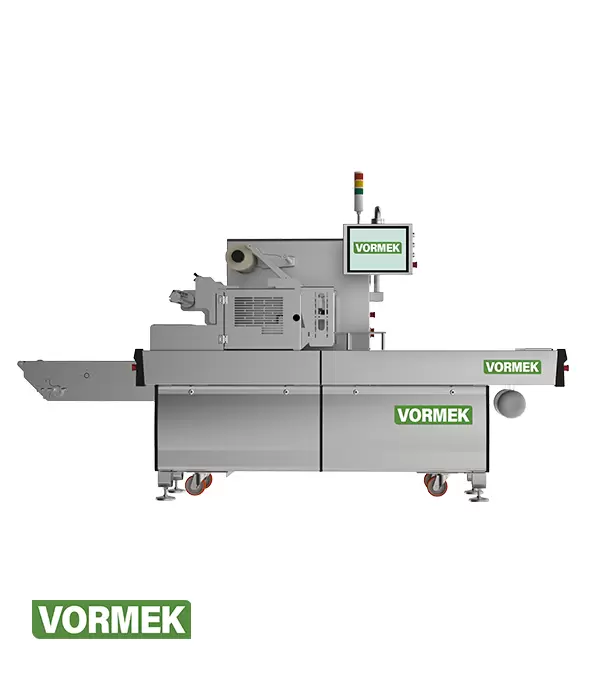
يُعد شراء آلة ختم الصواني استثماراً طويل الأجل يؤثر على أكثر من مجرد جودة التغليف. فالمعدات المناسبة يمكنها زيادة الطاقة الإنتاجية، وتقليل تكاليف العمالة، وإطالة العمر الافتراضي، وتحسين سلامة الأغذية، وخلق أساس للأتمتة المستقبلية. وعلى العكس، فإن اختيار الماكينة الخاطئة يمكن أن يؤدي إلى اختناقات إنتاجية، وارتفاع نفقات التشغيل، وتوقف مكلف.
مع مواجهة مصنعي الأغذية لضغوط متزايدة من نقص العمالة، ولوائح سلامة الأغذية الأكثر صرامة، وتوقعات المستهلكين المتزايدة، تستمر تكنولوجيا ختم الصواني في التطور. تقدم الأنظمة الحديثة الآن حركة محكومة بالسيرفو، وإدارة ذكية للوصفات، وتعبئة دقيقة بالغازات المعدلة (MAP)، وتشخيص عن بعد، وتكامل سلس مع خطوط التغليف الآلية بالكامل. تجعل هذه الابتكارات من المهم أكثر من أي وقت مضى تقييم الآلات بناءً على القيمة الإجمالية بدلاً من سعر الشراء وحده.
يشرح دليل شراء آلة ختم الصواني هذا العوامل الحاسمة التي يجب على كل مصنع أغذية تقييمها قبل الاستثمار في معدات تغليف جديدة. سواء كنت تدير منشأة صغيرة لتجهيز الأغذية أو مصنعاً صناعياً عالي السعة، فإن الإطار التالي سيساعدك على مقارنة الآلات بموضوعية واتخاذ قرار شراء واثق.
ما هي آلة ختم الصواني؟
آلة ختم الصواني هي نظام تغليف صناعي يقوم بختم صينية مسبقة التشكيل بفيلم غطاء مرن باستخدام حرارة وضغط وزمن ختم محكومين. اعتماداً على تكوين الماكينة، قد تتضمن العملية أيضاً التغليف بالتفريغ، أو شطف الغاز، أو التغليف بالغازات المعدلة (MAP)، أو التغليف الجلدي بالتفريغ لتحسين حماية المنتج وإطالة العمر الافتراضي.
على عكس تغليف الأكياس التقليدي، يخلق ختم الصواني عبوات صلبة وجذابة وجاهزة للبيع بالتجزئة تحمي المنتج أثناء النقل مع توفير راحة أكبر للمستهلكين.
اليوم، تُستخدم آلات ختم الصواني على نطاق واسع في جميع أنحاء صناعة الأغذية، بما في ذلك:
- اللحوم الطازجة
- الدواجن
- المأكولات البحرية
- منتجات الألبان
- الوجبات الجاهزة
- السلطات الطازجة
- الفواكه والخضروات
- منتجات المخابز
- الأطعمة المجمدة
- أغذية الحيوانات الأليفة
- أطعمة المأكولات الجاهزة والأطعمة المريحة
يسمح تنوعها للمصنعين بتغليف مجموعة واسعة من المنتجات على منصة واحدة ببساطة عن طريق تغيير الأدوات ومعايير التغليف.
لماذا أصبحت آلات ختم الصواني حل التغليف المفضل
تُعزى شعبية ختم الصواني إلى تغير متطلبات السوق. يتوقع تجار التجزئة والمستهلكون بشكل متزايد تغليفاً صحياً، وجذاباً بصرياً، وسهل الاستخدام، وقادراً على الحفاظ على نضارة المنتج طوال سلسلة التوريد.
بالمقارنة مع طرق التغليف التقليدية، توفر آلات ختم الصواني العديد من المزايا التشغيلية:
- سلامة ختم ممتازة
- عرض محسّن على الرف
- تقليل تلف المنتج أثناء النقل
- عمر افتراضي مبرد أطول عند دمجه مع MAP
- رؤية أفضل للمنتج من خلال الأفلام الشفافة
- نفايات تغليف أقل
- دورات إنتاج أسرع
- التوافق مع مواد التغليف القابلة لإعادة التدوير
تشرح هذه الفوائد سبب أصبحت آلات ختم الصواني معدات قياسية في مرافق تجهيز الأغذية الحديثة.
كيف تعمل آلة ختم الصواني؟
على الرغم من اختلاف تصميمات الماكينات بين الشركات المصنعة، تتبع معظم آلات ختم الصواني نفس تسلسل التشغيل الأساسي.
الخطوة 1 – تحميل المنتج
توضع المنتجات الغذائية في الصواني مسبقة التشكيل إما يدوياً أو تلقائياً باستخدام أنظمة التعبئة، أو الموازين متعددة الرؤوس، أو المحملات الآلية. تضمن التعبئة المتسقة ختمًا موثوقًا وعبوة نهائية جذابة.
الخطوة 2 – تحديد موضع الصينية
تتحرك الصواني إلى محطة الختم، حيث يتم تحديد موضعها بدقة داخل الأدوات. تعمل الأنظمة الحديثة التي تعمل بالسيرفو على تحسين التكرار مع تقليل أخطاء تحديد الموضع.
الخطوة 3 – دورة التفريغ (اختياري)
لتطبيقات التفريغ أو MAP، تقوم الماكينة بإزالة الهواء من العبوة قبل الختم. يؤدي تقليل الأكسجين إلى إبطاء الأكسدة والنمو الميكروبي، مما يساعد في الحفاظ على جودة المنتج.
الخطوة 4 – التغليف بالغازات المعدلة (اختياري)
إذا كانت MAP مطلوبة، يحل مزيج محكوم من الغازات الصالحة للطعام محل الهواء المزال.
يختلف تكوين الغاز وفقاً للمنتج الذي يتم تعبئته:
- ثاني أكسيد الكربون (CO₂): يمنع النمو الميكروبي
- النيتروجين (N₂): يمنع انهيار العبوة والأكسدة
- الأكسجين (O₂): يحافظ على اللون الطبيعي لبعض المنتجات الطازجة
يعد التحكم الدقيق في الغاز أمراً ضرورياً للحفاظ على عمر افتراضي ثابت وجودة العبوة.
الخطوة 5 – الختم الحراري
يطبق رأس الختم الحرارة والضغط والزمن لربط فيلم الغطاء بحافة الصينية. يجب أن تظل هذه المتغيرات الثلاثة محكومة بدقة لضمان عبوات محكمة الإغلاق وخالية من التسرب.
الخطوة 6 – قطع الفيلم
بعد الختم، يتم قص الفيلم الزائد حول محيط الصينية. تنتج الآلات عالية الجودة حوافاً نظيفة مع تقليل نفايات الفيلم ودعم تسجيل الفيلم المطبوع.
الخطوة 7 – تفريغ العبوة
تغادر العبوات النهائية محطة الختم وتنتقل إلى المعدات النهائية مثل موازين التدقيق، وكاشفات المعادن، وأنظمة وضع الملصقات، أو آلات تعبئة الحالات.
عملية ختم الصواني النموذجية
تحميل الصينية
      ↓
تحديد موضع الصينية
      ↓
التفريغ (اختياري)
      ↓
حقن غاز MAP
      ↓
الختم الحراري
      ↓
تقليم الفيلم
      ↓
الفحص
      ↓
العبوة النهائية
لماذا يعتبر أداء الختم المتسق مهماً
لا يُقاس أداء آلة ختم الصواني بالسرعة فحسب، بل بالاتساق أيضاً. حتى الاختلافات الطفيفة في درجة حرارة الختم، أو الضغط، أو موضع الصينية يمكن أن تؤدي إلى تسريبات، وعمر افتراضي أقصر، وهدر غير ضروري للمنتج.
تحافظ الآلات عالية الجودة على معايير ختم مستقرة طوال فترات الإنتاج الطويلة، مما يضمن أن كل عبوة تفي بنفس معيار الجودة. تساعد ميزات مثل الوصفات المحكومة بواسطة PLC، ونقل الفيلم الذي يعمل بالسيرفو، والأدوات المصممة بدقة في تقليل أخطاء المشغل مع تحسين التكرار.
بالنسبة للمصنعين الذين ينتجون أغذية عالية القيمة، غالباً ما يوفر اتساق جودة الختم فوائد مالية أكبر من مجرد زيادة سرعة الإنتاج.
العوامل المؤثرة على أداء التغليف
عند تقييم أداء آلة ختم الصواني، يجب على المشترين النظر في نظام التغليف الكامل بدلاً من عملية الختم وحدها. تتأثر النتائج الإجمالية بعدة متغيرات مترابطة، بما في ذلك:
- خصائص المنتج
- مادة الصينية وأبعادها
- خصائص فيلم الغطاء
- مستوى التفريغ
- تركيبة الغاز
- درجة حرارة الختم
- زمن الدورة
- ظروف التبريد بعد التغليف
يساعد تحسين جميع هذه المعايير المصنعين على تحقيق عمر افتراضي أطول، ومعدلات رفض أقل، وكفاءة إنتاجية محسّنة.
لماذا تعتبر عملية الشراء المنظمة مهمة
تشترى العديد من الشركات معدات التغليف بناءً على عروض الأسعار من الموردين فقط. ومع ذلك، يتطلب اختيار آلة ختم الصواني المناسبة تقييماً أوسع لأهداف الإنتاج، ومتطلبات السعة المستقبلية، وتكاليف التشغيل الإجمالية.
تشرح الأقسام التالية من هذا الدليل كيفية مقارنة المواصفات الفنية، وتحديد مستوى الأتمتة المناسب، وحساب التكلفة الإجمالية للملكية قبل اتخاذ قرار الاستثمار النهائي.
المواصفات الرئيسية للمقارنة قبل شراء آلة ختم الصواني
لا ينبغي أبداً أن يعتمد اختيار آلة ختم الصواني على سعر الشراء وحده. الآلة الأكثر فعالية من حيث التكلفة هي تلك التي تقدم أداءً متسقاً، وتتوافق مع متطلبات الإنتاج الخاصة بك، وتدعم النمو المستقبلي. تساعد مقارنة المواصفات الفنية بطريقة منظمة في إزالة عدم اليقين وتضمن بقاء المعدات منتجة لسنوات عديدة.
فيما يلي أهم المواصفات التي يجب على كل مشتر تقييمها قبل الاستثمار في آلة ختم الصواني.
1. الطاقة الإنتاجية
عادة ما يتم التعبير عن الطاقة الإنتاجية بعدد الدورات في الدقيقة، ولكن لا ينبغي تقييم هذا الرقم بمعزل عن الآخر. يعتمد الإنتاج الفعلي على أبعاد الصينية، وتكوين التجاويف، وزمن التفريغ، ودورة MAP، ومناولة المنتج.
اطلب من الموردين تقديم العبوات المتوقعة في الساعة باستخدام حجم الصينية والمنتج الخاص بك بدلاً من الاستشهاد بالسرعات القصوى النظرية.
| نوع الماكينة | الإخراج النموذجي |
|---|---|
| يدوية | حتى 300 عبوة/ساعة |
| شبه أوتوماتيكية | 500–1,200 عبوة/ساعة |
| أوتوماتيكية | 1,500–3,000 عبوة/ساعة |
| أوتوماتيكية عالية السرعة | 3,000–6,000+ عبوة/ساعة |
قارن دائماً الطاقة الإنتاجية الفعلية بدلاً من سرعة الدورة المعلن عنها.
2. حجم الصينية ومرونة الأدوات
غالباً ما تتطلب المنتجات المختلفة أبعاداً مختلفة للصواني. تسمح الماكينة التي تدعم مجموعات أدوات متعددة للمصنعين بتغليف نطاق أوسع من المنتجات دون شراء معدات إضافية.
قم بتقييم:
- أقصى أبعاد للصينية
- أقصى مساحة للختم
- عدد التجاويف
- زمن تغيير الأداة
- توفر القوالب المخصصة
يقلل التغيير السريع للأدوات من وقت التوقف ويحسن الفعالية الإجمالية للمعدات (OEE)، خاصة للمصنعين الذين لديهم وحدات SKU متعددة.
3. أداء التفريغ
تؤثر جودة التفريغ بشكل مباشر على سلامة العبوة والعمر الافتراضي.
بدلاً من مقارنة حجم مضخة التفريغ فقط، ضع في اعتبارك نظام التفريغ الكامل، بما في ذلك تصميم الغرفة وكفاءة الإخلاء.
تشمل الأسئلة المهمة:
- ما هو مستوى التفريغ الذي يمكن للماكينة تحقيقه باستمرار؟
- ما مدى قابلية تكرار دورة التفريغ؟
- ما هي ماركة مضخة التفريغ المستخدمة؟
- ما مدى سهولة الصيانة الروتينية؟
يعمل نظام التفريغ المصمم بشكل صحيح على تحسين اتساق العبوة مع تقليل زمن الدورة.
4. التغليف بالغازات المعدلة (MAP)
بالنسبة للعديد من الأطعمة المبردة، تعتبر MAP ضرورية لإطالة العمر الافتراضي والحفاظ على جودة المنتج.
يجب أن تقدم آلة ختم الصواني الموثوقة:
- خلط غاز دقيق
- مستويات أكسجين متبقية مستقرة
- استهلاك فعال للغاز
- أداء MAP متكرر
- وصفات غاز متعددة قابلة للبرمجة
يجب على المصنعين طلب نتائج اختبار موثقة بدلاً من الاعتماد فقط على ادعاءات المورد.
5. التوافق مع الأفلام
تستمر مواد التغليف في التطور مع زيادة متطلبات الاستدامة.
يجب أن تدعم آلة ختم الصواني الحديثة مجموعة واسعة من الأفلام، بما في ذلك:
- PET
- PP
- رقائق PE
- الأفلام الحاجزة
- الأفلام المطبوعة
- أفلام سهلة التقشير
- أفلام أحادية المادة قابلة لإعادة التدوير
- أفلام التغليف الجلدي
يقلل التوافق الأوسع مع الأفلام من القيود المستقبلية عندما تتغير لوائح التغليف أو متطلبات العملاء.
6. جودة الختم
تعد سلامة الختم واحدة من أهم مؤشرات أداء الماكينة.
قد تؤدي الختمات الرديئة إلى:
- تسرب العبوة
- تقليل العمر الافتراضي
- تلوث المنتج
- شكاوى العملاء
- مرتجعات التجزئة
يعتمد الختم المتسق على:
- تحكم دقيق في درجة الحرارة
- ضغط ختم موحد
- أدوات دقيقة
- زمن ختم مستقر
الآلات القادرة على الحفاظ على هذه المعايير طوال فترات الإنتاج الطويلة تنتج عموماً عدداً أقل من العبوات المرفوضة.
7. التصميم الصحي للماكينة
يجب أن تكون معدات تجهيز الأغذية سهلة التنظيف ومقاومة للتآكل.
ابحث عن ميزات مثل:
- هيكل من الفولاذ المقاوم للصدأ
- لحامات ناعمة
- هندسة الإطار المفتوح
- مكونات متوافقة مع الغسيل
- توجيه صحي للكابلات
- الحد الأدنى من مصائد الأوساخ
يقلل التصميم الصحي الجيد من وقت التنظيف ويدعم الامتثال لمعايير سلامة الأغذية.
8. نظام التحكم وواجهة الإنسان والآلة (HMI)
يجب أن تعمل واجهة الإنسان والآلة (HMI) على تبسيط التشغيل بدلاً من زيادة التعقيد.
تشمل الميزات المفيدة:
- عناصر تحكم تعمل باللمس
- تخزين الوصفات
- سجل الإنذارات
- تذكيرات الصيانة
- إحصائيات الإنتاج
- دعم متعدد اللغات
- مستويات وصول المستخدم
تتيح إدارة الوصفات للمشغلين تبديل المنتجات بسرعة مع الحفاظ على معايير ختم متسقة.
9. كفاءة الطاقة
تستمر تكاليف التشغيل لفترة طويلة بعد تركيب الماكينة.
عند مقارنة المعدات، قم بتقييم:
- استهلاك الطاقة الكهربائية
- استخدام الهواء المضغوط
- كفاءة التفريغ
- كفاءة التسخين
- استهلاك الطاقة في وضع الاستعداد
غالباً ما تقلل الآلات المصممة للاستخدام الفعال للطاقة من تكاليف التشغيل طوال عمرها الافتراضي.
10. الصيانة وقابلية الخدمة
للصيانة تأثير مباشر على وقت تشغيل الماكينة.
تشمل الأسئلة التي يجب على كل مشتر طرحها:
- هل أجزاء التآكل سهلة الوصول؟
- كم مرة تتطلب الصيانة الوقائية؟
- هل قطع الغيار متاحة بسهولة؟
- هل الدعم الفني عن بعد متاح؟
- ما هو وقت الاستجابة المتوقع للخدمة؟
تقلل الصيانة السهلة من وقت التوقف وتخفض تكاليف التشغيل مدى الحياة.
قائمة مراجعة المقارنة الفنية
| المواصفة | الأهمية |
|---|---|
| الطاقة الإنتاجية | ★★★★★ |
| أداء التفريغ | ★★★★★ |
| قدرة MAP | ★★★★★ |
| جودة الختم | ★★★★★ |
| زمن تغيير الأداة | ★★★★☆ |
| التوافق مع الأفلام | ★★★★☆ |
| التصميم الصحي | ★★★★★ |
| HMI و PLC | ★★★★☆ |
| كفاءة الطاقة | ★★★★☆ |
| الخدمة والصيانة | ★★★★★ |
أسئلة يجب على كل مشتر طرحها
قبل طلب عرض سعر، اسأل الموردين ما يلي:
- ما هي الطاقة الإنتاجية التي يمكن للماكينة تحقيقها مع منتجي؟
- كم من الوقت يستغرق تغيير الأداة؟
- ما هو مستوى الأكسجين المتبقي الذي يمكن تحقيقه أثناء تغليف MAP؟
- ما هي أفلام التغليف التي تم التحقق من صحتها؟
- ما هو جدول الصيانة الوقائية الموصى به؟
- ما هو الضمان المضمن؟
- ما مدى سرعة توريد قطع الغيار؟
- هل يمكن ترقية الماكينة مع نمو الإنتاج؟
- هل يشمل التدريب على التشغيل؟
- هل يمكن اختبار الماكينة باستخدام منتجي قبل الشراء؟
هذه الأسئلة تجعل مقارنات الموردين أكثر موضوعية وتقلل من مخاطر الشراء.
أخطاء الشراء الشائعة
يرتكب العديد من المصنعين أخطاء شراء يمكن تجنبها تزيد من التكاليف طويلة الأجل.
تشمل الأكثر شيوعاً:
- اختيار أرخص ماكينة دون تقييم تكاليف دورة الحياة.
- شراء سعة أكبر مما يتطلبه الإنتاج الفعلي.
- تجاهل خطط التوسع المستقبلية.
- التغاضي عن الدعم بعد البيع وتوفر قطع الغيار.
- مقارنة السرعات القصوى للدورة بدلاً من الإنتاج الفعلي.
- الفشل في التحقق من التوافق مع مواد التغليف المستقبلية.
يساعد تجنب هذه الأخطاء في تعظيم استخدام المعدات والعائد على الاستثمار على المدى الطويل.
الخلاصة الأساسية
أفضل آلة ختم صواني ليست بالضرورة الأسرع أو الأقل تكلفة – إنها الماكينة التي تقدم باستمرار جودة ختم موثوقة، وإنتاجاً فعالاً، وتكاليف تشغيل منخفضة. من خلال مقارنة هذه المواصفات الفنية بشكل منهجي، يمكن للمصنعين اتخاذ قرار شراء بناءً على أداء قابل للقياس بدلاً من الادعاءات التسويقية.
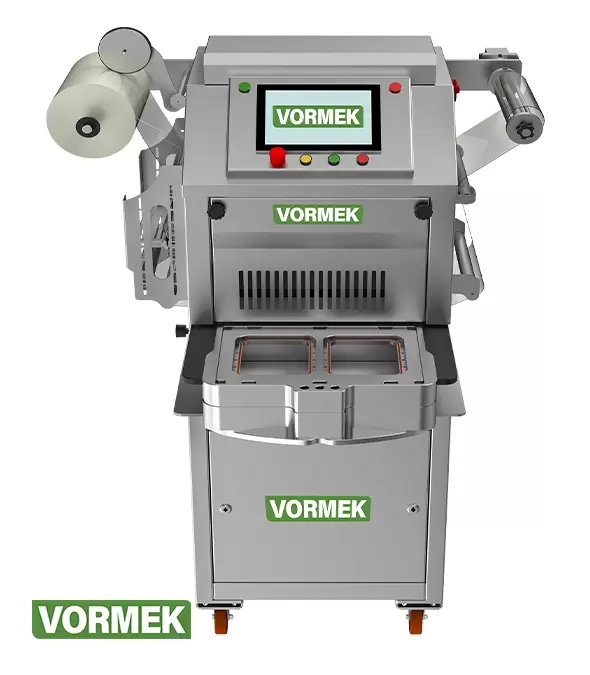
مستوى الأتمتة: آلات ختم الصواني شبه الأوتوماتيكية مقابل الأوتوماتيكية بالكامل
يعد اختيار مستوى الأتمتة المناسب من أهم القرارات عند شراء آلة ختم الصواني. بينما يركز العديد من المشترين على سرعة الإنتاج، يعتمد الحل المثالي على عدة عوامل تشغيلية، بما في ذلك حجم الإنتاج، وتوافر العمالة، وتنوع المنتجات، والمساحة الأرضية المتاحة، وخطط التوسع طويلة الأجل.
الماكينة التي تتوافق مع متطلبات الإنتاج الخاصة بك ستحقق عائداً أسرع على الاستثمار من تلك التي إما كبيرة الحجم أو غير قادرة على دعم النمو المستقبلي.
آلات ختم الصواني شبه الأوتوماتيكية
تم تصميم آلات ختم الصواني شبه الأوتوماتيكية للمصنعين الذين يحتاجون إلى أداء تغليف احترافي دون الاستثمار المرتبط بالخطوط الآلية بالكامل.
يقوم المشغلون بتحميل وتفريغ الصواني يدوياً بينما يتم تنفيذ عملية الختم – بما في ذلك التفريغ و MAP، إذا كانت مجهزة – تلقائياً.
تستخدم هذه الآلات عادة من قبل:
- مصنعي الأغذية الصغار والمتوسطين
- المجهزين الإقليميين
- العلامات التجارية الغذائية الناشئة
- متعاقدي التعبئة
- الشركات المنتجة لأصناف منتجات متعددة
المزايا
- استثمار أولي أقل
- بصمة صغيرة
- تركيب سهل
- تغيير سريع للمنتجات
- مرونة لتنسيقات صواني متعددة
- تدريب بسيط للمشغل
الاعتبارات
- متطلبات عمالة أعلى
- طاقة إنتاجية أقل
- اعتماد أكبر على كفاءة المشغل
بالنسبة للمصنعين ذوي أحجام الإنتاج المعتدلة، غالباً ما توفر الآلات شبه الأوتوماتيكية أفضل توازن بين المرونة وتكلفة الاستثمار.
آلات ختم الصواني الأوتوماتيكية بالكامل
تم تصميم آلات ختم الصواني الأوتوماتيكية بالكامل لبيئات الإنتاج المستمر عالية الحجم.
تقوم هذه الأنظمة بنقل الصواني تلقائياً خلال عملية الختم وتتكامل مع المعدات الأولية والنهائية لإنشاء خط تغليف كامل.
تشمل التطبيقات النموذجية:
- تجهيز اللحوم
- الدواجن
- المأكولات البحرية
- الألبان
- الوجبات الجاهزة
- المنتجات الطازجة
- الإنتاج الغذائي الموجه للتصدير
المزايا
- إنتاجية عالية
- جودة عبوة متسقة
- تكاليف عمالة مخفضة
- كفاءة إنتاجية ممتازة
- تكامل سهل مع الخطوط الآلية
- فعالية إجمالية أعلى للمعدات (OEE)
الاعتبارات
- استثمار رأسمالي أعلى
- مساحة تركيب أكبر
- تخطيط صيانة أكثر تقدماً
بالنسبة للمرافق التي تعمل بنوبات متعددة، تقدم الأنظمة الأوتوماتيكية بالكامل عموماً أقل تكلفة لكل وحدة معبأة طوال عمرها الافتراضي.
مقارنة شبه الأوتوماتيكي مقابل الأوتوماتيكي بالكامل
| الميزة | شبه أوتوماتيكي | أوتوماتيكي بالكامل |
|---|---|---|
| حجم الإنتاج | متوسط | مرتفع |
| متطلبات العمالة | متوسطة | منخفضة |
| الاستثمار الأولي | أقل | أعلى |
| اتساق الإنتاج | مرتفع | مرتفع جداً |
| سرعة التبديل | ممتازة | جيدة جداً |
| التكامل الآلي | محدود | ممتاز |
| التوسع المستقبلي | جيد | ممتاز |
| أفضل تطبيق | الشركات الصغيرة والمتوسطة | الإنتاج الصناعي |
بدلاً من طرح السؤال “أي ماكينة أفضل؟”، يجب على المصنعين تحديد مستوى الأتمتة الذي يتوافق بشكل أفضل مع أهدافهم الإنتاجية.
التخطيط للأتمتة المستقبلية
يبدأ العديد من المصنعين بآلة شبه أوتوماتيكية ثم يوسعون خط التغليف الخاص بهم لاحقاً.
عند مقارنة الموردين، تحقق مما إذا كان يمكن دمج المعدات مع:
- أجهزة فصل الصواني الأوتوماتيكية
- أنظمة التعبئة
- أنظمة الناقل
- كاشفات المعادن
- موازين التدقيق
- آلات وضع الملصقات
- الفحص بالرؤية
- آلات تعبئة الحالات
- أنظمة التحميل الآلي الروبوتية
يحمي اختيار المعدات ذات الإمكانات الترقوية استثمارك ويقلل من تكاليف الاستبدال المستقبلية.
التكلفة الإجمالية للملكية (TCO)
سعر الشراء هو مجرد عنصر واحد من إجمالي الاستثمار.
على مدار عمر آلة ختم الصواني، غالباً ما تتجاوز نفقات التشغيل تكلفة الشراء الأولية. يساعد تقييم التكلفة الإجمالية للملكية (TCO) المشترين على فهم التأثير المالي الحقيقي لاستثمارهم.
قد تقدم الماكينة ذات السعر الأعلى تكاليف تشغيل أقل بشكل ملحوظ من خلال تحسين الكفاءة، وتقليل وقت التوقف، وانخفاض متطلبات الصيانة.
مكونات التكلفة الإجمالية للملكية
الاستثمار الأولي
يشمل:
- شراء الماكينة
- التركيب
- التشغيل الأولي
- تدريب المشغل
- قطع الغيار الأولية
على الرغم من أنه واضح للغاية، إلا أن هذا يمثل جزءاً فقط من تكلفة دورة الحياة الإجمالية.
تكاليف العمالة
تؤثر الأتمتة بشكل مباشر على نفقات العمالة.
يمكن أن يؤدي تقليل المناولة اليدوية إلى تحسين:
- كفاءة الإنتاج
- استخدام المشغل
- سلامة مكان العمل
- اتساق الإنتاج
غالباً ما تحقق المرافق التي تعمل بنوبات متعددة وفورات كبيرة من خلال الأتمتة.
استهلاك الطاقة
تقلل الآلات الفعالة من نفقات التشغيل عن طريق تقليل:
- استهلاك الطاقة الكهربائية
- استخدام الهواء المضغوط
- متطلبات طاقة التفريغ
- فقدان الحرارة أثناء الختم
تساهم المعدات الموفرة للطاقة في تحقيق أهداف التكلفة المنخفضة والاستدامة.
استهلاك مواد التغليف
الفيلم هو نفقات تشغيل متكررة.
يقلل تتبع الفيلم الدقيق، والفهرسة التي تعمل بالسيرفو، والقطع الدقيق من هدر المواد مع تحسين مظهر العبوة.
حتى التخفيضات الصغيرة في هدر الفيلم يمكن أن تولد وفورات كبيرة على آلاف دورات الإنتاج.
الصيانة وقطع الغيار
الصيانة الوقائية ضرورية للإنتاج الموثوق.
قم بتقييم:
- فترات الصيانة
- تكرار استبدال أجزاء التآكل
- توفر قطع الغيار
- وقت استجابة الخدمة
- التشخيص عن بعد
يقلل الدعم الموثوق بعد البيع من انقطاعات الإنتاج ويطيل عمر المعدات.
تكاليف وقت التوقف
يمكن أن يصبح التوقف غير المخطط له أكبر تكلفة خفية للملكية.
تشمل الأسباب الشائعة:
- أعطال المعدات
- تأخر قطع الغيار
- أخطاء المشغل
- سوء الصيانة
- أوقات إصلاح طويلة
تقلل الموثوقية العالية للماكينة من خسائر الإنتاج وتحسن أداء التسليم.
مقارنة التكلفة الإجمالية للملكية
| فئة التكلفة | ماكينة أساسية | ماكينة متميزة |
|---|---|---|
| سعر الشراء | أقل | أعلى |
| تكاليف العمالة | أعلى | أقل |
| هدر الفيلم | أعلى | أقل |
| الصيانة | أعلى | أقل |
| وقت التوقف | أعلى | أقل |
| استخدام الطاقة | أعلى | أقل |
| تكلفة الملكية لخمس سنوات | أعلى | أقل |
يوضح هذا المقارنة لماذا قد يكون تقييم المعدات بناءً على سعر الشراء فقط مضللاً.
العوامل التي تحسن عائد الاستثمار
تحقق آلة ختم الصواني عائداً على الاستثمار من خلال تحسين الكفاءة التشغيلية.
تشمل المحركات الرئيسية لعائد الاستثمار:
- إنتاجية أعلى
- تكاليف عمالة أقل
- نفايات تغليف أقل
- عمر افتراضي محسّن
- عدد أقل من العبوات المرفوضة
- نفقات صيانة أقل
- زيادة وقت تشغيل الماكينة
يجب على المصنعين تقدير هذه الوفورات باستخدام بيانات الإنتاج الخاصة بهم بدلاً من الاعتماد على حسابات عائد الاستثمار العامة.
إطار تحسين عائد الاستثمار
إنتاجية أعلى
        ↓
تكلفة أقل لكل عبوة
        ↓
نفايات أقل
        ↓
ربحية أعلى
        ↓
عائد أسرع على الاستثمار
أخطاء الشراء المكلفة الشائعة
تجنب أخطاء الشراء الشائعة هذه:
- اختيار المعدات بناءً على سعر الشراء فقط.
- تجاهل نمو الإنتاج المستقبلي.
- التقليل من متطلبات الصيانة.
- التغاضي عن الدعم بعد البيع.
- شراء طاقة إنتاجية غير ضرورية.
- الفشل في مقارنة التكلفة الإجمالية للملكية.
تقلل عملية التقييم المنظمة بشكل كبير من مخاطر الاستثمار.
الخلاصة الأساسية
آلة ختم الصواني الأكثر ربحية ليست دائماً الأقل تكلفة – إنها الماكينة التي تقدم أداءً متسقاً، وتكاليف تشغيل منخفضة، والمرونة لدعم التوسع المستقبلي. يوفر تقييم كل من مستوى الأتمتة والتكلفة الإجمالية للملكية صورة كاملة عن القيمة طويلة الأجل للماكينة.
قارن بين موديلات آلات ختم الصواني لدينا
بمجرد تحديد متطلبات الإنتاج الخاصة بك بوضوح، تصبح مقارنة فئات الماكينات أسهل بكثير. بدلاً من اختيار الطراز الأعلى سعة، اختر الحل الذي يوفر أفضل توازن بين الإنتاجية والمرونة وتكاليف التشغيل طويلة الأجل.
يلخص الجدول التالي أكثر تكوينات آلات ختم الصواني شيوعاً.
| الميزة | شبه أوتوماتيكي | أوتوماتيكي | أوتوماتيكي عالي السرعة |
|---|---|---|---|
| الطاقة الإنتاجية | متوسطة | عالية | عالية جداً |
| التغليف بالتفريغ | ✔ | ✔ | ✔ |
| قدرة MAP | ✔ | ✔ | ✔ |
| تبديل المنتج | ممتاز | جيد جداً | جيد جداً |
| متطلبات العمالة | متوسطة | منخفضة | منخفضة جداً |
| التكامل مع الخط | محدود | ممتاز | ممتاز |
| أفضل تطبيق | الشركات الصغيرة والمتوسطة والإنتاج متعدد وحدات SKU | المصنعين المتناميين | المصانع الصناعية الكبيرة |
تناول كل فئة أهدافاً إنتاجية مختلفة، مما يجعل من الضروري تقييم المعدات وفقاً لاحتياجاتك التشغيلية بدلاً من المواصفات العامة.
للحصول على نظرة عامة كاملة على الأنظمة المتاحة، قم بزيارة الصفحة الرئيسية لفئة آلات ختم الصواني.
إذا كانت أولويتك هي الأتمتة المتقدمة، والتحكم الذكي، والإنتاجية الصناعية، فاستكشف صفحة منتج Smart Sealer لمقارنة التكوينات المتاحة.
قائمة مراجعة شراء آلة ختم الصواني
قبل تقديم الطلب، تأكد من تقييم كل متطلب حاسم.
| بند التقييم | مكتمل |
|---|---|
| تم تحديد الطاقة الإنتاجية المطلوبة | □ |
| تم النظر في نمو الإنتاج المستقبلي | □ |
| تم التحقق من أبعاد الصينية | □ |
| تم تقييم متطلبات التفريغ | □ |
| تم تأكيد قدرة MAP | □ |
| تم التحقق من التوافق مع الأفلام | □ |
| هيكل صحي من الفولاذ المقاوم للصدأ | □ |
| تم مراجعة زمن تغيير الأداة | □ |
| إدارة وصفات PLC متاحة | □ |
| تم تقييم خدمة ما بعد البيع | □ |
| تم تأكيد توفر قطع الغيار | □ |
| تم حساب التكلفة الإجمالية للملكية | □ |
يؤدي استخدام قائمة مراجعة موحدة إلى تقليل مخاطر الشراء وتبسيط مقارنات الموردين.
أفضل الممارسات قبل اتخاذ قرارك النهائي
قبل الالتزام مع مورد، اتبع هذه التوصيات:
- اختبر الماكينة باستخدام منتجك ومواد التغليف الفعلية.
- اطلب بيانات إنتاج موثقة بدلاً من المواصفات النظرية.
- قارن توفر الدعم الفني المحلي.
- تأكد من مهلة توريد قطع الغيار.
- راجع جداول الصيانة وتدريب المشغل.
- ضع في الاعتبار نمو الإنتاج المتوقع خلال السنوات الخمس القادمة.
- قيم تكاليف دورة الحياة بدلاً من سعر الشراء وحده.
يضمن التقييم الشامل استمرار الماكينة المختارة في تلبية متطلبات الإنتاج مع توسع عملك.
الاستنتاج
يعد شراء آلة ختم الصواني استثماراً استراتيجياً يؤثر على الإنتاجية، وجودة العبوة، وسلامة الأغذية، والربحية طويلة الأجل.
تعتمد أفضل قرارات الشراء على الأداء القابل للقياس بدلاً من الادعاءات التسويقية. يجب تقييم الطاقة الإنتاجية، واتساق الختم، وأداء التفريغ، وقدرة MAP، والتصميم الصحي، ومستوى الأتمتة، والتكلفة الإجمالية للملكية جميعها قبل مقارنة عروض الأسعار.
من المرجح أن يحقق المصنعون الذين يتبعون عملية شراء منظمة استخداماً أعلى للمعدات، وتكاليف تشغيل أقل، وعوائد أسرع على الاستثمار.
سواء كنت ترقي خط تغليف موجوداً أو تقوم بتركيب أول آلة ختم صواني لك، فإن اختيار معدات تتوافق مع احتياجات الإنتاج الحالية مع السماح بالتوسع المستقبلي سيوفر أكبر قيمة طويلة الأجل.
الأسئلة الشائعة
1. ما هو العامل الأكثر أهمية عند شراء آلة ختم الصواني؟
العامل الأكثر أهمية هو اختيار آلة تتوافق مع متطلبات الإنتاج الخاصة بك. يجب النظر في السعة، وجودة الختم، ومستوى الأتمتة، وقدرة MAP، وتكاليف التشغيل جميعها معاً.
2. هل آلة ختم الصواني شبه الأوتوماتيكية أم الأوتوماتيكية بالكامل أفضل؟
لا يوجد أحدهما أفضل عالمياً. تناسب الآلات شبه الأوتوماتيكية الإنتاج منخفض إلى متوسط الحجم، بينما تعد الأنظمة الأوتوماتيكية بالكامل مثالية للتصنيع المستمر عالي الحجم.
3. لماذا تعتبر MAP مهمة؟
تعمل التعبئة بالغازات المعدلة على إطالة العمر الافتراضي، والحفاظ على جودة المنتج، وتقليل التلف عن طريق استبدال الهواء داخل العبوة بمزيج غاز محكوم.
4. كيف يجب مقارنة الطاقة الإنتاجية؟
قارن العبوات الفعلية في الساعة باستخدام منتجك وحجم الصينية الخاص بك بدلاً من الاعتماد فقط على الحد الأقصى للدورات في الدقيقة المذكورة في الكتيبات.
5. ما هي أفلام التغليف التي يجب أن تدعمها آلة ختم الصواني الحديثة؟
يجب أن تكون آلة ختم الصواني عالية الجودة متوافقة مع PET، وPP، والأفلام الحاجزة، والأفلام أحادية المادة القابلة لإعادة التدوير، والأفلام المطبوعة، وأفلام الغطاء سهلة التقشير.
6. لماذا تعتبر التكلفة الإجمالية للملكية أكثر أهمية من سعر الشراء؟
لأن نفقات التشغيل – بما في ذلك العمالة، والصيانة، والطاقة، ووقت التوقف، ونفايات التغليف – غالباً ما تتجاوز تكلفة الشراء الأولية على مدى عمر الماكينة.
7. كم من الوقت يجب أن تدوم آلة ختم الصواني الصناعية؟
مع الصيانة الوقائية المناسبة، يمكن لآلة ختم الصواني الصناعية جيدة البناء أن تخدم بشكل موثوق لسنوات عديدة مع الحفاظ على أداء تغليف ثابت.
8. هل يمكن دمج آلات ختم الصواني في خطوط التغليف الآلية؟
نعم. يمكن دمج معظم الأنظمة الحديثة مع آلات التعبئة، وأجهزة الفصل، والناقلات، وموازين التدقيق، وكاشفات المعادن، ومعدات وضع الملصقات، وآلات تعبئة الحالات، وأنظمة التحميل الآلي الروبوتية.
أفكار ختامية
يجب النظر إلى آلة ختم الصواني كأصل إنتاجي طويل الأجل بدلاً من كونها آلة تغليف قائمة بذاتها. يحسن الاستثمار الصحيح الكفاءة، ويقلل النفايات، ويحمي جودة المنتج، ويدعم نمو الأعمال المستقبلي.
من خلال تقييم المواصفات الفنية، ومستوى الأتمتة، وتكاليف دورة الحياة، ودعم الموردين من خلال عملية شراء منظمة، يمكن لمصنعي الأغذية اختيار المعدات بثقة التي تقدم أداءً مستداماً وعائداً طويل الأجل على الاستثمار.