إطالة العمر الافتراضي للوجبات الجاهزة باستخدام تقنية التعبئة بالغازات المعدلة (MAP)
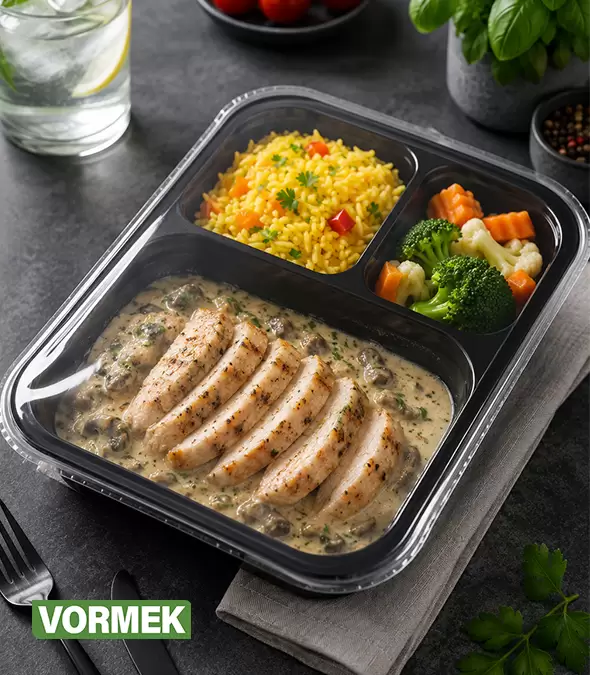
شهد السوق العالمي للوجبات الجاهزة فترة من النمو المستدام، مدفوعاً بتغير أنماط الحياة، والتحضر، وزيادة طلب المستهلكين على منتجات غذائية مريحة ومغذية وعالية الجودة. يعتمد المهنيون المشغولون، والعائلات، ومقدمو الخدمات الغذائية بشكل متزايد على الوجبات الجاهزة للأكل والمبردة التي تقدم طعماً على مستوى المطاعم مع الحد الأدنى من التحضير. ومع استمرار ارتفاع الطلب، يزداد الضغط على المصنّعين لإنتاج وجبات تظل طازجة وآمنة وجذابة بصرياً وقابلة للتسويق طوال شبكات التوزيع المتزايدة التعقيد.
يواجه مصنّعو الوجبات الجاهزة أحد أكبر التحديات في الحفاظ على جودة المنتج من خط الإنتاج إلى مائدة المستهلك. فكل مرحلة من مراحل سلسلة التوريد – بما في ذلك الطهي، والتبريد، والتغليف، والنقل، وعرض البيع بالتجزئة، والتخزين المبرد – لها تأثير مباشر على العمر الافتراضي للمنتج. حتى الوجبة المطبوخة بشكل مثالي يمكن أن تفقد جودتها بسرعة إذا فشل التغليف في توفير حماية كافية ضد التلوث الميكروبي، أو التعرض للأكسجين، أو انتقال الرطوبة، أو تقلبات درجات الحرارة.
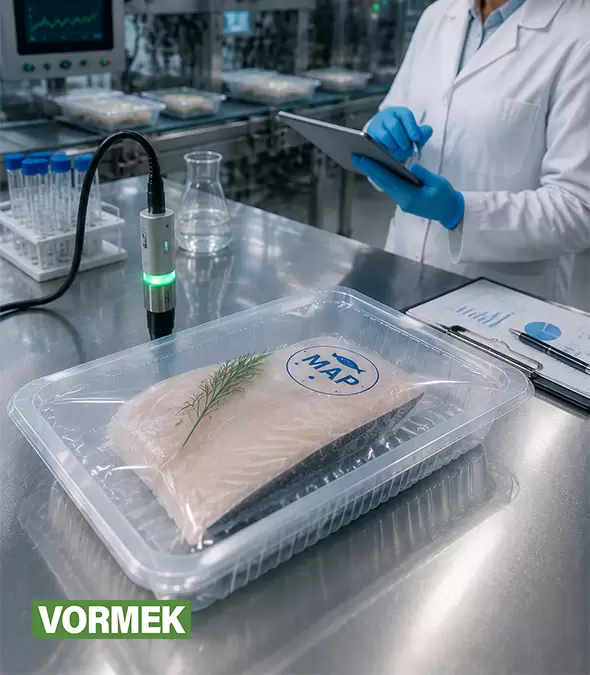
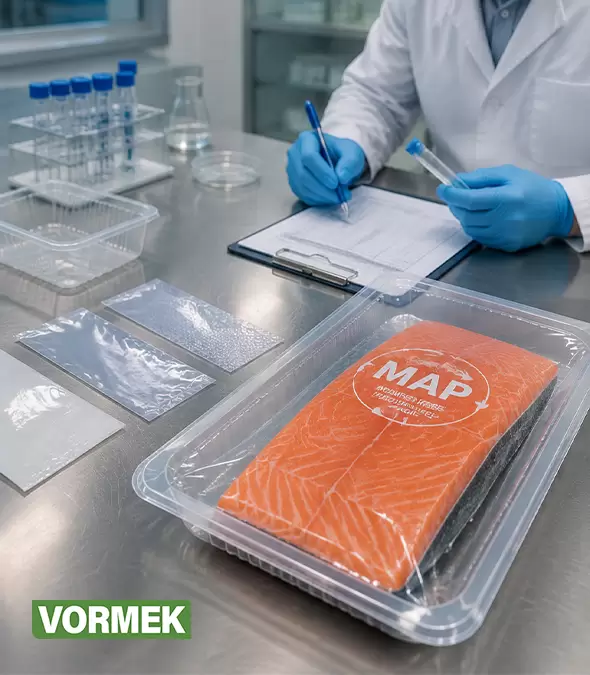
أصبحت اليوم “إطالة العمر الافتراضي للوجبات الجاهزة باستخدام تقنية التعبئة بالغازات المعدلة” واحدة من أهم الاستراتيجيات لمصنّعي الأغذية الحديثين الذين يسعون لتحسين جودة المنتج مع تقليل هدر الطعام وتكاليف التشغيل. توفر تقنية التعبئة بالغازات المعدلة (MAP) حلاً فعالاً عن طريق استبدال الهواء العادي داخل العبوة بمزيج محكوم بعناية من الغازات التي تبطئ النمو الميكروبي، وتقلل من الأكسدة، وتحافظ على القوام، وتحافظ على الخصائص الحسية التي يتوقعها المستهلكون.
على عكس طرق الحفظ التقليدية التي تعتمد بشكل كبير على المواد الحافظة الكيميائية، تعمل تقنية MAP عن طريق خلق جو داخلي محسّن مصمم خصيصاً لكل منتج غذائي. وعندما تُدمج مع المعالجة الصحية، والتبريد السريع، ومواد التغليف عالية الحاجز، والإدارة الصارمة لسلسلة التبريد، تسمح MAP للمصنّعين بإطالة العمر الافتراضي المبرد بشكل ملحوظ مع الحفاظ على نضارة المنتج بطريقة أكثر طبيعية.
تمتد الفوائد التجارية للعمر الافتراضي الأطول إلى ما هو أبعد من حفظ المنتج. يكتسب المصنّعون مرونة إنتاجية أكبر، وإدارة محسّنة للمخزون، وفرص توزيع أوسع، وتقليل مرتجعات المنتج. ويستفيد تجار التجزئة من انخفاض التالف، وفترات عرض أطول على الرف، وتحسين دوران المخزون. ويتلقى المستهلكون منتجات تحافظ على نكهة أفضل، وقوام، وقيمة غذائية، وجودة أكل عامة حتى نهاية عمرها الافتراضي المحدد.
بالنسبة للشركات العاملة في أسواق غذائية شديدة التنافسية، لم تعد إطالة العمر الافتراضي مجرد هدف تقني – بل أصبحت ميزة استراتيجية تنافسية. يمكن للمنتجات الأطول عمراً أن تصل إلى أسواق أبعد، وتدعم أنشطة التصدير، وتقلل من تكاليف الخدمات اللوجستية، وتعزز ثقة العملاء في اتساق المنتج.
ومع ذلك، تتطلب إطالة العمر الافتراضي أكثر من مجرد إدخال الغاز إلى العبوة. تعتمد تطبيقات MAP الناجحة على فهم التفاعل بين ميكروبيولوجيا الأغذية، وهندسة التغليف، وتكوين الغاز، وظروف المعالجة، والتخزين المبرد. فاختيار خليط غاز غير مناسب، أو استخدام أفلام تغليف منخفضة الحاجز، أو ضعف جودة الختم، أو الفشل في الحفاظ على درجات حرارة التبريد يمكن أن يزيل بسرعة فوائد تقنية MAP.
تمثل كل وجبة جاهزة تحديات تغليف فريدة. فالوجبات التي تحتوي على لحم مطبوخ، أو أرز، أو خضروات، أو صلصات، أو مكونات ألبان، أو مأكولات بحرية، لكل منها خصائص تنفس مختلفة، وسلوك رطوبة، وحساسية للأكسدة، ومخاطر ميكروبية. وبالتالي، يجب تصميم أنظمة التغليف بعناية وفقاً لتركيبة المنتج المحددة بدلاً من تطبيق نهج تغليف عالمي.
كما حولت التطورات في تكنولوجيا تغليف المواد الغذائية إنتاج الوجبات الجاهزة الحديثة. توفر أنظمة الختم الحراري الأوتوماتيكية بالكامل للصواني بتقنية MAP اليوم تحكماً دقيقاً للغاية في التفريغ، وشطف الغاز، ومراقبة سلامة الختم، واتساق الإنتاج. وبدمجها مع مواد التغليف الذكية، والأفلام متعددة الطبقات عالية الحاجز، وتقنيات مضادة للضباب، وأنظمة الفحص الآلي، يمكن للمصنّعين الآن تحقيق مستويات من الجودة والموثوقية كان من الصعب تخيلها قبل عقد من الزمن فقط.
ومع ازدياد أهمية الاستدامة، تساهم إطالة العمر الافتراضي أيضاً في تقليل هدر الطعام العالمي. وفقاً لدراسات دولية حول هدر الطعام، تحدث نسبة كبيرة من فقدان الأغذية لأن المنتجات تتلف قبل الاستهلاك. ومن خلال إطالة العمر الافتراضي المبرد دون المساس بجودة الطعام، تدعم تقنية MAP كلاً من المسؤولية البيئية والكفاءة الاقتصادية.
يستكشف هذا الدليل الشامل من Vormek العلم والتطبيق العملي لإطالة العمر الافتراضي للوجبات الجاهزة باستخدام تقنية التعبئة بالغازات المعدلة. بالاعتماد على مبادئ هندسة الأغذية وممارسات التغليف الحديثة، تشرح المقالة الأسباب الرئيسية للتلف، واختيار مخاليط الغاز المناسبة لفئات الوجبات المختلفة، وأهمية اختيار مواد التغليف، والمعدات اللازمة لتحقيق أداء تغليف موثوق. سواء كنت تنتج وجبات جاهزة أساسها اللحوم، أو أطباق نباتية، أو منتجات مأكولات بحرية، أو وجبات معكرونة، أو أطباق أرز، أو أطعمة جاهزة كاملة، فإن فهم هذه المبادئ أمر ضروري لإنتاج منتجات أكثر أماناً وحداثة وتنافسية في صناعة الأغذية سريعة التطور اليوم.
لماذا يعتبر العمر الافتراضي أمراً حاسماً للوجبات الجاهزة
يعد العمر الافتراضي أحد أهم مؤشرات الجودة في صناعة الوجبات الجاهزة لأنه يؤثر بشكل مباشر على سلامة المنتج، والأداء التجاري، ورضا المستهلك. على عكس المنتجات المجمدة، تظل الوجبات الجاهزة المبردة نشطة بيولوجياً طوال فترة التخزين. على الرغم من أن الطهي يقضي على معظم الكائنات الحية الدقيقة المسببة للأمراض، إلا أن كائنات التلف الدقيقة قد تبقى أو تُدخل أثناء المناولة والتغليف بعد الطهي. وبدون طرق حفظ مناسبة، يمكن للنمو الميكروبي، والأكسدة، وانتقال الرطوبة، والتدهور الفيزيائي أن تقلل بسرعة من جودة المنتج.
يخلق العمر الافتراضي الأطول مزايا قابلة للقياس طوال سلسلة التوريد الغذائية بأكملها.
بالنسبة للمصنّعين، تتيح إطالة العمر الافتراضي دفعات إنتاج أكبر، وتخطيط إنتاجي أكثر كفاءة، وتقليل عمليات سحب المنتج، ومرونة أكبر في خدمة الأسواق الإقليمية والدولية. كما يقلل من الخسائر المالية المرتبطة بالمخزون منتهي الصلاحية وتأخيرات النقل.
يستفيد تجار التجزئة من خلال تحسين دوران المخزون، وفترات عرض أطول على الرف، وتقليل هدر المنتج، وزيادة الربحية. تسمح المنتجات الأطول عمراً للمتاجر الكبرى بتحسين إدارة المخزون مع تقليل التخلص من المنتجات منتهية الصلاحية.
يكتسب المستهلكون أيضاً مزايا كبيرة. فالمظهر الطازج، والقوام اللطيف، والنكهة المتسقة، وسلامة الغذاء الموثوقة تزيد من الثقة في المنتج وتشجع على عمليات الشراء المتكررة. كما يقلل العمر الافتراضي الأطول من هدر الطعام على المستوى المنزلي من خلال منح المستهلكين مرونة أكبر قبل الاستهلاك.
لهذه الأسباب، لا ينبغي النظر إلى العمر الافتراضي على أنه مجرد تاريخ انتهاء صلاحية مطبوع على العبوة. بل يمثل التكامل الناجح لعلوم الأغذية، وعلم الأحياء الدقيقة، وهندسة التغليف، والمعالجة الحرارية، وتكنولوجيا التبريد، وأنظمة إدارة الجودة.
مشاكل التلف الشائعة في الوجبات الجاهزة
على الرغم من التقدم في تكنولوجيا معالجة الأغذية، تظل الوجبات الجاهزة شديدة التأثر بتدهور الجودة لأنها غالباً ما تجمع بين مكونات متعددة ذات خصائص فيزيائية وكيميائية وميكروبيولوجية مختلفة داخل عبوة واحدة.
إن فهم الآليات المسؤولة عن التلف هو الخطوة الأولى نحو تطوير استراتيجية فعالة لتغليف MAP.
التلف الميكروبي
يظل النمو الميكروبي العامل الرئيسي الذي يحد من العمر الافتراضي للوجبات الجاهزة المبردة. على الرغم من أن الطهي يقلل بشكل كبير من التجمعات الميكروبية، فقد يحدث التلوث أثناء عمليات التبريد، أو التعبئة، أو مناولة المكونات، أو عمليات ختم الصواني.
تشمل الكائنات الحية الدقيقة الأكثر شيوعاً المسببة للتلف في الوجبات الجاهزة بكتيريا حمض اللاكتيك، وأنواع الزائفة، والخمائر، والعفن، وأفراد عائلة الأمعائيات. يمكن لهذه الكائنات الدقيقة أن تنتج روائح غير مرغوب فيها، وتكوين غازات، وتطور مخاط، وتغيرات في اللون، وتغيرات غير مقبولة في القوام، مما يجعل المنتجات غير صالحة للاستهلاك قبل وقت طويل من الوصول إلى هدف العمر الافتراضي المحدد.
يتأثر التلف الميكروبي بالعديد من المتغيرات، بما في ذلك درجة حرارة التخزين، ودرجة حموضة المنتج، ونشاط الماء، وتوفر الأكسجين، والجو داخل العبوة، وإجراءات الصرف الصحي، والحمل الميكروبي الأولي الموجود أثناء التغليف. لهذا السبب، يجب دائماً اعتبار التغليف بالغازات المعدلة جزءاً من نظام متكامل لسلامة الأغذية وليس كطريقة حفظ قائمة بذاتها.
مخاليط الغاز لأنواع الوجبات المختلفة
من أهم المبادئ في “إطالة العمر الافتراضي للوجبات الجاهزة باستخدام تقنية التعبئة بالغازات المعدلة” هو فهم أنه لا يوجد خليط غاز عالمي مناسب لكل وجبة جاهزة. كل منتج له تركيبته الفريدة، ومستوى الرطوبة، ومحتوى الدهون، ودرجة الحموضة، والملف الميكروبي، وخصائص التنفس، ومتطلبات التخزين. وبالتالي، يتطلب اختيار خليط الغاز الصحيح تقييماً علمياً بدلاً من تطبيق صيغة موحدة على كل منتج.
تعمل تقنية التعبئة بالغازات المعدلة عن طريق استبدال الهواء الجوي العادي – الذي يتكون من حوالي 78٪ نيتروجين، و21٪ أكسجين، و0.04٪ ثاني أكسيد الكربون – بتركيزات محكومة بعناية من غازات الدرجة الغذائية. الهدف هو إبطاء النمو الميكروبي، وتقليل الأكسدة، والحفاظ على اللون والقوام، والحفاظ على الجودة الحسية طوال التخزين المبرد.
الغازات الثلاثة الأساسية المستخدمة في MAP هي ثاني أكسيد الكربون (CO₂)، والنيتروجين (N₂)، والأكسجين (O₂). يؤدي كل غاز وظيفة محددة، وتختلف نسبها وفقاً لخصائص الغذاء الذي يتم تعبئته.
دور ثاني أكسيد الكربون (CO₂)
يُعرف ثاني أكسيد الكربون على نطاق واسع بأنه الغاز المضاد للميكروبات الأكثر أهمية المستخدم في التعبئة بالغازات المعدلة. عند إذابته في الرطوبة الموجودة داخل الوجبات الجاهزة، يشكل CO₂ حمض الكربونيك الخفيف، مما يخلق ظروفاً تمنع نمو العديد من الكائنات الحية الدقيقة المسببة للتلف.
تكون تركيزات ثاني أكسيد الكربون الأعلى فعالة بشكل خاص ضد البكتيريا الهوائية، والعفن، والخمائر، مما يبطئ بشكل كبير النشاط الميكروبي أثناء التخزين المبرد. هذا يجعل CO₂ مكوناً أساسياً في تعبئة أطباق اللحوم، وأطباق الدواجن، والمأكولات البحرية، ومنتجات المعكرونة مع الصلصات، والوجبات الجاهزة القائمة على الألبان.
ومع ذلك، فإن التركيزات المفرطة من ثاني أكسيد الكربون ليست مفيدة دائماً. قد تؤدي مستويات CO₂ المرتفعة إلى انهيار العبوة، أو تغيير قوام المنتج، أو التأثير على الخصائص الحسية للأطعمة الحساسة. لذلك، يجب دائماً التحقق من صحة تركيبة الغاز من خلال اختبارات العمر الافتراضي قبل الإنتاج التجاري.
دور النيتروجين (N₂)
النيتروجين غاز خامل لا يتفاعل كيميائياً مع مكونات الطعام. على الرغم من أن النيتروجين يمتلك نشاطاً ضئيلاً مضاداً للميكروبات بشكل مباشر، إلا أنه يؤدي عدة وظائف حاسمة داخل أنظمة MAP.
دوره الأساسي هو استبدال الأكسجين داخل العبوة، وبالتالي تقليل التفاعلات المؤكسدة المسؤولة عن تدهور النكهة، وتلف الفيتامينات، وفقدان اللون.
يساعد النيتروجين أيضاً في الحفاظ على حجم العبوة عن طريق منع الانهيار المفرط للعبوة الناتج عن امتصاص ثاني أكسيد الكربون في مصفوفة الطعام. هذه الوظيفة مهمة بشكل خاص للوجبات التي تحتوي على صلصات، أو خضروات طرية، أو أرز، أو معكرونة، أو مكونات مخبوزات حيث يؤثر مظهر العبوة بشكل كبير على قرارات الشراء.
لأن النيتروجين جاف ومستقر كيميائياً، يستخدم عادة كغاز موازن في معظم تركيبات MAP.
دور الأكسجين (O₂)
على عكس ثاني أكسيد الكربون والنيتروجين، يقدم الأكسجين مزايا وعيوباً اعتماداً على المنتج الذي يتم تعبئته.
بالنسبة لمعظم الوجبات الجاهزة المطبوخة، فإن تقليل الأكسجين أمر مرغوب فيه لأن الأكسجين يسرع أكسدة الدهون، وتدهور اللون، ونمو الكائنات الحية الدقيقة الهوائية. لذلك تعمل تركيزات الأكسجين المنخفضة على تحسين استقرار المنتج وإطالة العمر الافتراضي المبرد.
ومع ذلك، تتطلب بعض المنتجات كميات محكومة من الأكسجين. تستمر الخضروات الطازجة المدرجة في الوجبات الجاهزة المختلطة في التنفس بعد المعالجة وقد تعاني من التمثيل الغذائي اللاهوائي إذا أصبحت مستويات الأكسجين منخفضة بشكل مفرط. وبالمثل، تعتمد بعض منتجات اللحوم على الأكسجين للحفاظ على مظهرها الأحمر الفاتح المميز، على الرغم من أن هذا ينطبق عموماً على اللحوم الطازجة أكثر من الوجبات الجاهزة المطبوخة بالكامل.
يجب therefore أن يعتمد اختيار تركيز الأكسجين على فسيولوجيا المنتج بدلاً من اتباع قواعد تغليف ثابتة.
مخاليط الغاز الموصى بها لفئات الوجبات الجاهزة المختلفة
على الرغم من أنه يجب على كل مصنّع التحقق من صحة تركيبات الغاز من خلال دراسات التحدي الميكروبي واختبارات العمر الافتراضي، إلا أن بعض التوصيات العامة أصبحت مقبولة على نطاق واسع في صناعة تغليف المواد الغذائية.
الوجبات الجاهزة القائمة على اللحوم
تعد الوجبات التي تحتوي على لحم البقر، أو الضأن، أو الدجاج، أو الديك الرومي المطبوخ من بين الوجبات الجاهزة المبردة الأكثر شيوعاً.
تشمل المنتجات النموذجية:
- يخنة اللحم البقري
- كاري الدجاج
- اللازانيا
- فطيرة الراعي
- كرات اللحم مع الأرز
- المعكرونة مع صلصة البولونيز
تحتوي هذه الوجبات على بروتينات ودهون شديدة التأثر بالتلف الميكروبي والأكسدة.
لهذا السبب، يستخدم المصنّعون عموماً أجواء تحتوي على ثاني أكسيد كربون مرتفع، وأكسجين ضئيل، ونيتروجين كغاز موازن.
الأهداف هي:
- قمع البكتيريا الهوائية
- تقليل أكسدة الدهون
- الحفاظ على النكهة
- الحفاظ على مظهر المنتج
- إطالة العمر الافتراضي المبرد
الوجبات الجاهزة من المأكولات البحرية
تعد منتجات المأكولات البحرية من أكثر الأطعمة القابلة للتلف في صناعة الوجبات الجاهزة بسبب محتواها العالي من الرطوبة، ودرجة الحموضة المتعادلة، والكائنات الحية الدقيقة المسببة للتلف الموجودة طبيعياً.
تشمل الأمثلة:
- سمك السلمون مع الخضروات
- معكرونة الروبيان
- شرائح السمك مع الأرز
- ريزوتو المأكولات البحرية
تستفيد هذه الوجبات من حماية مضادة للميكروبات عالية.
تركز أنظمة MAP عموماً على تركيزات مرتفعة من ثاني أكسيد الكربون مع مستويات أكسجين منخفضة جداً.
ومع ذلك، يظل الحفاظ على درجات حرارة قريبة من 0 درجة مئوية مهماً بنفس القدر لأن MAP لا يمكنها تعويض التبريد غير الكافي.
وجبات الدواجن
تشهد الوجبات الجاهزة القائمة على الدجاج نمواً سوقياً سريعاً في جميع أنحاء العالم بسبب قيمتها الغذائية وشعبيتها بين المستهلكين.
تشمل الأمثلة:
- الدجاج المشوي مع الخضروات
- دجاج ألفريدو
- دجاج تيرياكي
- أطباق الدجاج المتوسطية
تستفيد منتجات الدواجن من الأجواء منخفضة الأكسجين التي تقلل الأكسدة بينما يثبط ثاني أكسيد الكربون النمو الميكروبي.
يجب على المصنّعين أيضاً إيلاء اهتمام خاص لمناولة ما بعد الطهي الصحية لأن الدواجن المطبوخة تظل شديدة التأثر بالتلوث بعد المعالجة الحرارية.
الوجبات الجاهزة القائمة على الأرز
يمثل الأرز المطبوخ تحديات ميكروبيولوجية فريدة بسبب احتمال بقاء الأبواغ البكتيرية أثناء الطهي.
الوجبات مثل:
- الأرز المقلي
- أرز الدجاج
- أطباق الأرز بالخضروات
- الأرز مع الكاري
عادة ما تؤدي أداءً جيداً تحت أجواء غنية بالنيتروجين مع تركيزات معتدلة من ثاني أكسيد الكربون.
يعد التبريد المناسب فور الطهي أمراً بالغ الأهمية أيضاً لأن الأبواغ البكتيرية يمكن أن تنبت بسرعة عندما يبقى الأرز ضمن منطقة خطر درجات الحرارة.
الوجبات الجاهزة من المعكرونة
تحتوي منتجات المعكرونة عموماً على رطوبة معتدلة ونشاط تنفسي منخفض نسبياً.
تشمل المنتجات النموذجية:
- معكرونة بالجبنة
- كربونارا
- بيني ألفريدو
- معكرونة بالخضروات
- أطباق المعكرونة المخبوزة
تركز أنظمة MAP للمعكرونة على تقليل الأكسدة مع الحفاظ على جودة الصلصة وتقليل النمو الميكروبي.
يوفر النيتروجين استقرار العبوة، بينما يثبط ثاني أكسيد الكربون الكائنات الحية الدقيقة المسببة للتلف دون التأثير سلباً على قوام المعكرونة.
الوجبات الجاهزة النباتية
تمثل الوجبات الجاهزة النباتية واحدة من أسرع الفئات نمواً في صناعة الأغذية.
غالباً ما تحتوي هذه المنتجات على مجموعات من:
- الخضروات المطبوخة
- البقوليات
- البروتينات النباتية
- الأرز
- الكينوا
- الحبوب
على عكس منتجات اللحوم، تستمر بعض مكونات الخضروات في التنفس بشكل محدود بعد المعالجة.
وبالتالي، قد لا يكون التخلص من الأكسجين تماماً مرغوباً دائماً.
كثيراً ما يحسّن مهندسو التغليف تركيزات الأكسجين، وثاني أكسيد الكربون، والنيتروجين وفقاً للتركيبة النباتية المحددة لتجنب التنفس اللاهوائي، والروائح غير المرغوب فيها، وتدهور القوام.
الوجبات الجاهزة القائمة على الألبان
تتطلب الوجبات الجاهزة التي تحتوي على الجبن، أو صلصات الكريمة، أو البشاميل، أو حلويات الألبان تحكماً دقيقاً في الأكسجين لأن دهون الحليب حساسة بشكل خاص للأكسدة.
تهدف أنظمة MAP للوجبات التي تحتوي على الألبان عموماً إلى:
- تقليل النتانة التأكسدية
- الحفاظ على القوام الكريمي
- منع تغير اللون
- الحفاظ على النكهة الطازجة
تصبح مواد التغليف عالية الحاجز مهمة بشكل خاص لأن دخول الأكسجين أثناء التخزين قد يقلل بسرعة من جودة المنتج حتى عندما يكون خليط الغاز الأولي صحيحاً.
العوامل المؤثرة في اختيار الغاز
يتطلب اختيار تركيبة الغاز المناسبة تقييم العديد من المعايير الفنية التي تتجاوز فئة المنتج نفسه.
عادة ما يأخذ مهندسو الأغذية في الاعتبار:
- نشاط الماء (aw)
- درجة حموضة المنتج
- تركيز الملح
- محتوى الدهون
- محتوى الرطوبة
- الحمل الميكروبي الأولي
- عملية الطهي
- معدل التبريد
- درجة حرارة التخزين
- العمر الافتراضي المستهدف
- مسافة التوزيع
- فترة عرض البيع بالتجزئة
- نفاذية مواد التغليف
- طريقة تحضير المستهلك
نظراً لأن كل هذه المتغيرات تتفاعل، يجب دائماً تأكيد تركيبات الغاز التجارية من خلال التحقق المختبري بدلاً من الحسابات النظرية وحدها.
لماذا يعتبر التحقق من صحة العمر الافتراضي أمراً ضرورياً
حتى وجبتان جاهزتان تبدوان متشابهتين قد تتطلبان ظروف MAP مختلفة.
على سبيل المثال، تتصرف معكرونة الدجاج التي تحتوي على صلصة الكريمة بشكل مختلف عن معكرونة الدجاج التي تحتوي على صلصة الطماطم لأن محتوى الدهون، وانتقال الرطوبة، والحموضة، وحساسية الأكسجين تختلف بشكل كبير.
تشمل دراسات العمر الافتراضي المهنية عادة:
- التحليل الميكروبي
- مراقبة تركيبة الغاز
- التقييم الحسي
- تحليل القوام
- قياس اللون
- اختبار سلامة الختم
- تقييم تسرب العبوة
- محاكاة التخزين في ظروف تجارية
تسمح دراسات التحقق هذه للمصنّعين بتحديد خليط الغاز الأكثر فعالية مع ضمان الامتثال التنظيمي وسلامة المستهلك.
دمج MAP مع التحكم في العمليات
من المهم أن ندرك أن تركيبة الغاز وحدها لا تحدد العمر الافتراضي.
تعتمد “إطالة العمر الافتراضي للوجبات الجاهزة باستخدام تقنية التعبئة بالغازات المعدلة” الناجحة على دمج استراتيجيات حفظ متعددة في نظام إنتاج واحد. تعمل المعالجة الحرارية المناسبة، والتبريد السريع، والتعبئة الصحية، وشطف الغاز الدقيق، والختم الحراري الموثوق للصواني، ومواد التغليف عالية الحاجز، والإدارة المستمرة لسلسلة التبريد معاً للحفاظ على جودة المنتج.
عندما يفشل أحد هذه العناصر، لا يمكن حتى لأجواء MAP المصممة بعناية أن تحمي المنتج بشكل كامل من التلف المبكر.
مواد التغليف الأفضل أداءً
على الرغم من أن اختيار خليط الغاز المناسب أمر أساسي لـ “إطالة العمر الافتراضي للوجبات الجاهزة باستخدام تقنية التعبئة بالغازات المعدلة”، فإن فعالية التغليف بالغازات المعدلة تعتمد في النهاية على قدرة العبوة على الاحتفاظ بذلك الغلاف الجوي طوال العمر الافتراضي المقصود. حتى تركيبة الغاز المصممة بعناية تصبح غير فعالة إذا دخل الأكسجين إلى العبوة أو تسرب ثاني أكسيد الكربون عبر مواد تغليف غير مناسبة.
لهذا السبب، يعد اختيار مادة التغليف أحد أهم القرارات الهندسية في إنتاج الوجبات الجاهزة المبردة. العبوة هي أكثر من مجرد حاوية – فهي تعمل كحاجز وقائي يحافظ على سلامة المنتج، ويحافظ على تركيبة الغاز، ويتحمل ضغوط التوزيع، ويقدم مظهراً جذاباً للمستهلكين.
يتطلب تغليف الوجبات الجاهزة الحديث مزيجاً متكاملاً من الصواني عالية الحاجز، والأفلام المتقدمة للختم، وسلامة الختم الموثوقة، ومواد التغليف المتوافقة مع أنظمة الختم الحراري الأوتوماتيكية للصواني بتقنية MAP.
لماذا تعتبر مواد التغليف مهمة
غالباً ما يحكم المستهلكون على جودة الطعام قبل فتح العبوة. فالصحن الشفاف والنظيف والمختوم جيداً ينقل الطزاجة والاحترافية، بينما التكاثف، أو انهيار العبوة، أو سوء الختم، أو الصواني المشوهة يقللان فوراً من ثقة المستهلك.
من منظور تقني، تؤدي مواد التغليف عدة وظائف أساسية:
- منع دخول الأكسجين
- تقليل فقدان ثاني أكسيد الكربون
- التحكم في انتقال الرطوبة
- الحماية ضد التلف الفيزيائي
- الحفاظ على مظهر العبوة
- الحفاظ على سلامة الختم
- دعم الإنتاج الآلي
- إطالة العمر الافتراضي المبرد
يمكن أن يؤدي الفشل في أي من هذه الوظائف إلى تقليل جودة المنتج بشكل كبير قبل وقت طويل من تاريخ انتهاء الصلاحية المطبوع.
أفلام التغليف عالية الحاجز
من أهم متطلبات تغليف MAP هو استخدام الأفلام عالية الحاجز.
على عكس أفلام التغليف التقليدية، تقلل الهياكل عالية الحاجز بشكل كبير من انتقال الأكسجين، وثاني أكسيد الكربون، والنكهات، وبخار الماء بين داخل العبوة والبيئة المحيطة.
هدفها الأساسي هو الحفاظ على الغلاف الجوي المعدل الذي تم إنشاؤه أثناء عملية التغليف.
بدون أداء حاجز كافٍ، يخترق الأكسجين العبوة ببطء بينما يهرب ثاني أكسيد الكربون تدريجياً. ومع تغير تركيبة الغاز بمرور الوقت، يتسارع النمو الميكروبي ويتضاءل التأثير الوقائي لـ MAP.
بالنسبة للوجبات الجاهزة التي تستهدف عمراً افتراضياً مبرداً ممتداً، تعتبر الأفلام متعددة الطبقات عالية الحاجز المعيار الصناعي.
تدمج هياكل الحاجز النموذجية مجموعات من مواد مثل:
- EVOH (إيثيلين فينيل كحول)
- PA (بولي أميد)
- PET (بولي إيثيلين تيريفثاليت)
- PP (بولي بروبيلين)
- PE (بولي إيثيلين)
يساهم كل طبقة بخصائص ميكانيكية وحاجز فريدة تشكل معاً حل تغليف محسّناً.
فهم معدل انتقال الأكسجين (OTR)
من بين جميع مواصفات التغليف، يعد معدل انتقال الأكسجين (OTR) أحد أهم مؤشرات الأداء.
يقيس OTR كمية الأكسجين التي تمر عبر مادة التغليف خلال فترة محددة تحت ظروف محكومة.
يشير انخفاض OTR إلى مقاومة أقوى لاختراق الأكسجين.
بالنسبة للوجبات الجاهزة، يعد الحد من التعرض للأكسجين أمراً ضرورياً لأن الأكسجين يعزز:
- أكسدة الدهون
- تدهور اللون
- فقدان الفيتامينات
- تدهور النكهة
- النمو الميكروبي الهوائي
تكون المنتجات التي تحتوي على اللحوم، والدواجن، ومكونات الألبان، والصلصات، والزيوت النباتية حساسة بشكل خاص للتعرض للأكسجين.
لذلك يختار مهندسو الأغذية أفلام التغليف ذات خصائص حاجز الأكسجين المناسبة لهدف العمر الافتراضي المطلوب بدلاً من مجرد اختيار المادة الأقل تكلفة.
معدل انتقال بخار الماء (WVTR)
يمثل التحكم في الرطوبة اعتباراً رئيسياً آخر عند اختيار مواد التغليف.
يقيس معدل انتقال بخار الماء (WVTR) كمية بخار الماء القادرة على المرور عبر فيلم التغليف بمرور الوقت.
يمكن أن يؤدي التحكم غير المناسب في الرطوبة إلى العديد من مشاكل الجودة، بما في ذلك:
- جفاف الأرز
- تصلب المعكرونة
- جفاف الخضروات
- انفصال الصلصة
- التكاثف
- تدهور القوام
يقلل نظام التغليف المثالي من تبادل الرطوبة غير المرغوب فيه مع الحفاظ على الخصائص الطبيعية لكل مكون غذائي.
نظراً لأن الوجبات الجاهزة غالباً ما تجمع بين مكونات ذات محتويات رطوبة مختلفة، فإن تحقيق توازن الرطوبة المناسب يمثل تحدياً أكبر بكثير من تغليف المنتجات أحادية المكون.
الاحتفاظ بثاني أكسيد الكربون
على الرغم من أن أداء حاجز الأكسجين يحظى باهتمام كبير، فإن الاحتفاظ بثاني أكسيد الكربون مهم بنفس القدر في تغليف MAP.
يوفر ثاني أكسيد الكربون التأثير المضاد للميكروبات الأساسي المسؤول عن إطالة العمر الافتراضي المبرد.
إذا سمحت مواد التغليف بانتشار CO₂ بسرعة، فإن التثبيط الميكروبي يتناقص تدريجياً أثناء التخزين.
وبالتالي، يجب على المصنّعين تقييم كل من نفاذية الأكسجين ونفاذية ثاني أكسيد الكربون عند اختيار أفلام التغليف.
يعد الحفاظ على تركيبة غاز داخلية مستقرة طوال التوزيع أمراً ضرورياً لأداء عمر افتراضي متسق.
الأفلام العلوية المضادة للضباب
أصبحت رؤية المنتج اعتباراً تسويقياً متزايد الأهمية.
يتوقع المستهلكون رؤية طعام طازج وشهي من خلال التغليف الشفاف.
ومع ذلك، غالباً ما يتكاثف الرطوبة المنبعثة من المنتجات الساخنة أثناء التبريد على السطح الداخلي لفيلم الختم.
يخلق التكاثف عدة عيوب تجارية:
- تقليل رؤية المنتج
- مظهر غير جذاب
- انخفاض الطزاجة المدركة
- زيادة تردد المستهلك
تدمج الأفلام المضادة للضباب معالجات سطحية متخصصة توزع الرطوبة المتكاثفة في طبقة شفافة بدلاً من السماح بتشكل قطرات الماء.
ونتيجة لذلك، يمكن للمستهلكين رؤية الوجبة بوضوح طوال عمرها الافتراضي المبرد.
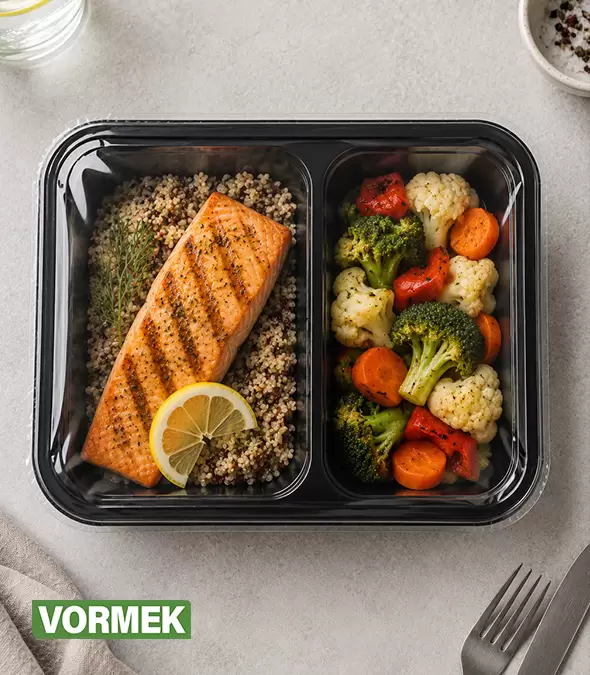
هذه الميزة ذات قيمة خاصة للمنتجات التي تحتوي على خضروات ملونة، أو معكرونة، أو أرز، أو لحوم ممتازة، أو عروض وجبات مرتبة بعناية.
سلامة الختم: أساس أداء MAP
حتى مواد التغليف الممتازة لا يمكنها تعويض جودة الختم الرديئة.
تمثل سلامة الختم واحدة من أهم معايير الجودة في التعبئة بالغازات المعدلة.
قد تكون قناة مجهرية داخل الختم كافية للسماح بتسرب الأكسجين أو تسرب ثاني أكسيد الكربون.
تشمل عواقب سوء الختم:
- فقدان الغلاف الجوي الواقي
- تسريع النمو الميكروبي
- تقليل العمر الافتراضي
- جفاف المنتج
- شكاوى التجزئة
- زيادة مرتجعات المنتج
تعتمد جودة الختم على العديد من المتغيرات بما في ذلك:
- درجة حرارة الختم
- الضغط
- زمن المكوث
- توافق الفيلم
- هندسة الصينية
- معايرة الماكينة
تراقب آلات الختم الحراري الأوتوماتيكية الحديثة معلمات الختم بشكل مستمر لضمان جودة العبوة المتكررة طوال الإنتاج.
يجب أن يشكل الفحص الروتيني للختم جزءاً من برنامج ضمان الجودة لكل مصنّع.
مواد الصواني للوجبات الجاهزة
يعد اختيار مادة الصينية الصحيحة أمراً بالغ الأهمية أيضاً.
يجب أن تتحمل صواني الوجبات الجاهزة التعبئة، والختم، والتخزين المبرد، والنقل، ومناولة المستهلك مع الحفاظ على السلامة الهيكلية.
يتم استخدام عدة مواد للصواني بشكل شائع.
البولي بروبيلين (PP)
يعتبر البولي بروبيلين من أكثر مواد الصواني استخداماً على نطاق واسع بسبب مقاومته الحرارية الممتازة وتوافقه مع إعادة التسخين بالميكروويف.
تشمل المزايا:
- خصائص ختم جيدة
- مقاومة درجات الحرارة العالية
- بناء خفيف الوزن
- فعالية من حيث التكلفة
- قابلية إعادة التدوير في العديد من المناطق
تُختار صواني PP عادةً للوجبات الجاهزة المبردة المعدة للتحضير بالميكروويف.
CPET (بولي إيثيلين تيريفثاليت المتبلور)
توفر صواني CPET ثباتاً حرارياً ممتازاً.
إنها مناسبة للمنتجات التي تتطلب:
- التسخين بالفرن
- التسخين بالميكروويف
- التخزين المبرد
- التخزين المجمد
قدرتها على تحمل نطاقات درجات حرارة واسعة تجعلها شائعة لتطبيقات الوجبات الجاهزة المتميزة.
APET (PET غير المتبلور)
توفر صواني APET وضوحاً استثنائياً وعرضاً جذاباً للمنتج.
تُستخدم هذه الصواني بشكل متكرر عندما يمثل المظهر البصري عاملاً رئيسياً في الشراء.
تجمع بين:
- شفافية ممتازة
- قوة ميكانيكية جيدة
- جاذبية عالية للمستهلك
ومع ذلك، تختلف مقاومتها الحرارية عن CPET ويجب أخذها في الاعتبار أثناء تطوير المنتج.
التغليف أحادي المادة
أدى تزايد المخاوف البيئية إلى تسريع تطوير التغليف أحادي المادة القابل لإعادة التدوير.
على عكس الهياكل متعددة الطبقات التقليدية التي تحتوي على بوليمرات غير متوافقة، تعمل الحلول أحادية المادة على تبسيط إعادة التدوير مع الحفاظ على أداء تغليف مقبول.
على الرغم من استمرار تحسن أداء الحاجز، يجب على المهندسين الموازنة بعناية بين أهداف الاستدامة ومتطلبات العمر الافتراضي.
القوة الميكانيكية أثناء التوزيع
غالباً ما تتعرض الوجبات الجاهزة لإجهاد ميكانيكي كبير أثناء النقل ومناولة التجزئة.
يجب أن تقاوم مواد التغليف:
- الضغط
- الثقب
- الصدمات
- الاهتزاز
- ضغط التكديس
لا يؤدي الفشل الميكانيكي إلى إتلاف مظهر المنتج فحسب، بل قد يضر أيضاً بسلامة الختم والغلاف الجوي للعبوة.
قد يؤدي اختيار المواد بناءً على أداء الحاجز فقط دون النظر إلى القوة الميكانيكية إلى فشل توزيع مكلف.
توافق التغليف مع معدات MAP
يجب أن تكون مواد التغليف الحديثة متوافقة تماماً مع أنظمة الختم الحراري للصواني الأوتوماتيكية.
يؤثر اختيار المواد على:
- اتساق الختم
- سرعة الماكينة
- تتبع الفيلم
- أداء التفريغ
- كفاءة شطف الغاز
- تحرير العبوة
غالباً ما تؤدي المواد غير المتوافقة إلى:
- ختم متجعد
- تمزق الفيلم
- تلوث الختم
- تسرب العبوة
- توقف الإنتاج
لهذا السبب، يجب دائماً التحقق من صحة مواد التغليف في ظل ظروف الإنتاج الفعلية قبل التنفيذ التجاري على نطاق واسع.
اعتبارات الاستدامة
أصبحت الاستدامة أولوية مركزية في جميع أنحاء صناعة تغليف المواد الغذائية.
يسعى المصنّعون بشكل متزايد إلى الحصول على مواد تغليف تجمع بين:
- عمر افتراضي ممتد
- تأثير بيئي أقل
- استهلاك أقل للبلاستيك
- قابلية محسّنة لإعادة التدوير
- بصمة كربونية أقل
يساهم إطالة العمر الافتراضي للمنتج نفسه بشكل كبير في الاستدامة عن طريق تقليل هدر الطعام طوال سلسلة التوريد.
في كثير من الحالات، يكون لمنع هدر الطعام تأثير بيئي إيجابي أكبر من مجرد تقليل مواد التغليف، مما يجعل تغليف MAP عالي الأداء مكوناً مهماً للإنتاج الغذائي المستدام.
التحقق من صحة التغليف ومراقبة الجودة
اختيار مادة التغليف المناسبة هو البداية فقط.
يقوم مصنّعو الوجبات الجاهزة المحترفون بشكل روتيني بالتحقق من أداء التغليف من خلال الاختبارات المعملية والإنتاجية.
تشمل التقييمات النموذجية:
- اختبار معدل انتقال الأكسجين (OTR)
- اختبار معدل انتقال بخار الماء (WVTR)
- تحليل قوة الختم
- اختبار الانفجار
- اختبار اختراق الصبغة
- اختبار تسرب الفراغ
- قياس الاحتفاظ بالغاز
- اختبار الضغط
- اختبار السقوط
- التحقق من صحة العمر الافتراضي تحت التبريد التجاري
تضمن إجراءات مراقبة الجودة هذه استمرار مواد التغليف في حماية جودة المنتج طوال التصنيع، والنقل، وعرض البيع بالتجزئة، وتخزين المستهلك.
أفضل الممارسات لاختيار مواد التغليف
يقيم مهندسو التغليف الناجحون مواد التغليف كنظم كاملة بدلاً من مكونات فردية.
قبل اختيار الصينية أو فيلم الختم، يجب على المصنّعين تقييم ما يلي بعناية:
- تركيبة المنتج
- محتوى الدهون
- مستوى الرطوبة
- العمر الافتراضي المطلوب
- تركيبة الغاز
- درجة حرارة التعبئة
- عملية التبريد
- مسافة التوزيع
- ظروف البيع بالتجزئة
- طريقة تحضير المستهلك
- أهداف الاستدامة
- سرعة الإنتاج
- توافق المعدات
فقط بعد النظر في جميع هذه المتغيرات يمكن للمصنّعين تحديد حل التغليف الأمثل لتطبيق الوجبات الجاهزة المحدد الخاص بهم.
دور هندسة التغليف في إطالة العمر الافتراضي
تطور تغليف الوجبات الجاهزة الحديث إلى مجال هندسي متعدد التخصصات يجمع بين علوم الأغذية، وتكنولوجيا البوليمرات، وعلم الأحياء الدقيقة، والهندسة الميكانيكية، والأتمتة.
العبوة الفعالة لـ MAP ليست مجرد صينية مغطاة بفيلم – إنها نظام حفظ مصمم بعناية تعمل فيه تركيبة الغاز، ومواد الحاجز، وسلامة الختم، وتصميم الصينية، وظروف المعالجة معاً للحفاظ على جودة الطعام طوال الحياة التجارية للمنتج.
بالنسبة للمصنّعين الذين يسعون لتحقيق النجاح على المدى الطويل، فإن الاستثمار في مواد التغليف عالية الجودة ليس نفقة إضافية بل استثمار استراتيجي يحسن سلامة المنتج، ويعزز سمعة العلامة التجارية، ويقلل من هدر الطعام، ويعزز الربحية الإجمالية.
توصيات المعدات
يعتمد أداء التعبئة بالغازات المعدلة (MAP) ليس فقط على تركيبة الغاز ومواد التغليف ولكن أيضاً على قدرة معدات التغليف نفسها. حتى خليط الغاز المختار بعناية وأفضل فيلم حاجز لا يمكنهما تعويض مستويات التفريغ غير المتسقة، أو سلامة الختم الرديئة، أو شطف الغاز غير الدقيق، أو ظروف الإنتاج غير المستقرة.
بالنسبة لمصنّعي الوجبات الجاهزة، يعد الاستثمار في معدات تغليف موثوقة قراراً استراتيجياً يؤثر بشكل مباشر على جودة المنتج، وكفاءة الإنتاج، وتكاليف التشغيل، ورضا العملاء. تجمع أنظمة تغليف MAP الحديثة بين الهندسة الدقيقة، والأتمتة، وتقنيات مراقبة الجودة لضمان أن كل عبوة تغادر خط الإنتاج تلبي نفس المعيار العالي.
تستند توصيات المعدات التالية إلى أفضل الممارسات الحالية في صناعة الوجبات الجاهزة.
آلات الختم الحراري الأوتوماتيكية للصواني بتقنية MAP
بالنسبة لمعظم مصنّعي الوجبات الجاهزة، تعتبر آلة الختم الحراري الأوتوماتيكية للصواني بتقنية MAP حل التغليف المفضل. تجمع هذه الآلات بين تطبيق التفريغ، وشطف الغاز، والختم الحراري في عملية آلية واحدة، منتجة عبوات متسقة وعالية الجودة بأقل تدخل من المشغل.
آلات الختم الحراري للصواني الأوتوماتيكية مناسبة بشكل خاص للإنتاج متوسط الحجم والكبير لأنها توفر أداء تغليف متكرر مع تقليل متطلبات العمالة.
تشمل المزايا الرئيسية:
- جودة ختم متسقة
- استبدال دقيق للغاز
- قدرة إنتاجية عالية
- تقليل أخطاء المشغل
- تحسين مظهر التغليف
- انخفاض معدلات رفض المنتج
- توافق ممتاز مع الأفلام عالية الحاجز
يمكن لآلات الختم الحراري للصواني الأوتوماتيكية الحديثة تعبئة مجموعة واسعة من المنتجات، بما في ذلك أطباق اللحوم، ووجبات المعكرونة، وأطباق الأرز، والوجبات النباتية، والمأكولات البحرية، ومنتجات الألبان، والأطعمة الجاهزة المتميزة.
آلات الختم الحراري للصواني بتقنية MAP عالية السرعة
غالباً ما يحتاج مصنّعو الأغذية على نطاق واسع الذين يزودون محلات السوبر ماركت وسلاسل البيع بالتجزئة الوطنية إلى سرعات إنتاج تتجاوز عدة آلاف من العبوات في الساعة.
في هذه البيئات، توفر آلات الختم الحراري للصواني بتقنية MAP عالية السرعة إنتاجية استثنائية مع الحفاظ على جودة تغليف دقيقة.
تشمل الميزات النموذجية:
- أنظمة حركة تعمل بالسيرفو
- تغذية أوتوماتيكية مستمرة للصواني
- فصل تلقائي للصواني
- نقل فيلم عالي السرعة
- تحكم ذكي في التفريغ
- خلط غاز تلقائي
- أنظمة فحص بالرؤية
- رفض تلقائي للعبوات المعيبة
- إدارة الوصفات عبر واجهة المشغل
تقلل الأنظمة عالية السرعة بشكل كبير من تكاليف الإنتاج مع ضمان جودة عبوة متسقة طوال فترات الإنتاج الطويلة.
آلات التغليف بالتشكيل الحراري
على الرغم من أن آلات ختم الصواني تهيمن على قطاع الوجبات الجاهزة، يفضل بعض المصنّعين آلات التغليف بالتشكيل الحراري، خاصة عند إنتاج كميات كبيرة جداً أو السعي إلى مرونة تغليف أكبر.
تصنع آلات التشكيل الحراري العبوة مباشرة من فيلم البكرة قبل التعبئة والختم.
تشمل المزايا:
- تقليل مخزون مواد التغليف
- أبعاد عبوة مرنة
- تكلفة تغليف أقل لكل وحدة
- إنتاج مستمر
- تكامل ممتاز مع أنظمة التعبئة الآلية
- كفاءة إنتاجية عالية
تعتبر تقنية التشكيل الحراري جذابة بشكل خاص للمصنّعين الذين ينتجون تنسيقات وجبات جاهزة موحدة بكميات كبيرة.
أنظمة التفريغ
يعد توليد التفريغ من أهم مراحل عملية MAP.
قبل إدخال الغلاف الجوي المعدل، يجب إزالة الهواء المتبقي داخل العبوة بأكبر قدر ممكن.
توفر أنظمة التفريغ عالية الأداء:
- مستويات تفريغ مستقرة
- ظروف تغليف متكررة
- أكسجين متبقي منخفض
- كفاءة محسّنة لاستبدال الغاز
- اتساق أفضل للعمر الافتراضي
يمكن أن يترك أداء التفريغ غير الكافي أكسجيناً زائداً داخل العبوة، مما يقلل من فعالية الغلاف الجوي المعدل.
لذلك، تعتبر الصيانة الروتينية لمضخات التفريغ ضرورية للإنتاج الموثوق.
أنظمة خلط الغاز
تعد تركيبة الغاز الدقيقة أساسية لنجاح التعبئة بالغازات المعدلة.
تقوم أنظمة خلط الغاز الحديثة بخلط ثاني أكسيد الكربون والنيتروجين والأكسجين من الدرجة الغذائية تلقائياً وفقاً لوصفات محددة مسبقاً.
تقدم خلاطات الغاز المتقدمة:
- دقة خلط عالية
- مراقبة مستمرة للغاز
- تنظيم تلقائي للضغط
- تخزين رقمي للوصفات
- التكامل مع آلات التغليف
- التحكم في العمليات في الوقت الفعلي
يزيل خلط الغاز الآلي العديد من التناقضات المرتبطة بضبط الغاز اليدوي مع ضمان حصول كل عبوة على الغلاف الجوي المطلوب.
معدات تحليل الغاز
لا ينتهي ضمان الجودة بمجرد إغلاق العبوة.
يجب على المصنّعين التحقق بشكل روتيني من الغلاف الجوي الداخلي للعبوة باستخدام معدات تحليل الغاز.
تقيس أجهزة تحليل الغاز الأكسجين المتبقي، وتركيز ثاني أكسيد الكربون، وتوازن النيتروجين عند الاقتضاء.
يسمح تحليل الغاز الروتيني للمصنّعين باكتشاف:
- تسرب الغاز
- نسب غاز غير صحيحة
- مشاكل التفريغ
- أخطاء معايرة المعدات
- فشل مواد التغليف
تضمن المراقبة المستمرة أن يظل أداء MAP متسقاً طوال الإنتاج.
أنظمة التعبئة الآلية
تلعب مرحلة التعبئة دوراً مهماً في كل من جودة المنتج وكفاءة التغليف.
توظف خطوط الوجبات الجاهزة الحديثة أنظمة تعبئة آلية قادرة على التعامل مع المنتجات ذات الخصائص الفيزيائية المختلفة.
اعتماداً على التطبيق، قد يستخدم المصنّعون:
- موازين متعددة الرؤوس
- آلات تعبئة حجمية
- آلات تعبئة مكبسية
- آلات تعبئة بالجاذبية
- أنظمة تقسيم محكومة بالسيرفو
توفر التعبئة الدقيقة العديد من المزايا المهمة:
- وزن حصة ثابت
- عرض محسّن
- تقليل هدر المنتج
- استخدام أفضل للصينية
- كفاءة إنتاجية أعلى
تمنع التعبئة الدقيقة أيضاً تلوث المنتج داخل منطقة الختم، وهو أمر ضروري لتحقيق سلامة ختم موثوقة.
أنظمة فصل الصواني
تقوم أجهزة فصل الصواني الأوتوماتيكية بفصل ووضع الصواني قبل التعبئة.
تعمل هذه الأنظمة على تحسين كفاءة الإنتاج من خلال التخلص من مناولة الصواني اليدوية.
تشمل الفوائد:
- سرعة إنتاج أعلى
- نظافة محسّنة
- تقليل متطلبات العمالة
- وضع ثابت للصواني
- تزامن أفضل مع معدات التعبئة
يصبح فصل الصواني ذا قيمة خاصة في خطوط إنتاج الوجبات الجاهزة الآلية بالكامل.
أتمتة الناقل
تقليل مناولة المنتج بين مراحل المعالجة يقلل من مخاطر التلوث.
تنقل أنظمة الناقل المتكاملة الصواني عبر:
- التعبئة
- الفحص
- ختم MAP
- وضع الملصقات
- الوزن التدقيقي
- تعبئة الحالات
تعمل تخطيطات الناقل المصممة جيداً على تحسين سير العمل مع تقليل اختناقات الإنتاج.
أنظمة الفحص بالرؤية
يعتمد مصنّعو الأغذية الحديثون بشكل متزايد على تقنية الرؤية الآلية للتحقق من جودة التغليف.
تكتشف أنظمة الفحص بالرؤية تلقائياً:
- المنتجات المفقودة
- وضع الصينية غير الصحيح
- تجاعيد الفيلم
- تلوث الختم
- أخطاء وضع الملصق
- عيوب الطباعة
- الأجسام الغريبة
تقوم آليات الرفض التلقائي بإزالة العبوات المعيبة قبل وصولها إلى المستهلكين.
تعمل هذه التقنية على تحسين ضمان الجودة بشكل كبير مع تقليل متطلبات الفحص اليدوي.
معدات اختبار سلامة الختم
تعد جودة الختم أمراً بالغ الأهمية للحفاظ على الغلاف الجوي المعدل طوال التخزين.
يجب على المصنّعين تقييم سلامة الختم بانتظام باستخدام معدات اختبار متخصصة.
تشمل طرق الاختبار الشائعة:
- اختبار الانفجار
- اختبار اختراق الصبغة
- اختبار غرفة التفريغ
- اختبار قوة التقشير
- أنظمة كشف التسرب
يحدد التحقق الروتيني من الختم حالات فشل التغليف المحتملة قبل دخول المنتجات إلى السوق.
موازين التدقيق
تضمن موازين التدقيق الأوتوماتيكية أن كل عبوة تلبي مواصفات الوزن الصافي المعلنة.
بالإضافة إلى الامتثال التنظيمي، تساعد موازين التدقيق المصنّعين على:
- تقليل هدر المنتج
- تحسين اتساق العملية
- اكتشاف مشاكل معدات التعبئة
- تقليل شكاوى العملاء
ترفض العديد من الأنظمة الحديثة تلقائياً العبوات ناقصة الوزن أو زائدة الوزن.
كشف المعادن والفحص بالأشعة السينية
تبقى سلامة الأغذية الأولوية القصوى في تصنيع الوجبات الجاهزة.
تدمج خطوط التغليف بشكل متكرر:
- كاشفات المعادن
- أنظمة الفحص بالأشعة السينية
تحدد هذه التقنيات الملوثات الفيزيائية قبل إطلاق المنتجات للتوزيع.
يعمل دمج كشف التلوث في خط التغليف على تحسين سلامة المستهلك مع دعم الامتثال لمعايير سلامة الأغذية الدولية.
أنظمة وضع الملصقات والتتبع
يدعم وضع الملصقات الدقيق تحديد المنتج، وإمكانية التتبع، والامتثال التنظيمي.
تقوم أنظمة وضع الملصقات الآلية عادة بتطبيق:
- معلومات المنتج
- أرقام الدفعة
- تواريخ الإنتاج
- تواريخ انتهاء الصلاحية
- الباركود
- رموز QR
تعزز أنظمة التتبع الرقمية شفافية سلسلة التوريد من خلال السماح بتحديد دفعات الإنتاج بسرعة كلما أصبحت التحقيقات في الجودة ضرورية.
دمج سلسلة التبريد
حتى أحدث معدات التغليف لا يمكنها تعويض التحكم غير الكافي في درجة الحرارة.
مباشرة بعد التغليف، يجب أن تدخل الوجبات الجاهزة إلى التخزين المبرد في أسرع وقت ممكن.
تشمل الإدارة الفعالة لسلسلة التبريد:
- النقل السريع إلى التخزين البارد
- مراقبة مستمرة لدرجة الحرارة
- النقل المبرد
- عرض البيع بالتجزئة المتحكم فيه
- تسجيل درجة الحرارة طوال التوزيع
يعد الحفاظ على درجات حرارة بين 0 درجة مئوية و 4 درجات مئوية أمراً ضرورياً لتعظيم فوائد تقنية MAP.
الصيانة الوقائية
تعمل معدات التغليف بأكبر قدر من الفعالية عندما تدعمها برامج الصيانة الوقائية المنظمة.
يجب أن تشمل الصيانة الروتينية:
- خدمة مضخة التفريغ
- فحص شريط الختم
- معايرة درجة الحرارة
- معايرة محلل الغاز
- فحص النظام الهوائي
- التزييت
- تحديثات البرامج
- التحقق من المستشعرات
تقلل الصيانة الوقائية من التوقف غير المتوقع مع تحسين اتساق التغليف على المدى الطويل.
أفضل الممارسات لتعظيم العمر الافتراضي للوجبات الجاهزة
يجب على المصنّعين الذين يسعون للحصول على أطول عمر افتراضي مبرد ممكن أن يتبنوا نهجاً شاملاً يدمج علوم الأغذية مع هندسة التغليف.
تشمل أفضل الممارسات الموصى بها:
- التحقق من صحة تركيبة المنتج قبل الإنتاج التجاري.
- تطبيق معالجة حرارية فعالة مع الحفاظ على الجودة الحسية.
- تبريد المنتجات بسرعة بعد الطهي.
- الحفاظ على ظروف صحية صارمة أثناء التعبئة.
- اختيار مخاليط غاز مصممة خصيصاً لكل نوع وجبة.
- استخدام صواني وأفلام ختم عالية الحاجز.
- التحقق من سلامة الختم طوال الإنتاج.
- مراقبة الأكسجين المتبقي وثاني أكسيد الكربون بانتظام.
- الحفاظ على سلسلة تبريد مبردة دون انقطاع.
- إجراء دراسات التحقق من صحة العمر الافتراضي الميكروبي.
- تدريب المشغلين على التحكم في عملية MAP.
- إجراء صيانة وقائية روتينية لمعدات التغليف.
- مراجعة أداء التغليف باستمرار باستخدام بيانات الجودة.
الاتجاهات المستقبلية في تغليف الوجبات الجاهزة
تواصل صناعة الوجبات الجاهزة التطور مع زيادة توقعات المستهلكين ومتطلبات الاستدامة.
من المتوقع أن تشكل العديد من التقنيات الناشئة مستقبل تغليف MAP.
تشمل هذه:
- التغليف الذكي مع مؤشرات الطزاجة
- التغليف النشط الذي يحتوي على مواد كاسحة للأكسجين
- مواد تغليف مضادة للميكروبات
- أفلام حاجز أحادية المادة قابلة لإعادة التدوير
- الذكاء الاصطناعي للنمذجة التنبؤية للعمر الافتراضي
- تقنية التوأم الرقمي لتحسين التغليف
- التعلم الآلي للتنبؤ بالجودة
- خطوط تغليف متصلة بالكامل من الصناعة 4.0
- التشخيص عن بعد للمعدات
- مواد تغليف مستدامة ذات أداء حاجز محسّن
ستساعد هذه الابتكارات معاً المصنّعين على إنتاج أغذية أكثر أماناً مع تقليل الهدر وتحسين الكفاءة التشغيلية.
الاستنتاج
يتم تحقيق “إطالة العمر الافتراضي للوجبات الجاهزة باستخدام تقنية التعبئة بالغازات المعدلة” من خلال التكامل الناجح لعلوم الأغذية، وعلم الأحياء الدقيقة، وهندسة التغليف، والأتمتة، وإدارة الجودة. التغليف بالغازات المعدلة ليس مجرد تقنية تغليف – بل هو استراتيجية حفظ شاملة تحمي جودة المنتج من خط الإنتاج إلى مائدة المستهلك.
يعد اختيار خليط الغاز المناسب، واستخدام مواد التغليف عالية الحاجز، والحفاظ على سلامة ختم ممتازة، والاستثمار في معدات تغليف موثوقة كلها مكونات أساسية لنظام MAP فعال. عندما تدعمها المعالجة الصحية، والتبريد السريع، وسلسلة تبريد دون انقطاع، تعمل هذه التقنيات على إطالة العمر الافتراضي المبرد بشكل كبير مع الحفاظ على الطزاجة، والمظهر، والنكهة، وسلامة الغذاء.
بالنسبة لمصنّعي الوجبات الجاهزة، يترجم العمر الافتراضي الأطول إلى تقليل هدر الطعام، ومرونة توزيع أكبر، وتكاليف تشغيل أقل، وثقة محسّنة للمستهلك، وقدرة تنافسية أقوى للعلامة التجارية. مع استمرار نمو الطلب على الأطعمة الجاهزة المتميزة في جميع أنحاء العالم، ستكون الشركات التي تستثمر في حلول تغليف MAP المتقدمة في وضع أفضل لتلبية توقعات السوق المتطورة مع الحفاظ على أعلى معايير الجودة والاستدامة.
في Vormek، نعتقد أن تغليف الوجبات الجاهزة الناجح يبدأ بالتميز الهندسي. تم تصميم حلولنا المتقدمة لختم الصواني بتقنية MAP لمساعدة معالجي الأغذية على تحقيق أداء تغليف متسق، وإطالة موثوقة للعمر الافتراضي، وكفاءة إنتاجية تدعم نمو الأعمال على المدى الطويل.
الأسئلة الشائعة (FAQ)
ما هو العمر الافتراضي النموذجي للوجبات الجاهزة المبردة المعبأة بتقنية MAP؟
يعتمد العمر الافتراضي على تركيبة المنتج، وظروف المعالجة، ودرجة حرارة التخزين، ومواد التغليف، وتركيبة الغاز. في ظل ظروف تم التحقق من صحتها بشكل صحيح، يمكن لـ MAP إطالة العمر الافتراضي المبرد بشكل كبير مقارنة بالتغليف الهوائي التقليدي.
ما هو الغاز الأكثر أهمية في التعبئة بالغازات المعدلة؟
يوفر ثاني أكسيد الكربون (CO₂) التأثير المضاد للميكروبات الأساسي، بينما يثبت النيتروجين (N₂) العبوة ويقلل الأكسدة، بينما يتم ضبط الأكسجين (O₂) وفقاً للمتطلبات المحددة للغذاء.
هل يمكن لـ MAP أن تحل محل التبريد؟
لا. تعمل MAP كملحق للتبريد ولكنها لا تستطيع استبداله. يعد الحفاظ على سلسلة تبريد مستمرة أمراً ضرورياً لسلامة الغذاء وأداء العمر الافتراضي.
لماذا تعتبر الأفلام عالية الحاجز ضرورية؟
تقلل الأفلام عالية الحاجز من دخول الأكسجين وفقدان ثاني أكسيد الكربون، مما يحافظ على الغلاف الجوي المعدل طوال التخزين ويضمن جودة المنتج المتسقة.
هل MAP مناسبة لجميع الوجبات الجاهزة؟
تستفيد معظم الوجبات الجاهزة المبردة من MAP، ولكن يجب تخصيص تركيبة الغاز، ومواد التغليف، وظروف المعالجة لكل منتج من خلال التحقق من صحة العمر الافتراضي.
ما هو السبب الأكبر لفشل MAP؟
تشمل الأسباب الأكثر شيوعاً ضعف سلامة الختم، ومخاليط الغاز غير الصحيحة، والتبريد غير الكافي، ومواد التغليف غير المناسبة، وسوء النظافة أثناء التعبئة.
ما هي معدات التغليف الموصى بها للوجبات الجاهزة؟
تعتبر آلات الختم الحراري للصواني الأوتوماتيكية بتقنية MAP الحل المفضل لمعظم تطبيقات الوجبات الجاهزة، بينما تعتبر آلات التشكيل الحراري مثالية للإنتاج الموحد عالي الحجم.
كيف يمكن للمصنّعين تعظيم العمر الافتراضي؟
يتطلب النجاح الجمع بين المعالجة الصحية، والتبريد السريع، ومخاليط الغاز المحسّنة، ومواد التغليف عالية الحاجز، ومعدات الختم الموثوقة، والإدارة المستمرة لسلسلة التبريد، والتحقق الميكروبي المنتظم في استراتيجية حفظ متكاملة واحدة.