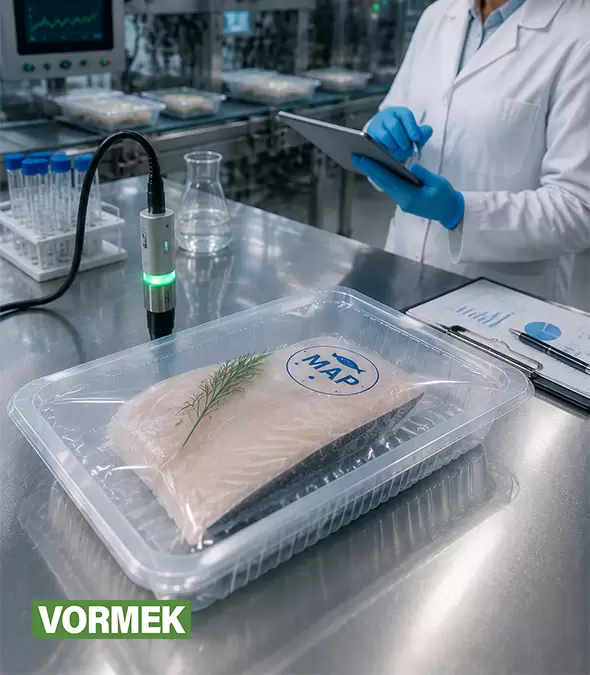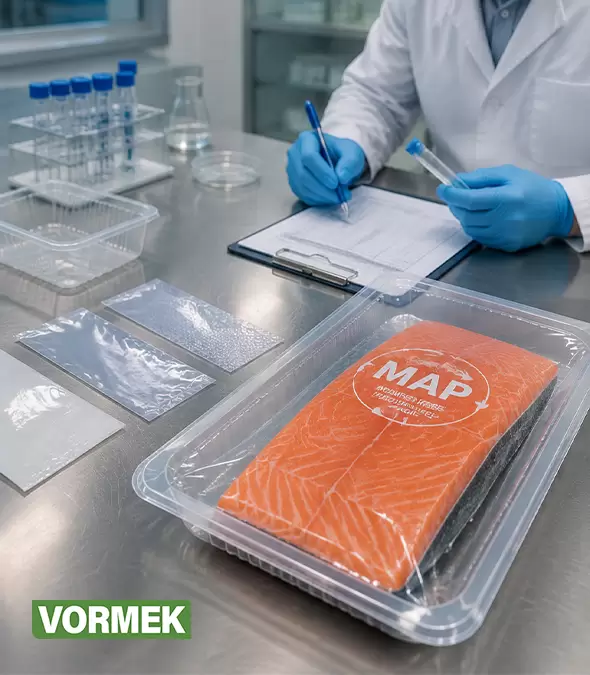
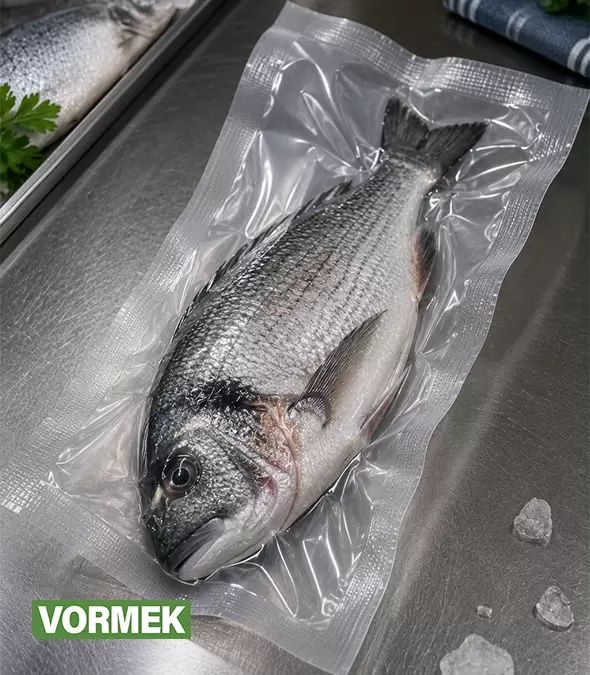
يعد اختيار آلة التعبئة والتغليف أحد القرارات الأكثر استراتيجية لأي معالج للمأكولات البحرية. على عكس العديد من فئات الأغذية، فإن المأكولات البحرية سريعة التلف وحساسة للنمو الميكروبي، والأكسدة، وفقدان الرطوبة، وتقلبات درجات الحرارة. لذلك، يلعب التغليف دوراً حاسماً في الحفاظ على جودة المنتج، وإطالة العمر الافتراضي، وضمان سلامة الأغذية طوال التوزيع.
يجب على مصنّعي المأكولات البحرية اليوم أيضاً الاستجابة لتوقعات السوق المتغيرة. يطلب تجار التجزئة عمراً افتراضياً أطول، ويتوقع المستهلكون تغليفاً جذاباً وجودة متسقة، وتستمر لوائح سلامة الأغذية في التزايد صرامة. في الوقت نفسه، يتعرض المعالجون لضغوط لزيادة الإنتاجية، وتقليل الاعتماد على العمالة، وتقليل هدر التغليف، وتحسين الكفاءة التشغيلية.
لهذه الأسباب، يجب ألا يعتمد اختيار آلة التعبئة والتغليف أبداً على سعر الشراء فقط أو سرعة الإنتاج المعلن عنها. يجب أن تناسب الآلة المناسبة المنتج، وعملية الإنتاج، وطريقة التغليف، واستراتيجية العمل طويلة الأجل.
يشرح هذا الدليل العوامل الهندسية والتشغيلية والتجارية الرئيسية التي يجب تقييمها قبل الاستثمار في معدات تغليف المأكولات البحرية. سواء كنت تغلف الأسماك الطازجة، أو السلمون، أو الروبيان، أو المحار، أو المأكولات البحرية المجمدة، أو وجبات المأكولات البحرية ذات القيمة المضافة، فإن اتباع عملية اختيار منظمة سيساعد في زيادة الإنتاجية إلى أقصى حد مع تقليل تكاليف التشغيل طويلة الأجل.
لماذا تعتبر معدات التغليف حاسمة لتجهيز المأكولات البحرية
تستمر المأكولات البحرية في التدهور بعد الحصاد بسبب النشاط الإنزيمي، والنمو الميكروبي، والأكسدة. يؤدي التبريد المناسب إلى إبطاء هذه العمليات، لكن التغليف يحدد إلى حد كبير مدى فعالية الحفاظ على النضارة أثناء التخزين والنقل.
يوفر نظام التغليف المختار بشكل صحيح عدة فوائد مهمة:
- يطيل العمر الافتراضي المبرد
- يحافظ على مظهر المنتج
- يحمي من التلوث
- يقلل الأكسدة
- يحسن موثوقية الغلق
- يقلل من هدر المنتج
- يدعم الامتثال لسلامة الأغذية
- يزيد من كفاءة الإنتاج
على العكس، قد يؤدي سوء اختيار المعدات إلى أغلفة ضعيفة، وأكسجين متبقي مفرط، وفشل في التغليف، وتوقف غير ضروري، وزيادة تكاليف التشغيل.
نظراً لأن التغليف يؤثر بشكل مباشر على جودة المنتج والربحية، يجب التعامل مع اختيار المعدات كاستثمار طويل الأجل بدلاً من مجرد قرار شراء بسيط.
ابدأ بحجم الإنتاج وتخطيط السعة
الخطوة الأولى في اختيار أي آلة لتغليف المأكولات البحرية هي تحديد متطلبات الإنتاج الخاصة بك.
تبدأ العديد من الشركات بمقارنة مواصفات الآلات، لكن مهندسي التغليف ذوي الخبرة يحسبون أولاً سعة الإنتاج المطلوبة. وهذا يضمن اختيار المعدات بناءً على الاحتياجات التشغيلية بدلاً من الادعاءات التسويقية.
قبل تقييم موديلات الآلات، أجب على الأسئلة التالية:
- كم عدد العبوات المنتجة لكل وردية؟
- كم ساعة تشغيل متاحة كل يوم؟
- كم عدد مرات تبديل المنتج التي تحدث كل أسبوع؟
- هل الإنتاج موسمي أم ثابت طوال العام؟
- هل هناك منتجات جديدة مخططة خلال السنوات الثلاث إلى الخمس القادمة؟
- هل ستزيد مبيعات التصدير من الطلب على الإنتاج؟
تحدد هذه الإجابات ملف الإنتاج الذي يحدد حجم الآلة، ومستوى الأتمتة، وتكوين الأدوات، وسعة التفريغ.
حساب متطلبات الإنتاج الفعلية
تأمل المثال التالي.
يقوم معالج للمأكولات البحرية بتغليف:
- 7200 صينية يومياً
- وردية واحدة مدتها 8 ساعات
الإنتاج المطلوب:
900 عبوة نهائية في الساعة
ومع ذلك، يفترض هذا الحساب إنتاجاً دون انقطاع.
في الواقع، يعاني كل خط إنتاج من انقطاعات مبرمجة، بما في ذلك:
- استبدال لفة الفيلم
- إعادة تعبئة الأطباق
- التنظيف والتعقيم
- تبديل المنتج
- الصيانة الوقائية
- فحوصات الجودة
- استراحات المشغلين
لهذا السبب، يوصي مهندسو التغليف عموماً باختيار معدات ذات سعة إضافية بنسبة 20-30% تتجاوز متطلبات الإنتاج الحالية. يحسن هذا الاحتياطي المرونة، ويستوعب الطلب الموسمي، ويقلل من خطر الاختناقات المستقبلية.
قياس الإنتاجية باستخدام العبوات في الساعة
أحد أكثر أخطاء الشراء شيوعاً هو مقارنة الآلات بناءً على الدورات في الدقيقة فقط.
لا تمثل سرعة الدورة وحدها سعة الإنتاج الفعلية. تعتمد الإنتاجية الحقيقية على عدة متغيرات، بما في ذلك:
- عدد الأطباق المغلقة لكل دورة
- تكوين الأداة
- وقت تحميل المنتج
- مدة التفريغ
- وقت الغسل الغازي (لـ MAP)
- سرعة تحديد موضع الفيلم
- مستوى الأتمتة
قد تعمل آلتا غلق أطباق بسرعة 10 دورات في الدقيقة، ومع ذلك يمكن لإحداهما إنتاج عدد أكبر بكثير من العبوات النهائية لأنها تغلق المزيد من الأطباق خلال كل دورة.
بالنسبة لقرارات الشراء، فإن العبوات النهائية في الساعة هي مؤشر الأداء الأكثر معنى.
اختر معدات تدعم النمو المستقبلي
من المتوقع عادةً أن تعمل آلات التغليف لسنوات عديدة. غالباً ما يؤدي اختيار المعدات بناءً على الإنتاج الحالي فقط إلى ترقيات مكلفة عند زيادة الطلب.
كمبدأ توجيهي عام:
| حجم الإنتاج | المعدات الموصى بها |
|---|---|
| حتى 500 عبوة/ساعة | آلة غلق أطباق شبه أوتوماتيكية |
| 500–1500 عبوة/ساعة | آلة غلق أطباق أوتوماتيكية |
| أكثر من 1500 عبوة/ساعة | آلة غلق أطباق خطية أوتوماتيكية بالكامل |
| إنتاج تصديري عالي الحجم | خط تغليف آلي متكامل |
يساعد اختيار آلة ذات سعة توسع معقولة المصنّعين على زيادة الإنتاج دون استبدال نظام التغليف بأكمله.
ضع في اعتبارك الفعالية الإجمالية للمعدات (OEE)
لا تحدد سعة الإنتاج وحدها كفاءة التغليف.
يقوم العديد من المصنّعين الآن بتقييم معدات التغليف باستخدام الفعالية الإجمالية للمعدات (OEE)، وهو مقياس أداء يجمع:
- التوفر – كم مرة تعمل الآلة عندما يكون مقرراً ذلك.
- الأداء – مدى قرب عمل الآلة من سرعتها المصممة.
- الجودة – النسبة المئوية للعبوات المنتجة بدون عيوب.
قد تحقق آلة ذات سرعة مصنفة أقل قليلاً ولكن OEE أعلى إنتاجاً يومياً أكبر من آلة أسرع تعاني من توقف متكرر أو مشاكل في الجودة.
عند مقارنة المعدات، اطلب من الموردين بيانات إنتاج فعلية بدلاً من السعات القصوى النظرية.
توصية خبير
قبل الموافقة على شراء آلة، قم بإجراء اختبار القبول في المصنع (FAT) باستخدام منتجات المأكولات البحرية الخاصة بك، والأطباق، وأفلام التغليف. قم بتقييم سلامة الغلق، ومظهر العبوة، واتساق التفريغ، وأداء الغسل الغازي (لتطبيقات MAP)، وقابلية تكرار الإنتاج. يعد الاختبار في ظل ظروف التشغيل الفعلية الطريقة الأكثر موثوقية لتأكيد أن المعدات ستلبي توقعات الأداء الخاصة بك بعد التركيب.
طابق آلة التغليف مع منتجك وطريقة التغليف الخاصة بك
بعد تحديد سعة الإنتاج، فإن الخطوة التالية هي اختيار المعدات التي تتطابق مع خصائص منتجات المأكولات البحرية الخاصة بك. هذه واحدة من أكثر المراحل أهمية في عملية الشراء لأن أداء التغليف يعتمد على التفاعل بين المنتج، ومواد التغليف، وتقنية الغلق، وقدرات الآلة.
الآلة التي تعمل بشكل استثنائي جيد مع السلمون الطازج قد لا تكون الحل الأفضل للروبيان المجمد أو المحار الحي. تؤثر أبعاد المنتج، ومحتوى الرطوبة، ومستويات الدهون، وظروف التخزين، ومتطلبات العمر الافتراضي جميعها على طريقة التغليف المثلى.
لهذا السبب، يجب أن يبدأ اختيار المعدات الاحترافي دائماً بالمنتج بدلاً من مواصفة الآلة.
اختر الآلة المناسبة لمنتج المأكولات البحرية الخاص بك
تتطلب منتجات المأكولات البحرية المختلفة تقنيات تغليف مختلفة.
| نوع المنتج | طريقة التغليف الموصى بها | الآلة الموصى بها |
|---|---|---|
| فيليه السمك الطازج | غلق أطباق MAP | آلة غلق أطباق أوتوماتيكية |
| أجزاء السلمون | MAP | آلة غلق أطباق أوتوماتيكية |
| السمك الكامل | التغليف الجلدي بالتفريغ أو MAP | آلة غلق أطباق عميقة |
| الروبيان والجمبري | MAP أو تفريغ | آلة غلق أطباق |
| المحار | MAP | آلة غلق أطباق أوتوماتيكية |
| المأكولات البحرية المجمدة | تفريغ أو غلق علوي | آلة غلق أطباق / غرفة تفريغ |
| المأكولات البحرية المدخنة | تفريغ | غرفة تفريغ |
يساعد اختيار المعدات وفقاً لخصائص المنتج في تحسين اتساق العبوة، والعمر الافتراضي، وكفاءة الإنتاج.
تغليف الأسماك الطازجة
تتدهور الأسماك الطازجة بسرعة بسبب النشاط الميكروبي والتفاعلات الإنزيمية. للحفاظ على الجودة، يجب أن تتحكم عملية التغليف باستمرار في التعرض للأكسجين وسلامة الغلق.
يجب أن توفر آلة التغليف المناسبة:
- درجة حرارة غلق مستقرة
- ضغط غلق موحد
- وقت تثبيت دقيق
- أداء تفريغ موثوق
- تحديد موضع ثابت للطبق
بالنسبة للمنتجات المبردة للبيع بالتجزئة، غالباً ما يُفضل التغليف بالغلاف الجوي المعدل (MAP) لأنه يطيل العمر الافتراضي المبرد مع الحفاظ على مظهر جذاب.
تغليف السلمون
يحتوي السلمون على تركيز عالٍ من الأحماض الدهنية غير المشبعة، مما يجعله عرضة بشكل خاص للأكسدة.
يجب أن تدعم أنظمة التغليف لذلك:
- أفلام عالية الحاجز
- غسل غازي دقيق لـ MAP
- أكسجين متبقي منخفض
- جودة غلق موثوقة
يحدد المعالجون الذين يزودون أسواق التجزئة الفاخرة أيضاً عادةً أفلاماً مضادة للضباب لتحسين رؤية المنتج أثناء العرض المبرد.
تغليف الروبيان والمحار
يمثل الروبيان والمحار تحديات إضافية بسبب:
- الرطوبة السطحية العالية
- الأشكال غير المنتظمة
- ارتفاعات التعبئة المتغيرة
- الطبقة الجليدية
- شظايا الأصداف
يجب أن تحافظ الآلات لذلك على أداء غلق متسق حتى عند وجود رطوبة حول حافة الطبق.
يعد تتبع الفيلم المستقر ومحاذاة الطبق الدقيقة أمرين ضروريين أيضاً لتقليل العبوات المرفوضة.
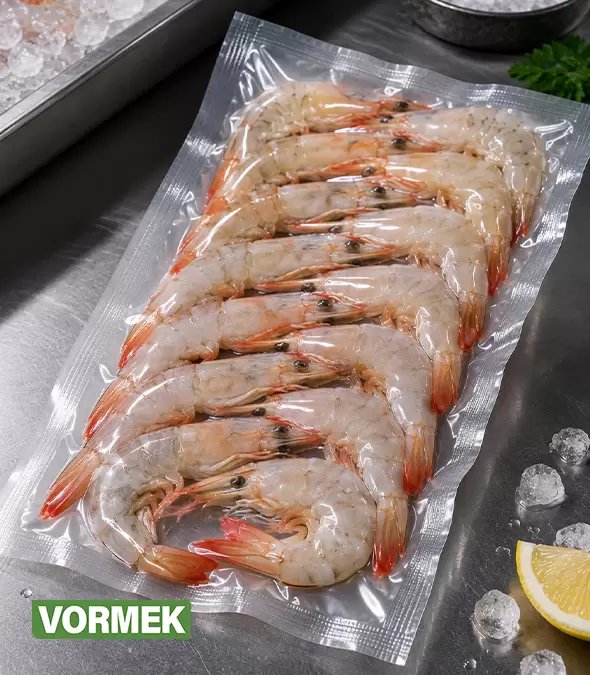
اختر تقنية التغليف المناسبة
يعد اختيار تقنية التغليف الصحيحة بنفس أهمية اختيار الآلة نفسها.
تشمل التقنيات الأكثر شيوعاً:
التغليف بالغلاف الجوي المعدل (MAP)
يستبدل MAP الهواء الجوي بخليط غازي محكم التحكم قبل الغلق.
تشمل المزايا النموذجية:
- عمر افتراضي مبرد ممتد
- نمو ميكروبي مخفض
- استقرار محسن للون
- عرض أفضل للبيع بالتجزئة
- انهيار أقل للعبوة
يستخدم MAP عادةً لـ:
- الأسماك الطازجة
- السلمون
- الروبيان
- منتجات المأكولات البحرية الفاخرة
التغليف بالتفريغ
يزيل التغليف بالتفريغ الهواء قبل الغلق.
تشمل مزاياه الأساسية:
- تقليل التعرض للأكسجين
- أبعاد عبوة مدمجة
- أداء ممتاز في التجميد
- استقرار محسن للنقل
التغليف بالتفريغ مناسب بشكل خاص لـ:
- المأكولات البحرية المجمدة
- الأسماك المدخنة
- منتجات قطاع الضيافة
- تطبيقات التصدير
التغليف الجلدي بالتفريغ (VSP)
بالنسبة لمنتجات المأكولات البحرية الفاخرة، يوفر التغليف الجلدي بالتفريغ عرضاً فائقاً للمنتج من خلال جعل الفيلم يلتصق بإحكام بالمنتج.
تشمل الفوائد:
- مظهر متميز على الرف
- حركة أقل للمنتج
- احتفاظ محسن بالسوائل المتسربة
- حماية ممتازة للمنتج
- عمر افتراضي ممتد
على الرغم من أن VSP يتطلب عموماً أدوات متخصصة وأفلاماً متوافقة، إلا أنه أصبح شائعاً بشكل متزايد لمنتجات المأكولات البحرية عالية القيمة المباعة عبر قنوات البيع بالتجزئة.
اختر أفلام التغليف بعناية
يجب دائماً تقييم آلة التغليف وفيلم التغليف كنظام كامل.
تشمل خصائص الفيلم المهمة:
- أداء حاجز الأكسجين
- أداء حاجز الرطوبة
- قوة الغلق
- درجة حرارة بدء الغلق
- المتانة الميكانيكية
- الشفافية
- أداء مضاد للضباب
- قابلية الطباعة
قد يؤدي استخدام فيلم غير مناسب إلى تقليل جودة العبوة حتى عند عمل آلة التغليف بشكل صحيح.
الأفلام عالية الحاجز
تتطلب معظم منتجات المأكولات البحرية المبردة أفلاماً متعددة الطبقات عالية الحاجز.
تشمل الهياكل النموذجية مجموعات من:
- البولي إيثيلين (PE)
- البولي بروبيلين (PP)
- البولي أميد (PA)
- إيثيلين فينيل كحول (EVOH)
تساهم كل طبقة بخصائص وظيفية مختلفة.
| المادة | الوظيفة الأساسية |
|---|---|
| PE | الغلق الحراري ومقاومة الرطوبة |
| PP | القوة الميكانيكية |
| PA | مقاومة الثقب |
| EVOH | حاجز الأكسجين |
يجب أن يكون نظام الغلق قادراً على إنتاج أغلفة قابلة للتكرار دون المساس بطبقة الحاجز.
فهم OTR و WVTR
عند مقارنة أفلام التغليف، تستحق مواصفتان تقنيتان اهتماماً خاصاً.
معدل نقل الأكسجين (OTR)
يقيس OTR كمية الأكسجين التي تمر عبر مادة التغليف.
توفر قيم OTR المنخفضة عموماً:
- تحكماً أفضل في الأكسدة
- عمراً افتراضياً أطول
- نضارة محسنة
- استقراراً أفضل للون
معدل نقل بخار الماء (WVTR)
يقيس WVTR انتقال الرطوبة عبر مادة التغليف.
يساعد التحكم المناسب في الرطوبة في منع:
- جفاف المنتج
- التكثف الزائد
- فقدان الوزن
- تغيرات الملمس
يعد تحقيق التوازن بين OTR و WVTR أمراً ضرورياً لتحقيق أداء العمر الافتراضي المطلوب.
لماذا تعتبر الأفلام المضادة للضباب مهمة
تنتج تقلبات درجات الحرارة أثناء التخزين البارد غالباً تكثفاً داخل عبوات المأكولات البحرية.
تمنع الأفلام المضادة للضباب تشكل قطرات الماء على السطح الداخلي، مما يحسن رؤية المنتج طوال عرض البيع بالتجزئة.
تشمل المزايا:
- عرض أفضل على الرف
- زيادة ثقة المستهلك
- رؤية محسنة للمنتج
- تقليل انطباع ضعف النضارة
بالنسبة لعلامات المأكولات البحرية الفاخرة، أصبح الأداء المضاد للضباب ميزة تسويقية مهمة بالإضافة إلى فوائده التقنية.
تحقق من نظام التغليف الكامل
يجب ألا يعتمد قرار الشراء النهائي على مواصفات الآلة فقط.
بدلاً من ذلك، تحقق من نظام التغليف الكامل باستخدام منتجاتك الفعلية:
- منتجات المأكولات البحرية
- أطباق التغليف
- أفلام التغليف
- معلمات الإنتاج
يجب أن يشمل اختبار القبول في المصنع (FAT) الشامل:
| الاختبار | الغرض |
|---|---|
| سلامة الغلق | كشف التسريبات أو الأغلفة الضعيفة |
| أداء التفريغ | التحقق من قابلية التكرار |
| دقة الغسل الغازي | تأكيد أداء MAP |
| قياس الأكسجين المتبقي | التحقق من جودة العبوة |
| تتبع الفيلم | تقليل هدر المواد |
| مظهر العبوة | تقييم جودة البيع بالتجزئة |
| تقييم التنظيف | التحقق من التصميم الصحي |
يوفر الاختبار في ظل ظروف الإنتاج الحقيقية دليلاً موضوعياً على أن المعدات يمكنها تلبية متطلباتك التشغيلية باستمرار.
توصية خبير
لا تختار آلة تغليف قبل اختيار مفهوم التغليف الخاص بك. حدد أولاً العمر الافتراضي المطلوب، وظروف التوزيع، وعرض البيع بالتجزئة، وتنسيق التغليف، وأهداف سلامة الأغذية. ثم اختر آلة قادرة على تلبية متطلبات الأداء هذه باستمرار. يقلل هذا النهج من مخاطر الاستثمار، ويحسن موثوقية التغليف، ويضمن بقاء المعدات مناسبة مع تطور أحجام الإنتاج ومتطلبات السوق.
اختر مستوى الأتمتة المناسب
بمجرد تحديد طريقة التغليف، يكون القرار التالي هو اختيار المستوى المناسب للأتمتة. يعتمد الاختيار الصحيح على حجم الإنتاج، وتوفر العمالة، وتنوع المنتجات، وخطط التوسع المستقبلية—وليس فقط على حجم ميزانيتك.
يجب أن تدعم الآلة إنتاجك الحالي مع ترك مجال للنمو المستقبلي دون خلق تكاليف تشغيل غير ضرورية.
آلات غلق الأطباق شبه الأوتوماتيكية مقابل الأوتوماتيكية بالكامل
يُستخدم كلا النوعين من الآلات على نطاق واسع في تجهيز المأكولات البحرية، لكن كل منهما يخدم بيئة إنتاج مختلفة.
| الميزة | شبه أوتوماتيكي | أوتوماتيكي بالكامل |
|---|---|---|
| حجم الإنتاج | منخفض إلى متوسط | متوسط إلى كبير |
| متطلبات العمالة | أعلى | أقل |
| الاستثمار الأولي | أقل | أعلى |
| اتساق الإنتاج | جيد | ممتاز |
| تبديل المنتج | أسرع | معتدل |
| إمكانات التوسع | معتدلة | ممتازة |
يجب أن يعتمد الاختيار الصحيح على متطلبات الإنتاج بدلاً من سعر الشراء.
متى تختار آلة شبه أوتوماتيكية
آلات غلق الأطباق شبه الأوتوماتيكية مناسبة للشركات التي:
- تنتج أصناف منتجات متعددة
- لديها تغييرات متكررة في حجم الطبق
- تعمل بأحجام إنتاج معتدلة
- تتطلب مرونة في الإنتاج
- تدخل أسواقاً جديدة
نظراً لأن التحميل والتفريغ يتمان يدوياً، تقدم هذه الآلات تبديلاً سريعاً للمنتج مع الحفاظ على أداء غلق موثوق.
متى تختار آلة أوتوماتيكية بالكامل
توصى بالأنظمة الأوتوماتيكية بالكامل عندما يتطلب الإنتاج:
- تشغيلاً مستمراً
- إنتاجاً يومياً عالياً
- جودة تغليف متسقة
- اعتماداً مخفضاً على العمالة
- تكاملاً مع خطوط الإنتاج الأوتوماتيكية
يمكن لآلات غلق الأطباق الأوتوماتيكية الاتصال بسهولة مع معدات مثل:
- مغذيات الأطباق
- أنظمة التقطيع
- الموازين متعددة الرؤوس
- موازين الفحص
- أجهزة كشف المعادن
- أنظمة وضع الملصقات
- آلات تعبئة الصناديق
يحسن هذا التكامل تدفق الإنتاج مع تقليل المناولة اليدوية.
ضع في اعتبارك مرونة الأدوات
تحدد الأداة (مجموعة القالب) أبعاد الطبق وتكوينات العبوة التي يمكن إنتاجها.
قبل شراء آلة، قم بتقييم:
- الحد الأقصى لأبعاد الطبق
- الحد الأقصى لارتفاع المنتج
- عدد التجاويف لكل دورة
- سهولة استبدال الأداة
- توفر الأدوات المستقبلية
إذا كان من المتوقع أن تتوسع مجموعة منتجاتك، فإن اختيار معدات ذات أدوات قابلة للتبديل بسهولة يمكن أن يقلل بشكل كبير من تكاليف الاستثمار المستقبلية.
تقييم أداء التفريغ والغسل الغازي
لتطبيقات MAP، يعد نظام التفريغ واحداً من أهم مكونات الآلة.
يجب أن يوفر النظام المصمم بشكل صحيح:
- مستويات تفريغ مستقرة
- غسلاً غازياً قابلاً للتكرار
- جودة عبوة موحدة
- أوقات دورة قصيرة
يمكن أن يزيد أداء التفريغ الضعيف من الأكسجين المتبقي، ويقلل العمر الافتراضي، ويخلق جودة عبوة غير متسقة.
عند مقارنة الموردين، اطلب بيانات الأداء من تجارب التغليف باستخدام منتجات مشابهة لمنتجاتك.
التصميم الصحي مهم
تتطلب بيئات تجهيز المأكولات البحرية معدات يمكن تنظيفها بسرعة وبشكل شامل.
تشمل ميزات التصميم الصحي المهمة:
- بناء من الفولاذ المقاوم للصدأ
- أسطح ملحومة ناعمة
- ألواح مائلة لتصريف المياه
- سهولة الوصول للتعقيم
- مكونات مقاومة للتآكل
- تصميم متوافق مع الغسيل
تقلل الآلات المصممة وفقاً لمبادئ الهندسة الصحية من وقت التنظيف وتساعد في الحفاظ على معايير سلامة الأغذية المتسقة.
حساب التكلفة الإجمالية للملكية (TCO)
يمثل سعر الشراء جزءاً فقط من الاستثمار الإجمالي.
يجب أن يأخذ التقييم الكامل أيضاً في الاعتبار:
- تكاليف التركيب
- استهلاك الطاقة
- هدر مواد التغليف
- الصيانة الوقائية
- قطع الغيار
- توقف الإنتاج
- تدريب المشغلين
- تكاليف الخدمة
في كثير من الحالات، تقدم الآلة ذات الجودة الأعلى تكلفة تشغيل أقل على مدى العمر لأنها تقلل من التوقف وتحسن كفاءة الإنتاج.
قيم المورد، وليس الآلة فقط
لا يعتمد الأداء طويل الأجل على جودة المعدات فحسب، بل أيضاً على قدرة المورد على تقديم الدعم الفني.
قبل اتخاذ قرار الشراء، ضع في اعتبارك الأسئلة التالية:
| نقطة التقييم | لماذا هي مهمة |
|---|---|
| هل يشمل تدريب المشغلين؟ | بدء إنتاج أسرع |
| هل قطع الغيار متاحة بسهولة؟ | توقف مخفض |
| هل الدعم الفني عن بعد متاح؟ | استكشاف أخطاء أسرع |
| هل يمكن ترقية الآلة؟ | يدعم التوسع المستقبلي |
| هل تُقدم الصيانة الوقائية؟ | يحسن موثوقية المعدات |
غالباً ما يوفر اختيار مورد مطلع مع دعم قوي لما بعد البيع قيمة أكبر على المدى الطويل من اختيار الآلة الأقل سعراً.
توصية خبير
أفضل آلة لتغليف المأكولات البحرية هي تلك التي تتطابق مع أهداف الإنتاج الخاصة بك، ومتطلبات التغليف، وخطط النمو المستقبلية. أعط الأولوية للأداء الموثق، والتصميم الصحي، ومرونة الأدوات، والدعم الفني الموثوق على سرعات الإنتاج المعلنة أو سعر الشراء الأولي. سيعمل النظام المتطابق بشكل جيد على تحسين الكفاءة التشغيلية، وحماية جودة المنتج، وتوفير عائد أقوى على الاستثمار طوال عمره الخدمي.
أخطاء شائعة يجب تجنبها عند اختيار آلة تغليف المأكولات البحرية
يتطلب اختيار آلة التغليف المناسبة موازنة الأداء الفني، والكفاءة التشغيلية، والأهداف التجارية طويلة الأجل. الأخطاء التالية هي من بين الأكثر شيوعاً—والأكثر تكلفة في كثير من الأحيان.
1. الاختيار بناءً على سعر الشراء فقط
لا يعني انخفاض سعر الشراء بالضرورة تكلفة تشغيل أقل. ضع في اعتبارك التكلفة الإجمالية للملكية (TCO)، بما في ذلك الصيانة، وقطع الغيار، واستهلاك الطاقة، وهدر التغليف، والتوقف.
2. تجاهل نمو الإنتاج المستقبلي
يشتري العديد من المعالجين معدات تلبي احتياجات الإنتاج الحالية فقط. إذا زاد حجم الإنتاج، قد تصبح الآلة بسرعة عنق زجاجة. يساعد اختيار معدات ذات سعة إضافية وخيارات ترقية في حماية استثمارك.
3. استخدام مواد تغليف غير معتمدة
حتى أفضل آلة تغليف لا يمكنها تعويض الأطباق أو الأفلام غير المتوافقة. تحقق دائماً من نظام التغليف الكامل—بما في ذلك الأطباق والأفلام ومعلمات الغلق—قبل الإنتاج على نطاق واسع.
4. التغاضي عن دعم ما بعد البيع
آلات التغليف هي أصول إنتاجية طويلة الأجل. قبل الشراء، قيم الدعم الفني للمورد، وتوفر قطع الغيار، وتدريب المشغلين، وخدمات الصيانة الوقائية.
قائمة مراجعة اختيار آلة تغليف المأكولات البحرية
استخدم قائمة المراجعة هذه قبل اتخاذ قرار الشراء النهائي.
| مجال التقييم | السؤال الرئيسي |
|---|---|
| سعة الإنتاج | هل يمكن للآلة تلبية الطلب الحالي والمستقبلي؟ |
| توافق المنتج | هل تم اختبارها مع منتجات المأكولات البحرية الخاصة بك؟ |
| تقنية التغليف | هل تدعم التفريغ أو MAP إذا لزم الأمر؟ |
| توافق الفيلم | هل هي متوافقة مع أفلام التغليف المفضلة لديك؟ |
| التصميم الصحي | هل من السهل تنظيف وصيانة الآلة؟ |
| مرونة الأدوات | هل يمكن استيعاب أحجام أطباق مختلفة؟ |
| مستوى الأتمتة | هل يتطابق مع استراتيجية الإنتاج الخاصة بك؟ |
| خدمة ما بعد البيع | هل قطع الغيار والدعم الفني متاحان بسهولة؟ |
| العائد على الاستثمار | هل ستبرر التوفيرات التشغيلية الاستثمار؟ |
الأسئلة الشائعة
ما هي أفضل آلة تغليف للمأكولات البحرية؟
لا يوجد حل عالمي. تعتمد الآلة المثالية على نوع المنتج، وحجم الإنتاج، وطريقة التغليف، ومتطلبات العمر الافتراضي. يستفيد معظم معالجي المأكولات البحرية الطازجة من آلات غلق الأطباق الأوتوماتيكية المزودة بالتغليف بالغلاف الجوي المعدل (MAP)، بينما تكون المنتجات المجمدة أو المدخنة غالباً أكثر ملاءمة للتغليف بالتفريغ.
هل يجب أن أختار MAP أم التغليف بالتفريغ؟
يُفضل MAP عموماً للمأكولات البحرية الطازجة المبردة لأنه يساعد في إطالة العمر الافتراضي مع الحفاظ على مظهر المنتج. يُستخدم التغليف بالتفريغ عادةً للمأكولات البحرية المجمدة، والأسماك المدخنة، والمنتجات المخصصة للنقل لمسافات طويلة.
لماذا تعتبر الأفلام عالية الحاجز مهمة؟
تقلل الأفلام عالية الحاجز من انتقال الأكسجين والرطوبة، مما يساعد في الحفاظ على النضارة، وتقليل الأكسدة، وإطالة العمر الافتراضي. يعد اختيار الفيلم الصحيح بنفس أهمية اختيار آلة التغليف.
كيف يمكنني التحقق من أداء الآلة قبل الشراء؟
اطلب اختبار القبول في المصنع (FAT) باستخدام منتجاتك الخاصة، والأطباق، وأفلام التغليف. يؤكد ذلك جودة الغلق، واتساق التغليف، وأداء الآلة العام في ظل ظروف الإنتاج الحقيقية.
الخاتمة
يعد اختيار آلة التعبئة والتغليف المناسبة للمأكولات البحرية والأسماك استثماراً استراتيجياً يؤثر بشكل مباشر على جودة المنتج، والعمر الافتراضي، وكفاءة الإنتاج، وتكاليف التشغيل. بدلاً من التركيز فقط على مواصفات الآلة أو سعر الشراء، يجب على المصنّعين تقييم نظام التغليف الكامل، بما في ذلك خصائص المنتج، وتقنية التغليف، ومستوى الأتمتة، والتصميم الصحي، ودعم المورد.
يقلل نهج الاختيار المنظم من مخاطر الاستثمار، ويحسن موثوقية الإنتاج، ويخلق عملية تغليف يمكنها التكيف مع النمو المستقبلي. من خلال التحقق من المعدات بمنتجات حقيقية واختيار مورد قادر على تقديم دعم فني طويل الأجل، يمكن لمعالجي المأكولات البحرية تحقيق جودة تغليف متسقة مع زيادة العائد على الاستثمار إلى أقصى حد.