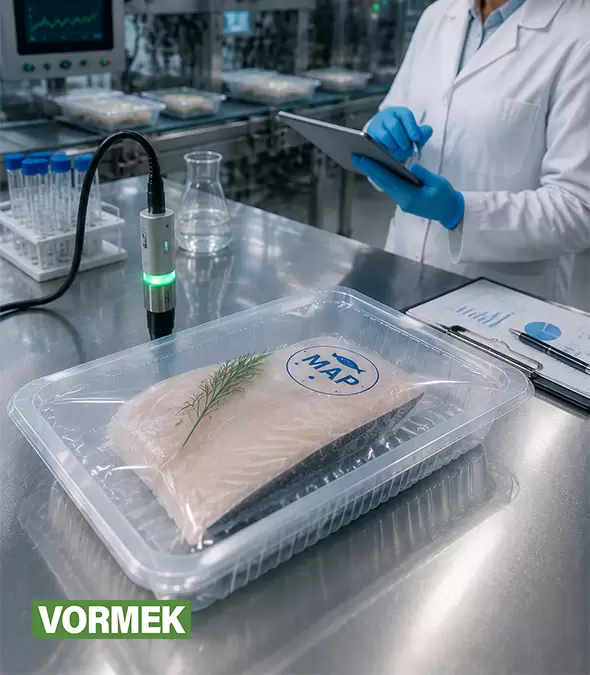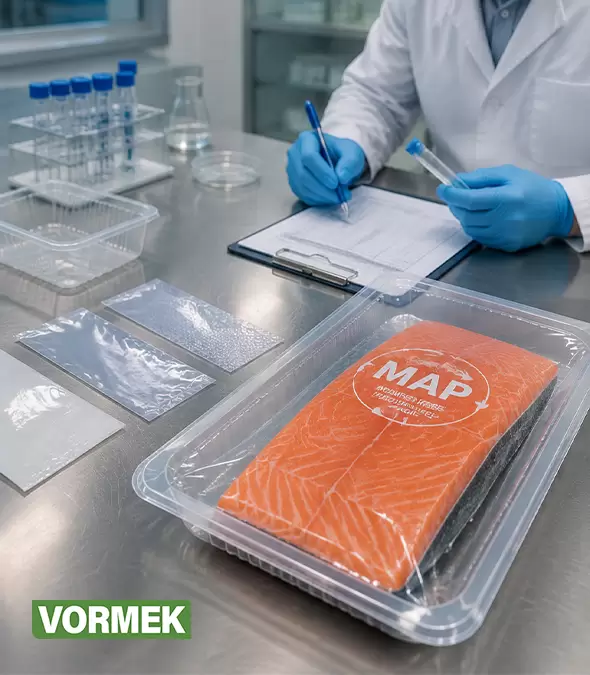
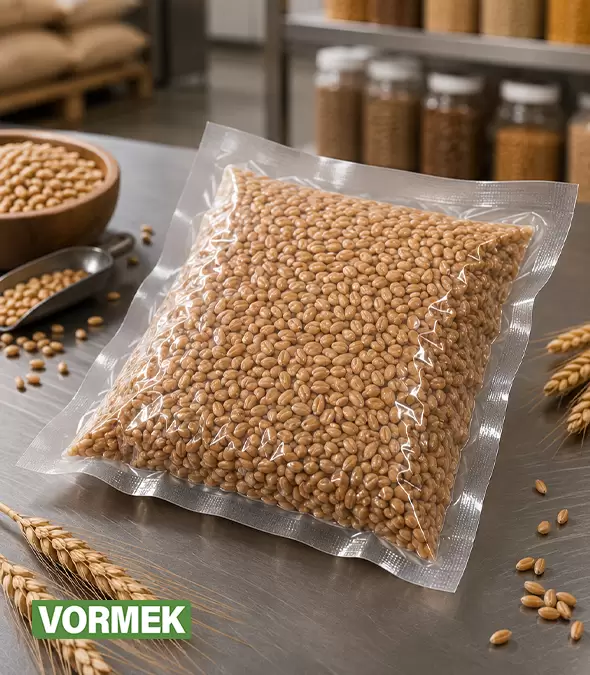
في صناعة الأغذية الحديثة، تعد التعبئة والتغليف أكثر من مجرد خطوة إنتاجية نهائية—إنها عملية حاسمة تحمي جودة المنتج، وتضمن سلامة الأغذية، وتطيل العمر الافتراضي، وتعزز سمعة العلامة التجارية. مع ارتفاع توقعات المستهلكين وزيادة صرامة لوائح سلامة الأغذية، يحتاج المصنّعون إلى تقنيات تعبئة توفر أداءً ثابتاً مع دعم الكفاءة التشغيلية.
أصبحت آلة التعبئة والتغليف بالتفريغ الهوائي واحدة من أكثر الحلول فعالية للحفاظ على المنتجات الغذائية طوال التخزين والنقل وتوزيع التجزئة. من خلال إزالة الأكسجين قبل غلق العبوة، تعمل التعبئة بالتفريغ الهوائي على إبطاء الأكسدة بشكل كبير، وتمنع نمو الكائنات الحية الدقيقة الهوائية، وتقلل من فقدان الرطوبة، وتساعد في الحفاظ على الطعم الأصلي والملمس والمظهر للمنتجات الغذائية.
تُستخدم التعبئة الصناعية بالتفريغ الهوائي الآن على نطاق واسع في تجهيز اللحوم والدواجن والمأكولات البحرية والألبان والمخبوزات والقهوة والوجبات الجاهزة والأطعمة المجمدة وأغذية الحيوانات الأليفة والعديد من القطاعات الغذائية الأخرى. إلى جانب إطالة العمر الافتراضي، يستفيد المصنّعون أيضاً من تقليل هدر المنتج، وتحسين الخدمات اللوجستية، وخفض تكاليف التوزيع، وزيادة مرونة الإنتاج.
ومع ذلك، فإن اختيار آلة التعبئة والتغليف بالتفريغ الهوائي الصناعية المناسبة يتضمن أكثر من مجرد مقارنة أسعار الشراء. فسعة الإنتاج، وحجم الغرفة، وأداء المضخة، وتقنية الغلق، والتصميم الصحي، ومستوى الأتمتة، ومتطلبات الصيانة، واستهلاك الطاقة، وتكاليف التشغيل طويلة الأجل—كلها تؤثر على العائد الإجمالي على الاستثمار.
تقوم شركة فورميك بتطوير حلول تعبئة بالتفريغ الهوائي الصناعية مصممة خصيصاً لمصنّعي الأغذية المحترفين. سواء كنت تدير منشأة تجهيز نامية أو مصنع إنتاج عالي السعة، فإن أنظمتنا مصممة لتوفير أداء موثوق، وجودة تغليف متسقة، وتشغيل يعتمد عليه في ظل الظروف الصناعية الصعبة.
يشرح هذا الدليل كيفية عمل تقنية التعبئة بالتفريغ الهوائي، ويقارن بين المعدات شبه الأوتوماتيكية والأوتوماتيكية، ويقدم حلولنا الصناعية—بما في ذلك Praxpack Twinset—ويقدم إرشادات عملية لاختيار الآلة المثالية لمتطلبات الإنتاج الخاصة بك.
ما هي آلة التعبئة والتغليف بالتفريغ الهوائي وكيف تعمل؟
آلة التعبئة والتغليف بالتفريغ الهوائي هي معدات صناعية مصممة لإزالة الهواء من العبوة المرنة قبل إنشاء غلق محكم ودائم. إن غياب الأكسجين يبطئ بشكل كبير التفاعلات البيولوجية والكيميائية المسؤولة عن تلف الأغذية، مما يسمح للمصنّعين بالحفاظ على النضارة لفترات أطول بكثير.
على عكس معدات غلق الأكياس التقليدية، تتحكم آلات التعبئة بالتفريغ الهوائي بنشاط في الغلاف الجوي المحيط بالمنتج. تحمي هذه العملية الأغذية الحساسة من الأكسدة مع تحسين استقرار المنتج طوال سلسلة التوريد.
بالنسبة للعديد من مصنّعي الأغذية، أصبحت التعبئة بالتفريغ الهوائي تقنية أساسية لتقليل الهدر، وتحسين جودة المنتج، وتوسيع التوزيع إلى الأسواق الأكثر بعداً.
لماذا يعتبر الأكسجين أكبر عدو للغذاء؟
يتسارع معظم تلف الأغذية بفعل الأكسجين. يساهم التعرض للهواء في:
- أكسدة الدهون في اللحوم والمأكولات البحرية
- تدهور اللون
- فقدان النكهة والرائحة
- تطور العفن
- نمو البكتيريا الهوائية
- تبخر الرطوبة
- حرق التجميد أثناء التخزين المجمد
من خلال إزالة ما يصل إلى 99% من الهواء داخل العبوة، تساعد آلات التعبئة الصناعية بالتفريغ الهوائي في الحفاظ على سلامة المنتج وجودته الحسية دون تغيير المنتج نفسه.
كيف تعمل آلة التعبئة والتغليف بالتفريغ الهوائي؟
على الرغم من اختلاف تكوينات الآلة، فإن دورة التعبئة تتبع عموماً ست مراحل محكومة.
1. تحميل المنتج
يقوم المشغل—أو نظام التحميل الآلي—بوضع الكيس المملوء داخل غرفة التفريغ. يضمن الوضع المناسب بقاء منطقة الغلق نظيفة، مما يتيح غلقاً محكماً موثوقاً.
2. إغلاق الغرفة
يُغلق غطاء الغرفة يدوياً أو تلقائياً حسب طراز الآلة. بمجرد الإغلاق، تبدأ دورة التفريغ في ظل ظروف محكومة بدقة.
3. توليد التفريغ
تقوم مضخة تفريغ عالية الأداء بإزالة الهواء من كل من الغرفة والعبوة حتى يتم الوصول إلى مستوى التفريغ المبرمج.
تراقب الأنظمة الصناعية الضغط باستمرار لضمان جودة تغليف متسقة في كل دورة.
4. الغلق الحراري
بمجرد تحقيق مستوى التفريغ المستهدف، تقوم قضبان الغلق المسخنة بإنشاء غلق دائم. يتم التحكم في معلمات مثل درجة حرارة الغلق والضغط ومدة التثبيت بدقة بواسطة PLC الآلة لضمان نتائج قابلة للتكرار.
5. معادلة الضغط
بعد الغلق، تعود الغرفة تدريجياً إلى الضغط الجوي بينما تبقى العبوة مغلقة. يؤدي هذا إلى التصاق فيلم التغليف بإحكام بالمنتج.
6. تفريغ المنتج
تُفتح الغرفة، مما يسمح بإزالة العبوة النهائية بينما تبدأ دورة الإنتاج التالية. في الأنظمة ثنائية الغرفة، يمكن تحميل إحدى الغرفتين بينما تعمل الأخرى، مما يعظم الإنتاجية.
المكونات الرئيسية لآلة التعبئة والتغليف بالتفريغ الهوائي الصناعية
يساعد فهم بنية الآلة المصنّعين على مقارنة المعدات بناءً على جودة الهندسة وليس السعر فقط.
| المكوّن | الوظيفة الأساسية |
|---|---|
| مضخة التفريغ | إزالة الهواء من الغرفة والعبوة |
| غرفة التفريغ | توفير بيئة تفريغ محكومة |
| قضبان الغلق | إنتاج أغلفة محكمة وقوية |
| نظام التحكم PLC | إدارة جميع معلمات التعبئة |
| شاشة اللمس HMI | تمكين الاختيار السريع للوصفات وضبط الآلة |
| مستشعرات التفريغ | مراقبة ضغط الغرفة بدقة عالية |
| هيكل من الفولاذ المقاوم للصدأ | ضمان النظافة والمتانة ومقاومة التآكل |
| نظام التبريد | تثبيت جودة الغلق أثناء التشغيل المستمر |
يجب أن تكون معدات الأغذية الصناعية مصنوعة من الفولاذ المقاوم للصدأ AISI 304 (أو AISI 316 عند الحاجة) للامتثال لمعايير النظافة الغذائية مع تبسيط التنظيف والصيانة.
الفوائد الرئيسية لآلات التعبئة والتغليف بالتفريغ الهوائي الصناعية
يستثمر مصنّعو الأغذية في التعبئة بالتفريغ الهوائي لأنها تقدم مزايا تشغيلية وتجارية قابلة للقياس.
عمر افتراضي أطول
يؤدي تقليل الأكسجين إلى إبطاء التلف بشكل كبير، مما يسمح للمنتجات بالبقاء طازجة لفترة أطول بكثير في ظل ظروف التبريد أو التجميد.
سلامة غذائية محسنة
تثبط مستويات الأكسجين المنخفضة نمو الكائنات الحية الدقيقة الهوائية مع تقليل خطر التلوث الخارجي أثناء التخزين والنقل.
تقليل هدر المنتج
يقلل العمر الافتراضي الممتد من التلف، ومرتجعات العملاء، وفقدان المخزون طوال سلسلة التوريد.
عرض أفضل للمنتج
تخلق التعبئة بالتفريغ الهوائي عبوات مدمجة وذات مظهر احترافي تحسن جاذبية رفوف البيع بالتجزئة وتحمي سلامة المنتج.
تكاليف لوجستية أقل
يقلل إزالة الهواء الزائد من حجم العبوة، مما يتيح نقلاً أكثر كفاءة واستخداماً أفضل للتخزين البارد.
كفاءة إنتاجية أعلى
تقلل جودة التغليف المتسقة من إعادة العمل، وفشل التعبئة، وانقطاعات الإنتاج، مما يحسن الإنتاجية الصناعية الإجمالية.
تحسينات نموذجية في العمر الافتراضي
| المنتج | التغليف التقليدي | التغليف بالتفريغ الهوائي |
|---|---|---|
| لحم البقر الطازج | 5–7 أيام | 20–35 يوماً |
| الدواجن | 4–6 أيام | 15–25 يوماً |
| المأكولات البحرية | 2–4 أيام | 10–20 يوماً |
| الجبن | 15–20 يوماً | 60–120 يوماً |
| اللحوم المصنعة | 20–30 يوماً | 90–120 يوماً |
| حبوب القهوة | عدة أسابيع | عدة أشهر |
تعتمد النتائج الفعلية على تركيبة المنتج، ودرجة حرارة التخزين، وممارسات النظافة، ومواد التغليف، والتحكم في العملية.
لماذا يختار مصنّعو الأغذية شركة فورميك
تصمم فورميك حلول التعبئة بالتفريغ الهوائي الصناعية خصيصاً لمنشآت تجهيز الأغذية الاحترافية حيث تكون الموثوقية والنظافة والإنتاجية ضرورية.
تركز فلسفتنا الهندسية على:
- أداء تفريغ ثابت
- جودة غلق موثوقة
- بناء صحي للآلة
- متطلبات صيانة منخفضة
- تشغيل موفر للطاقة
- عمر طويل للمعدات
- حلول قابلة للتطوير للتوسع المستقبلي
- دعم فني شامل
بالنسبة للمصنّعين الذين يبحثون عن حل مثبت ثنائي الغرفة، يقدم Praxpack Twinset توازناً ممتازاً بين الإنتاجية، والموثوقية التشغيلية، وقيمة الاستثمار، مما يجعله خياراً ممتازاً للإنتاج الغذائي متوسط الحجم والكبير.
آلات التعبئة بالتفريغ الهوائي شبه الأوتوماتيكية مقابل الأوتوماتيكية: أي نظام يناسب إنتاجك؟
يعد الاختيار بين آلة التعبئة بالتفريغ الهوائي شبه الأوتوماتيكية والأوتوماتيكية أحد أهم القرارات لأي مصنّع أغذية. على الرغم من أن كلتا التقنيتين تستخدمان نفس مبدأ الغلق بالتفريغ، إلا أنهما تختلفان بشكل كبير في سعة الإنتاج، ومتطلبات العمالة، ومستوى الأتمتة، وتكاليف التشغيل، والعائد على الاستثمار طويل الأجل.
يجب أن يعتمد الاختيار الصحيح على أهداف الإنتاج الخاصة بك—وليس فقط على سعر شراء الآلة.
متى تكون آلة التعبئة بالتفريغ الهوائي شبه الأوتوماتيكية هي الاختيار الصحيح؟
تجمع آلة التعبئة بالتفريغ الهوائي شبه الأوتوماتيكية بين تحميل المنتج يدوياً ودورة تفريغ وغلق أوتوماتيكية. يضع المشغل الكيس داخل الغرفة، ويبدأ الدورة، ويزيل العبوة النهائية بعد الغلق.
هذا النوع من المعدات مثالي للمصنّعين الذين يحتاجون إلى مرونة دون الاستثمار في خط إنتاج أوتوماتيكي بالكامل.
تشمل التطبيقات النموذجية:
- معالجات اللحوم الطازجة
- منتجي الدواجن
- شركات المأكولات البحرية
- مصنّعي الجبن
- محامص القهوة
- معبئي المكسرات والفواكه المجففة
- منتجي الأغذية المجمدة
- مصنّعي الأغذية المتخصصة
نظراً لأن تبديل المنتج سريع، فإن الآلات شبه الأوتوماتيكية مناسبة بشكل خاص للمنشآت التي تنتج وحدات SKU متعددة.
مزايا آلات التعبئة بالتفريغ الهوائي شبه الأوتوماتيكية
استثمار أولي أقل
تقدم المعدات شبه الأوتوماتيكية أداء تعبئة صناعياً بتكلفة رأسمالية أقل، مما يجعلها نقطة دخول ممتازة لمصنّعي الأغذية الناميين.
مرونة أكبر في المنتج
يتطلب تغيير أحجام الأكياس أو أبعاد المنتج عموماً تعديلات بسيطة، مما يسمح للمصنّعين بتعبئة مجموعة واسعة من المنتجات على آلة واحدة.
تشغيل سهل
تتميز الأنظمة الحديثة التي يتم التحكم فيها بواسطة PLC بشاشات HMI بديهية، مما يمكن المشغلين من ضبط مستوى التفريغ ودرجة حرارة الغلق ووقت الدورة بأقل تدريب.
بصمة مدمجة
تشغل هذه الآلات مساحة أرضية صغيرة نسبياً ويمكن دمجها في مناطق الإنتاج الحالية دون تعديلات كبيرة في المصنع.
صيانة بسيطة
مع عدد أقل من المكونات الميكانيكية مقارنة بالأنظمة الأوتوماتيكية بالكامل، تكون الصيانة الروتينية مباشرة ويقل وقت التوقف.
قيود الآلات شبه الأوتوماتيكية
على الرغم من تنوعها، فإن للأنظمة شبه الأوتوماتيكية قيود عملية.
- متطلبات عمالة أعلى
- إنتاجية ساعية أقل
- اعتماد أكبر على كفاءة المشغل
- ملاءمة أقل للإنتاج المستمر عالي الحجم
مع نمو الإنتاج، قد تزيد هذه القيود من تكاليف التشغيل وتخلق اختناقات.
ما هي آلة التعبئة بالتفريغ الهوائي الأوتوماتيكية؟
تقوم آلة التعبئة بالتفريغ الهوائي الأوتوماتيكية بمعظم عمليات التعبئة بأقل تدخل من المشغل.
اعتماداً على خط الإنتاج، قد تشمل الأنظمة الأوتوماتيكية:
- تغذية تلقائية للمنتج
- تكامل مع الناقل
- تحميل روبوتي
- تشغيل تلقائي للغرفة
- دورات تفريغ مستمرة
- تفريغ تلقائي للعبوة
- فحص جودة في الخط
- تكامل وضع الملصقات
- أتمتة نهاية الخط
تم تصميم هذه الأنظمة للمصنّعين الذين يديرون ورديات متعددة أو يعالجون آلاف العبوات كل يوم.
فوائد آلات التعبئة بالتفريغ الهوائي الأوتوماتيكية
أقصى إنتاجية
تقلل الأتمتة من وقت التوقف بين الدورات، مما يزيد بشكل كبير من الإنتاجية الساعية.
بالنسبة للعديد من معالجات الأغذية، توفر الأتمتة إنتاجية أعلى بكثير من سير العمل اليدوي مع الحفاظ على جودة تغليف متسقة.
نتائج تغليف متسقة
تتم معالجة كل عبوة باستخدام إعدادات متطابقة، بما في ذلك:
- مستوى التفريغ
- درجة حرارة الغلق
- ضغط الغلق
- وقت الغلق
- مدة التبريد
يقلل هذا الاتساق من عيوب التغليف ويحسن جودة المنتج.
تكاليف عمالة مخفضة
يمكن لمشغل واحد الإشراف على خط تعبئة آلي كان يتطلب عدة موظفين، مما يساعد المصنّعين على معالجة نقص العمالة مع تقليل نفقات التشغيل.
تكامل سلس مع خط الإنتاج
يمكن للأنظمة الأوتوماتيكية الاتصال مباشرة مع:
- معدات التقطيع
- أنظمة التعبئة
- أجهزة كشف المعادن
- موازين الفحص
- أنظمة الفحص البصري
- طابعات الملصقات
- آلات التعبئة في الصناديق
- أنظمة التحميل الروبوتية
يحسن الإنتاج المتكامل إمكانية التتبع مع تقليل المناولة اليدوية.
سلامة غذائية محسنة
يقلل تقليل التلامس اليدوي من خطر التلوث ويدعم الامتثال لـ HACCP ومعايير سلامة الأغذية الدولية.
اعتبارات قبل الاستثمار في نظام أوتوماتيكي
في حين توفر المعدات الأوتوماتيكية إنتاجية استثنائية، يجب على المصنّعين أيضاً تقييم:
- استثمار أولي أعلى
- بصمة تركيب أكبر
- متطلبات صيانة أكثر تعقيداً
- استهلاك أكبر للمرافق
- وقت تنفيذ وتشغيل أطول
بالنسبة للمنشآت ذات أحجام الإنتاج المنخفضة نسبياً، قد تؤخر هذه التكاليف الإضافية العائد على الاستثمار.
آلات التعبئة بالتفريغ الهوائي شبه الأوتوماتيكية مقابل الأوتوماتيكية
| الميزة | شبه أوتوماتيكية | أوتوماتيكية |
|---|---|---|
| سعة الإنتاج | متوسطة | عالية جداً |
| الاستثمار الأولي | أقل | أعلى |
| متطلبات العمالة | متوسطة | منخفضة |
| مرونة الإنتاج | ممتازة | عالية |
| تبديل المنتج | سريع | سريع |
| المساحة الأرضية | مدمجة | أكبر |
| مستوى الأتمتة | جزئي | كامل |
| تكامل الخط | محدود | ممتاز |
| تعقيد الصيانة | منخفض | متوسط |
| أفضل تطبيق | المعالجات الصغيرة والمتوسطة | المنشآت الصناعية الكبيرة |
دليل القرار: أي آلة يجب أن تختار؟
حجم الإنتاج اليومي
          │
          ▼
حتى 2000 عبوة/يوم
          │
          ▼
آلة تعبئة بالتفريغ الهوائي شبه أوتوماتيكية

──────────────────────────────────

2000–8000 عبوة/يوم
          │
          ▼
تقييم:
• توفر العمالة
• تنوع المنتجات
• خطط النمو
• تشغيل الورديات

──────────────────────────────────

أكثر من 8000 عبوة/يوم
          │
          ▼
آلة تعبئة بالتفريغ الهوائي أوتوماتيكية
سبعة عوامل يجب مراعاتها قبل شراء آلة تعبئة بالتفريغ الهوائي
1. سعة الإنتاج اليومية
اختر دائماً المعدات بناءً على الإنتاج المتوقع خلال السنوات الخمس إلى العشر القادمة—وليس فقط على الطلب الحالي.
2. أبعاد المنتج
تأكد من أن الغرفة تستوعب أكبر منتجاتك مع الحفاظ على أوقات دورة فعالة للعبوات الأصغر.
3. توافق مواد التغليف
يجب أن تدعم المعدات الصناعية مجموعة واسعة من مواد التغليف عالية الحاجز، بما في ذلك:
- أكياس التفريغ PA/PE
- الأفلام متعددة الطبقات عالية الحاجز
- أكياس الطهي
- أكياس المعالجة الحرارية
- هياكل عالية الحاجز قابلة لإعادة التدوير
4. سعة مضخة التفريغ
تقلل مضخة التفريغ ذات السعة الأعلى من وقت الإخلاء وتحسن الإنتاجية أثناء التشغيل المستمر.
يؤثر أداء المضخة بشكل مباشر على وقت الدورة، واتساق العبوة، وكفاءة الإنتاج الإجمالية.
5. التصميم الصحي للآلة
ابحث عن معدات تتميز بـ:
- بناء من الفولاذ المقاوم للصدأ AISI 304
- لحامات ناعمة
- زوايا دائرية
- تصميم مناسب للغسيل
- سهولة تنظيف الغرفة
- وصول للصيانة بدون أدوات
تعمل هذه الميزات على تبسيط التعقيم مع دعم الامتثال لسلامة الأغذية.
6. كفاءة الطاقة
تقلل آلات التعبئة بالتفريغ الهوائي الحديثة من تكاليف التشغيل من خلال تقنية المضخة الفعالة، وأنظمة الغلق المحسّنة، والإدارة الذكية للطاقة.
7. الدعم الفني وقطع الغيار
خدمة ما بعد البيع الموثوقة لا تقل أهمية عن أداء الآلة.
قيم الموردين بناءً على:
- توفر قطع الغيار
- وقت استجابة الدعم الفني
- برامج الصيانة الوقائية
- تدريب المشغلين
- التشخيص عن بعد
- تغطية الضمان
بالنسبة للعديد من المصنّعين، فإن الخدمة الموثوقة لها تأثير أكبر على الإنتاجية طويلة الأجل من انخفاض سعر الشراء.
لماذا يعتبر Praxpack Twinset استثماراً ذكياً
بالنسبة للمعالجات التي تسعى إلى تحقيق توازن بين القدرة على تحمل التكاليف والأداء الصناعي، فإن Praxpack Twinset هو واحد من أكثر حلول غرف التفريغ قدرة من فورميك.
يسمح تكوينه ثنائي الغرفة للمشغلين بتحميل إحدى الغرفتين بينما تكمل الأخرى دورة التفريغ، مما يقلل بشكل كبير من وقت التوقف ويحسن كفاءة الإنتاج.
تشمل المزايا الرئيسية:
- تشغيل مستمر ثنائي الغرفة
- بناء من الفولاذ المقاوم للصدأ AISI 304 الثقيل
- خيارات مضخة تفريغ عالية الأداء
- معلمات تشغيل يتم التحكم فيها بواسطة PLC
- تقنية الغلق المزدوج لأقصى سلامة للعبوة
- سهولة الصيانة والتنظيف
- موثوقية مثبتة في بيئات تصنيع الأغذية الصعبة
بالنسبة للشركات النامية التي تحتاج إلى إنتاجية أكبر دون الاستثمار في خط أوتوماتيكي بالكامل، يقدم Praxpack Twinset مزيجاً ممتازاً من الأداء والمرونة والقيمة طويلة الأجل.
قارن بين موديلات آلات التعبئة بالتفريغ الهوائي لدينا
اختيار آلة التعبئة بالتفريغ الهوائي المناسبة يتعلق بمطابقة متطلبات الإنتاج مع قدرات الآلة. بدلاً من اختيار المعدات بناءً على سعر الشراء فقط، يجب على المصنّعين مقارنة الإنتاجية، وحجم الغرفة، وأداء التفريغ، وجودة الغلق، والتصميم الصحي، ومتطلبات الصيانة، وقابلية التوسع المستقبلية.
في فورميك، كل آلة مصممة لتقديم أداء موثوق، وجودة تغليف متسقة، وعمر خدمة طويل في بيئات تصنيع الأغذية الصعبة.
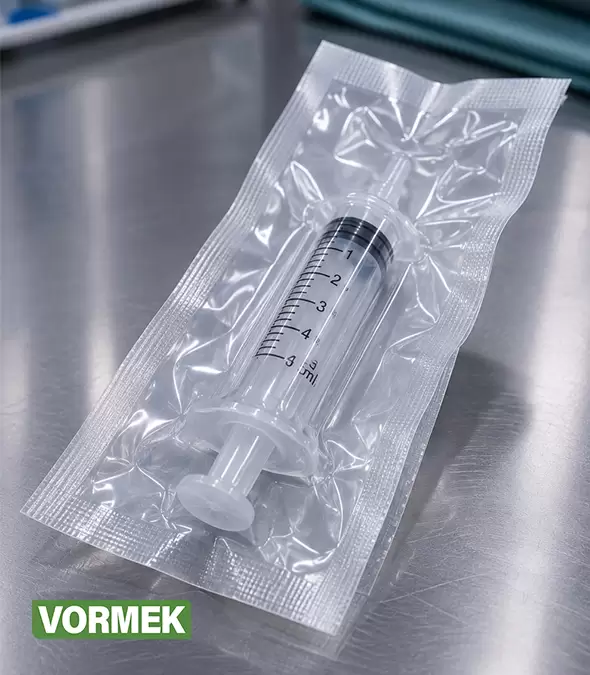
ما هي آلة التعبئة بالتفريغ الهوائي المناسبة لعملك؟
توفر المقارنة التالية نقطة انطلاق عملية لاختيار النظام الأكثر ملاءمة.
| عامل الاختيار | إنتاج المستوى الابتدائي | إنتاج نامٍ | إنتاج عالي الحجم |
|---|---|---|---|
| الإنتاج اليومي | حتى 2000 عبوة | 2000–8000 عبوة | 8000+ عبوة |
| الحل الموصى به | آلة غرفة مدمجة | Praxpack Twinset | خط تفريغ أوتوماتيكي بالكامل |
| المشغلون المطلوبون | 1–2 | 1 | حد أدنى |
| استمرارية الإنتاج | متوسطة | عالية | قصوى |
| المرونة | ممتازة | ممتازة | عالية |
| التوسع المستقبلي | معتدل | ممتاز | ممتاز |
بالنسبة للعديد من مصنّعي الأغذية، يمثل Praxpack Twinset التوازن المثالي بين القدرة على تحمل التكاليف والإنتاجية الصناعية، حيث يقدم تشغيلاً مستمراً دون الاستثمار المطلوب لخط تعبئة أوتوماتيكي بالكامل.
لماذا يتميز Praxpack Twinset
تم تطوير Praxpack Twinset لمعالجات الأغذية الذين يحتاجون إلى تعبئة موثوقة بالتفريغ الهوائي طوال ورديات الإنتاج الممتدة.
يتيح تكوينه ثنائي الغرفة تحميل إحدى الغرفتين بينما تكمل الغرفة الثانية دورة التفريغ. يقلل هذا التشغيل المتداخل من وقت التوقف ويحسن الإنتاجية الساعية بشكل كبير.
الميزات الرئيسية
- تشغيل مستمر ثنائي الغرفة
- بناء صناعي من الفولاذ المقاوم للصدأ AISI 304
- خيارات مضخة تفريغ عالية السعة
- معلمات تفريغ وغلق يتم التحكم فيها بواسطة PLC
- شاشة لمس HMI سهلة الاستخدام
- تقنية الغلق المزدوج لأقصى أمان للعبوة
- وصول سريع للتنظيف والصيانة
- أداء موثوق في الإنتاج متعدد الورديات
على عكس الأنظمة التقليدية أحادية الغرفة، صمم Praxpack Twinset لزيادة الإنتاجية إلى أقصى حد مع الحفاظ على جودة تغليف متسقة في كل دورة إنتاج.
مواصفات فنية للمقارنة قبل الشراء
بغض النظر عن الشركة المصنعة، يجب تقييم كل آلة تعبئة بالتفريغ الهوائي صناعية باستخدام معايير هندسية موضوعية بدلاً من الادعاءات التسويقية.
| المواصفة | لماذا هي مهمة |
|---|---|
| حجم الغرفة | يحدد أقصى أبعاد للعبوة |
| سعة مضخة التفريغ | تؤثر على سرعة الدورة والإنتاجية |
| عرض الغلق | يحسن سلامة العبوة |
| نظام التحكم | يضمن جودة تغليف قابلة للتكرار |
| مادة البناء | تدعم النظافة ومتانة المعدات |
| استهلاك الكهرباء | يؤثر على تكاليف التشغيل طويلة الأجل |
| سهولة الوصول للصيانة | يقلل من وقت التوقف |
| توفر قطع الغيار | يدعم الإنتاج المستمر |
تسمح مقارنة هذه المواصفات للمصنّعين بتحديد الحل الذي يقدم أفضل قيمة طويلة الأجل بدلاً من مجرد أقل سعر شراء.
القطاعات التي نخدمها
أصبحت التعبئة بالتفريغ الهوائي تقنية أساسية في كل قطاع من قطاعات صناعة الأغذية تقريباً. على الرغم من أن مبدأ التعبئة يظل كما هو، فإن كل فئة منتج تتطلب إعدادات عملية محددة، ومواد تغليف، وسعات إنتاجية.
تجهيز اللحوم
اللحوم الطازجة شديدة التأثر بالأكسدة والنمو الميكروبي. تحمي التعبئة بالتفريغ الهوائي جودة المنتج عن طريق تقليل التعرض للأكسجين مع الحفاظ على النضارة طوال التوزيع المبرد.
تشمل الفوائد النموذجية:
- عمر افتراضي أطول في التبريد
- فقدان أقل للسوائل
- تحسين مظهر المنتج
- هدر أقل أثناء النقل
- إدارة أفضل للمخزون
تجهيز الدواجن
تساعد التعبئة بالتفريغ الهوائي معالجات الدواجن في تقديم منتجات ذات نضارة أكبر مع الحماية من التلوث طوال سلسلة التبريد.
تشمل المزايا:
- سلامة موثوقة للعبوة
- تقليل حرق التجميد
- احتفاظ أفضل بالرطوبة
- تحسين أداء العمر الافتراضي
تجهيز المأكولات البحرية
تتطلب المأكولات البحرية أحد أعلى مستويات الحماية في التغليف بسبب طبيعتها الحساسة.
تساعد التعبئة الصناعية بالتفريغ الهوائي في الحفاظ على:
- النكهة الطازجة
- ملمس المنتج
- محتوى الرطوبة
- المظهر البصري
- وزن المنتج
يسمح ذلك لمصنّعي المأكولات البحرية بتوزيع المنتجات لمسافات أطول دون المساس بالجودة.
صناعة الألبان والجبن
تستفيد منتجات الجبن والألبان بشكل كبير من إزالة الأكسجين.
تقلل التعبئة بالتفريغ الهوائي من تطور العفن مع الحفاظ على الرطوبة وإطالة العمر الافتراضي المبرد.
تشمل التطبيقات النموذجية:
- الجبن الصلب
- الجبن الطري
- الزبدة
- منتجات الألبان المصنعة
الوجبات الجاهزة
تتطلب الأطعمة المحضرة تغليفاً قادراً على حماية الجودة طوال التخزين المبرد والتوزيع.
توفر التعبئة بالتفريغ الهوائي:
- عمر افتراضي محسن
- عرض أفضل للمنتج
- هدر غذائي مخفض
- خدمات لوجستية فعالة
- جودة تغليف متسقة
منتجات المخابز
تعتمد المخابز الصناعية بشكل متزايد على التعبئة بالتفريغ الهوائي لمنتجات مثل:
- التورتيلا
- الخبز المسطح
- الخبز المتخصص
- المعجنات
- المخبوزات الفاخرة
تساعد التقنية في الحفاظ على النضارة مع تقليل الاعتماد على المواد الحافظة الاصطناعية.
القهوة والمكسرات والأطعمة الجافة
تستفيد المنتجات الحساسة للأكسجين بشكل كبير من التعبئة بالتفريغ الهوائي.
تشمل التطبيقات الشائعة:
- حبوب القهوة
- القهوة المطحونة
- الشاي
- المكسرات
- البذور
- الفواكه المجففة
- التوابل
تحافظ التعبئة بالتفريغ الهوائي على الرائحة والنكهة والنضارة طوال التخزين والنقل.
التكلفة الإجمالية للملكية مقابل سعر الشراء
من أكثر أخطاء الشراء شيوعاً اختيار آلة بناءً على سعرها الأولي فقط.
يقيم مصنّعو الأغذية المحترفون التكلفة الإجمالية للملكية (TCO)، والتي تشمل:
- استهلاك الطاقة
- تكاليف العمالة
- موثوقية المعدات
- الصيانة الوقائية
- توفر قطع الغيار
- خطر التوقف
- معدل رفض العبوة
- كفاءة الإنتاج
- العمر المتوقع للآلة
قد تحقق آلة ذات سعر شراء أعلى وفورات أكبر على المدى الطويل من خلال انخفاض تكاليف التشغيل وارتفاع الإنتاجية.
سير عمل التعبئة بالتفريغ الهوائي النموذجي
المنتج الخام
      │
      ▼
التحضير والتقطيع
      │
      ▼
ملء الكيس
      │
      ▼
آلة التعبئة بالتفريغ الهوائي
      │
      ▼
التفريغ والغلق الحراري
      │
      ▼
فحص الجودة
      │
      ▼
وضع الملصقات
      │
      ▼
تعبئة الصناديق
      │
      ▼
التخزين البارد / التوزيع
لماذا تختار فورميك؟
يختار مصنّعو الأغذية فورميك لأن حلولنا مصممة حول الأداء التشغيلي طويل الأجل بدلاً من التوفير قصير الأجل.
تشمل أولوياتنا الهندسية:
- موثوقية على المستوى الصناعي
- بناء صحي للآلة
- أداء تفريغ ثابت
- تقنية غلق دقيقة
- تشغيل موفر للطاقة
- سهولة الصيانة
- عمر طويل للمعدات
- دعم فني سريع
- قطع غيار متاحة بسهولة
- حلول قابلة للتطوير للتوسع المستقبلي
سواء كنت بحاجة إلى آلة غرفة مدمجة أو Praxpack Twinset عالي الأداء، توفر فورميك حلول تغليف تساعد في تحسين الإنتاجية، وحماية جودة الغذاء، وتقليل تكاليف التشغيل الإجمالية.
الأسئلة الشائعة حول آلات التعبئة والتغليف بالتفريغ الهوائي
ما هو الغرض الأساسي من آلة التعبئة بالتفريغ الهوائي؟
تقوم آلة التعبئة بالتفريغ الهوائي بإزالة الهواء من العبوة قبل غلقها، مما يخلق بيئة منخفضة الأكسجين تبطئ الأكسدة، وتمنع نمو البكتيريا الهوائية، وتحافظ على جودة الغذاء. والنتيجة هي عمر افتراضي أطول، وهدر أقل، وعرض أفضل للمنتج.
ما هي المنتجات الغذائية المناسبة للتعبئة بالتفريغ الهوائي؟
تُستخدم آلات التعبئة بالتفريغ الهوائي الصناعية على نطاق واسع لـ:
- لحم البقر والضأن الطازج
- الدواجن
- المأكولات البحرية
- الجبن ومنتجات الألبان
- اللحوم المصنعة
- الوجبات الجاهزة
- الأطعمة المجمدة
- القهوة
- المكسرات والفواكه المجففة
- منتجات المخابز
- أغذية الحيوانات الأليفة
- المعكرونة الطازجة
- الأطعمة المتخصصة والفاخرة
تعتمد الآلة المثالية على أبعاد المنتج، ومواد التغليف، وحجم الإنتاج، والعمر الافتراضي المطلوب.
ما الفرق بين آلة التعبئة بالتفريغ الهوائي وآلة غلق الأطباق؟
على الرغم من أن كلتا التقنيتين تطيلان العمر الافتراضي للمنتج، إلا أنهما تخدمتان أشكال تغليف مختلفة.
تقوم آلة التعبئة بالتفريغ الهوائي بإزالة الهواء من الأكياس المرنة قبل غلقها، مما يجعلها مثالية للمنتجات المعبأة في أكياس التفريغ.
تقوم آلة غلق الأطباق بتغليف المنتجات داخل أطباق صلبة باستخدام فيلم غطاء. اعتماداً على التطبيق، يمكن لآلات غلق الأطباق إجراء الغلق البسيط، أو الغلق بالتفريغ، أو التغليف بالغلاف الجوي المعدل (MAP).
يجب على المصنّعين اختيار التقنية التي تناسب عرض المنتج، والخدمات اللوجستية، ومتطلبات البيع بالتجزئة.
كيف أختار آلة التعبئة بالتفريغ الهوائي الصناعية المناسبة؟
يتطلب اختيار المعدات المناسبة تقييم عدة عوامل فنية، بما في ذلك:
- سعة الإنتاج اليومية
- أبعاد المنتج
- حجم الغرفة
- أداء مضخة التفريغ
- توافق مواد التغليف
- مستوى الأتمتة
- المساحة المتاحة في المصنع
- نمو الإنتاج المستقبلي
- متطلبات النظافة
- خدمة ما بعد البيع
تعتمد الاستثمارات الأكثر نجاحاً على احتياجات الإنتاج طويلة الأجل بدلاً من أقل سعر شراء.
لماذا يعتبر حجم الغرفة مهماً؟
تحدد الغرفة الحد الأقصى لأبعاد المنتج والكيس التي يمكن تغليفها. يؤدي اختيار حجم الغرفة الصحيح إلى تحسين الإنتاجية، وتقليل وقت الدورة غير الضروري، وتوفير مرونة أكبر لتطوير المنتجات مستقبلاً.
كم مرة يجب صيانة آلة التعبئة بالتفريغ الهوائي؟
يجب إجراء الصيانة الوقائية وفقاً لتوصيات الشركة المصنعة.
تشمل الصيانة النموذجية:
- تنظيف الغرفة ومنطقة الغلق
- فحص قضبان الغلق
- استبدال سلك الغلق وشريط التيفلون عند الحاجة
- فحص زيت ومرشحات مضخة التفريغ
- فحص المكونات الهوائية
- التحقق من أداء التفريغ
- معايرة المستشعرات عند الضرورة
تساعد الصيانة الروتينية في زيادة عمر الآلة إلى أقصى حد مع تقليل وقت التوقف غير المخطط له.
لماذا يوصى بـ Praxpack Twinset للمصنّعين الناميين؟
تم تصميم Praxpack Twinset لسد الفجوة بين آلات الغرفة المبتدئة وخطوط التعبئة بالتفريغ الأوتوماتيكية بالكامل.
يسمح تصميمه ثنائي الغرفة بالتشغيل المستمر عن طريق تمكين تحميل إحدى الغرفتين بينما تكمل الأخرى دورة التفريغ. يحسن هذا بشكل كبير الإنتاجية دون الحاجة إلى الاستثمار المرتبط بالنظام الأوتوماتيكي بالكامل.
الخاتمة
يعد الاستثمار في آلة التعبئة بالتفريغ الهوائي المناسبة قراراً استراتيجياً مهماً لكل مصنّع أغذية. إلى جانب حماية المنتجات أثناء التخزين والنقل، تعمل التعبئة الحديثة بالتفريغ الهوائي على تحسين كفاءة الإنتاج، ودعم الامتثال لسلامة الأغذية، وتقليل الهدر، وتعزيز الربحية الإجمالية.
بدلاً من التركيز فقط على تكلفة المعدات، يجب على المصنّعين تقييم سعة الإنتاج، ومستوى الأتمتة، والتصميم الصحي، ومتطلبات الصيانة، وكفاءة الطاقة، وقابلية التوسع المستقبلية. تحدد هذه العوامل القيمة الحقيقية طويلة الأجل لنظام التغليف.
بالنسبة للمعالجات الصغيرة والمتوسطة، توفر الآلات شبه الأوتوماتيكية حلاً اقتصادياً ومرناً بجودة تغليف احترافية. مع زيادة أحجام الإنتاج، تقدم الأنظمة ثنائية الغرفة مثل Praxpack Twinset تشغيلاً مستمراً وإنتاجية أعلى مع الحفاظ على مفهوم تشغيل بسيط نسبياً. يمكن للمصنّعين ذوي الحجم الكبير تعزيز الإنتاجية بشكل أكبر من خلال خطوط التعبئة بالتفريغ الأوتوماتيكية بالكامل المدمجة مع التعبئة، والفحص، ووضع الملصقات، وأتمتة نهاية الخط.
في فورميك، تم تصميم كل حل تعبئة بالتفريغ الهوائي مع مراعاة الموثوقية والنظافة والأداء التشغيلي. من البناء المتين وتقنية الغلق الدقيقة إلى الدعم الفني السريع وقطع الغيار المتاحة بسهولة، هدفنا هو مساعدة مصنّعي الأغذية على زيادة الكفاءة إلى أقصى حد مع حماية جودة المنتج طوال سلسلة التوريد.
سواء كان هدفك هو زيادة سعة الإنتاج، أو تقليل تكاليف التشغيل، أو تحسين اتساق التغليف، أو التوسع في أسواق جديدة، فإن الاستثمار في آلة تعبئة بالتفريغ الهوائي صناعية عالية الجودة هو قرار يحقق قيمة قابلة للقياس لسنوات قادمة.
لماذا تستثمر في آلة تعبئة بالتفريغ الهوائي من فورميك؟
| الهدف التجاري | ميزة فورميك |
|---|---|
| إطالة العمر الافتراضي | أداء تفريغ مستقر وقابل للتكرار |
| تحسين سلامة الأغذية | بناء صحي من الفولاذ المقاوم للصدأ AISI 304 |
| زيادة الإنتاجية | أوقات دورة سريعة وتصميم غرفة فعال |
| تقليل تكاليف العمالة | خيارات أتمتة لأحجام إنتاج مختلفة |
| خفض تكاليف التشغيل | هندسة موفرة للطاقة ومكونات موثوقة |
| حماية جودة المنتج | تقنية غلق مزدوج متسقة |
| دعم نمو الأعمال | حلول قابلة للتطوير من آلات الغرفة إلى الخطوط الأوتوماتيكية |
| تقليل وقت التوقف | دعم الصيانة الوقائية وتوفر قطع الغيار |
هل أنت مستعد للعثور على آلة التعبئة بالتفريغ الهوائي المناسبة؟
كل منشأة إنتاج لها متطلبات تغليف فريدة. يعمل فريقنا الهندسي عن كثب مع مصنّعي الأغذية للتوصية بالحل الأنسب بناءً على نوع المنتج، وحجم الإنتاج، وأهداف الأتمتة، وخطط التوسع المستقبلية.
سواء كنت تستبدل معدات موجودة أو تبني خط تغليف جديد، يمكن لفورميك مساعدتك في تحديد الحل المثالي—من أنظمة الغرفة المدمجة إلى Praxpack Twinset عالي الأداء وخطوط التعبئة الصناعية بالتفريغ المتكاملة بالكامل.
اتصل بفورميك اليوم لمقارنة مواصفات الآلات، ومناقشة متطلبات الإنتاج الخاصة بك، والحصول على إرشادات خبراء من متخصصي التغليف لدينا.